


Supreme Court Evaluates Boulder Lawsuit Against Oil Companies for Climate Change Damages
In the latest Supreme Court session, justices are deliberating a significant climate change case involving oil giants Exxon Mobil and Suncor Energy, initially brought by Boulder, Colorado.
Background of the Case
The Supreme Court began its new term by examining a pivotal lawsuit from Boulder, Colorado, which seeks damages from Exxon and Suncor for the city’s increasing costs tied to climate change. This case could influence over two dozen similar lawsuits filed by various cities and counties nationwide.
Arguments Presented
At the heart of Boulder’s lawsuit are allegations that the oil companies misled consumers regarding the environmental effects of greenhouse gases emitted by their products. The city’s officials contend that the ramifications of climate change, including heightened wildfire risks, are resulting in financial strain for local governance.
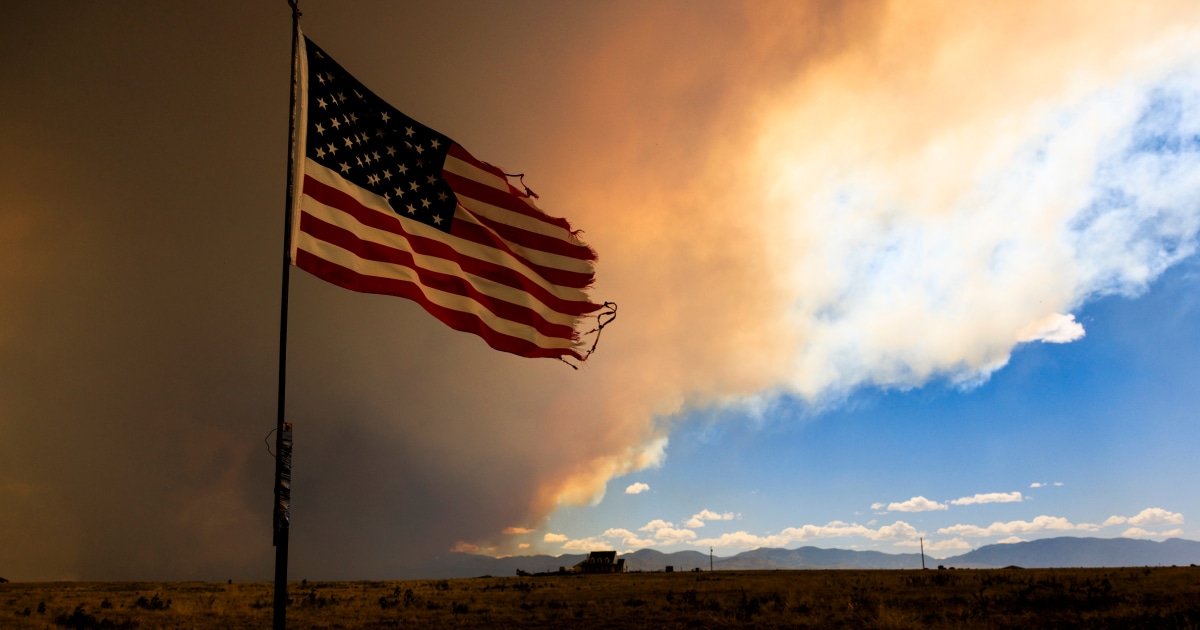
Boulder has grappled with extreme weather conditions, including severe heat, drought, and wildfires this past summer, prompting urgency in their legal action.
Oil Companies’ Defense
Both Exxon and Suncor dispute the claims, asserting that if allowed to proceed, the lawsuit could lead to overwhelming financial penalties totaling billions. They argue that climate change is fundamentally an issue that transcends state jurisdictions and should not be litigated in state courts.
Supreme Court Justices’ Concerns
The absence of Justice Samuel Alito during these proceedings raises the possibility of a tie ruling, which might leave crucial legal questions unanswered while enabling the Boulder lawsuit to continue.
Chief Justice John Roberts expressed concern regarding the potential for a surge in similar lawsuits from municipalities if this case is permitted to move forward. He inquired whether success for Boulder would trigger a wave of legal actions from other local governments.
Furthermore, while acknowledging the city’s claims of deceptive practices by the oil companies, Roberts suggested that the lawsuit may serve as a means to compel emission reductions rather than purely seeking consumer compensation.
Comparisons to Past Litigation
Justice Elena Kagan drew parallels between climate-change litigation and historical lawsuits against the tobacco industry and opioid manufacturers, both of which were accepted by courts. This comparison sparked a debate among the justices regarding the nature of consumer harm and the accountability of the oil companies.
The oil companies have countered these comparisons, arguing that the connections between their products and consumer harm are far less direct than in the cases involving tobacco and opioids.
