


The Evolutionary Roots of Contralateral Brain Wiring in Vertebrates
Introduction to Brain Wiring
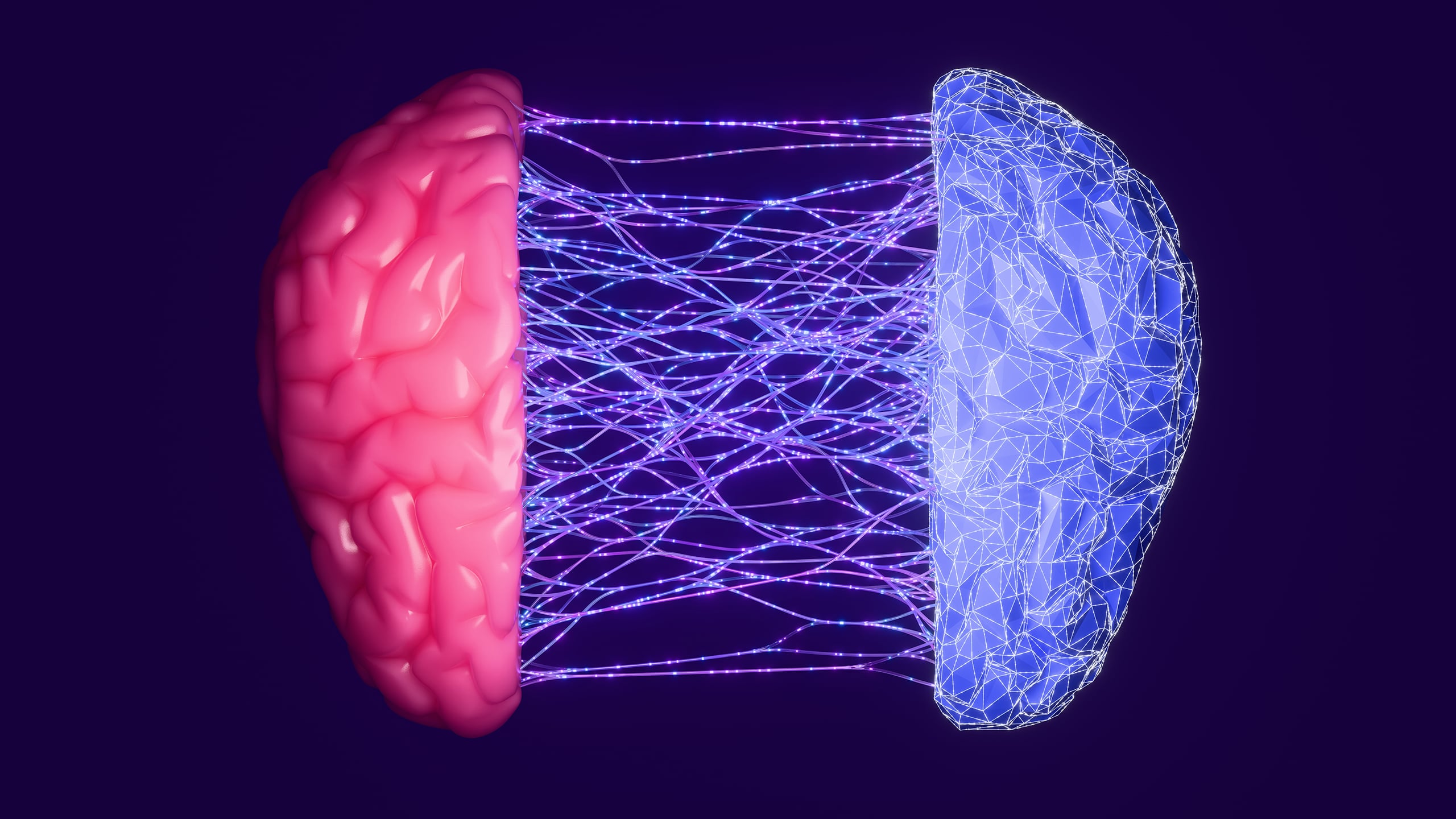
The human brain, along with the brains of many vertebrates, exhibits an intriguing characteristic known as contralateral wiring. This arrangement means that the left hemisphere of the brain controls the right side of the body and processes sensory inputs from the right side, while the right hemisphere does the same for the left. This distinctive cross-wiring has provoked numerous theories regarding its biological and evolutionary significance.
Insights from Recent Research
Neuroscientists Martin Wessendorf and Daniel Wang from the University of Minnesota have recently published a study in Frontiers in Neuroanatomy that offers a new perspective on the origins of this crossed wiring. Rather than conducting new experiments or examining fossils, the researchers synthesized existing studies across major vertebrate groups—from amphibians to mammals—to trace the evolutionary history of contralateral organization.
The Case for Vision as the Starting Point
The research indicates that the earliest evidence of contralateral wiring may have originated over 500 million years ago in jawless fish. These fish exhibited a natural flipping of incoming light, necessitating that the signals from each eye cross to the opposite side of a brain region known as the optic tectum (or the superior colliculus in mammals).
As vertebrates evolved and developed more complex sensory inputs, such as those related to touch and pain, they followed the established contralateral pattern initiated in the visual system.
Building on Established Structures
The study posits that when mammals emerged, they did not reinvent the wheel; rather, they harnessed the pre-existing contralateral framework. The researchers note, “By the time true mammals appeared about 165 million years ago, their contralaterally organized somatosensory, rubrospinal, and tectospinal systems had already existed for almost 200 million years.” This suggests a strong evolutionary preference for efficiency, adapting and refining previously established pathways rather than completely overhauling their neurological structure.
A Shift From Traditional Explanations
Past interpretations of contralateral wiring have focused on notions of efficiency or suggested physical twists in ancient ancestors’ bodies. Wessendorf and Wang’s findings expand the narrative by a comprehensive historical analysis of vertebrate evolution.
Future Directions for Research
While this new theory provides a compelling framework for understanding brain wiring, the journey is far from complete. Future investigations, particularly those analyzing ancient fossils—especially from the time of those 500-million-year-old fish—are essential for corroborating this theory. Additionally, studying the neural structures of less-mapped animals like crocodiles and birds could offer further insights into the evolutionary timeline of contralateral organization.
Conclusion
With a clearer understanding of the evolutionary significance of contralateral brain wiring, the groundwork is laid for more precise inquiries into vertebrates’ neurological systems. The research by Wessendorf and Wang suggests that as the neocortex evolved, the pre-existing contralaterally organized pathways became the most practical framework for integrating new functionalities.
Thus, it is predicted that throughout most vertebrate brains, this contralateral wiring design will prove more effective than alternative arrangements.
