


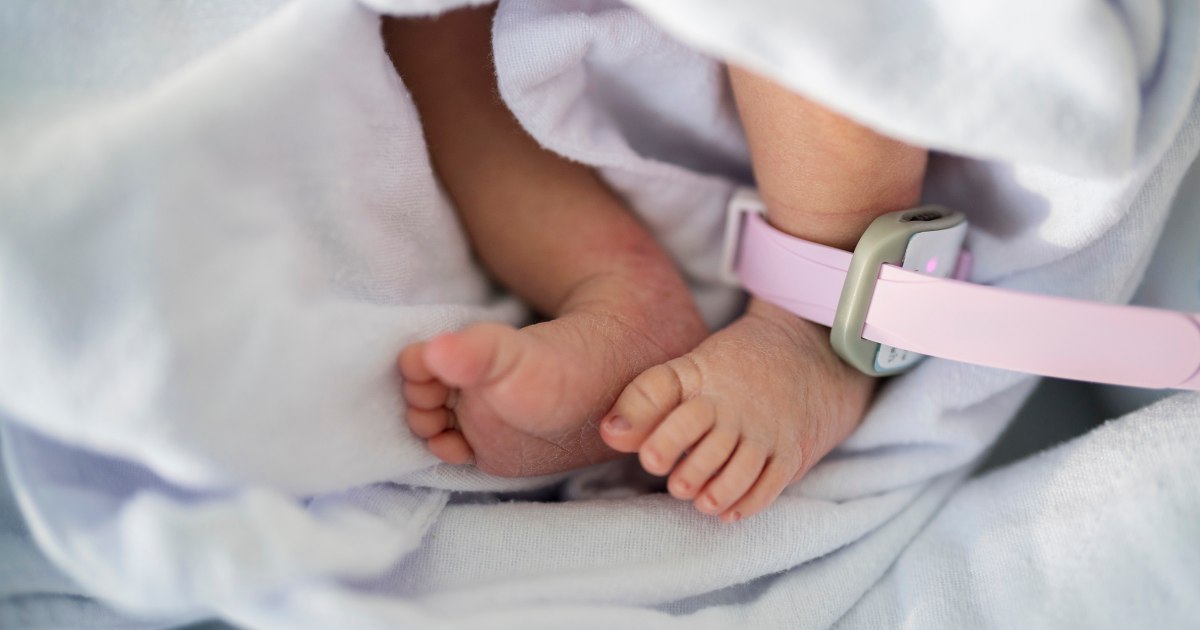
Declining Newborn Hepatitis B Vaccination Rates: A Public Health Concern
Recent data reveals a worrying trend in the vaccination rates for hepatitis B among newborns in the United States. According to a comprehensive analysis by Truveta, a health care analytics firm, the percentage of newborns receiving the hepatitis B vaccine has significantly dropped in 2023.
Vaccination Decline and Implications
As of June 2023, only 66% of newborns were vaccinated against hepatitis B within the first day of life, a marked decrease from 80% the previous year. This initial vaccination, known as the birth dose, is critical for infants, particularly for those with mothers who may be unaware of their hepatitis B status and could inadvertently transmit the virus during delivery.
Health Risks of Hepatitis B
Hepatitis B poses serious health risks; up to 90% of infants born with the virus can develop chronic infections, which significantly elevate their chances of liver disease, liver cancer, and early mortality. Early vaccination serves as an effective preventive measure, substantially lowering these risks.
Data Overview
The study evaluated medical records from over 1.3 million infants born in the U.S. from January 2018 to June 2023. The findings show a decrease in vaccination rates that began before a controversial decision by federal vaccine experts to reassess the universal birth vaccination recommendation. This decision was later paused by a federal judge after a lawsuit from the American Academy of Pediatrics.
Link to Broader Vaccine Hesitancy
This decline in hepatitis B vaccinations reflects a broader pattern of increasing vaccine hesitancy in the U.S. A recent investigation by NBC News indicated that many counties are falling below immunization thresholds necessary to prevent diseases, such as measles. Following a resurgence of measles, with nearly 6,000 cases reported and at least 13 fatalities, experts are urging a reevaluation of vaccination strategies.
Vaccination Rates Among At-Risk Infants
The decline in hepatitis B vaccinations is also evident among infants born to mothers known to carry the virus. Previously, nearly 98% of these high-risk infants received the vaccination during their early days, but this figure fell to 94% in the first half of 2023.
Historical Context and Effectiveness of the Vaccine
The implementation of a universal hepatitis B vaccination at birth in 1991 resulted in a dramatic 99% decrease in reported acute hepatitis B cases among children by 2019. According to the Centers for Disease Control and Prevention (CDC), this vaccination program has prevented more than 6 million infections and avoided almost 1 million hospital visits.
Furthermore, a review conducted by the University of Minnesota’s Vaccine Integrity Project, which analyzed over 400 studies, found no significant short- or long-term health issues related to the hepatitis B vaccine given at birth.
Experts’ Concerns
Medical professionals express alarm over these declining vaccination rates. Dr. Nina Masters, the study’s lead author, emphasizes the importance of vaccination, stating, “Infants born to mothers with hepatitis B have a 90% chance of perinatal infection. That can mean a lifetime of chronic liver disease, cirrhosis, and early death. This is a real preventable tragedy.”
Dr. Richard Besser, President of the Robert Wood Johnson Foundation, likens the current hepatitis B situation to the earlier measles outbreaks, commenting, “This — hepatitis B and the rise in unvaccinated newborns — these are the kinds of things that are silent, that you don’t see for years and years until these babies grow up and end up having liver disease.”
Conclusion
As the decline in hepatitis B vaccination rates continues, experts warn of the potential long-term public health consequences. It is essential for healthcare providers and public health agencies to address vaccine hesitancy and ensure that all newborns receive this critical protection.
