


Massachusetts Voters Approve Ballot Question 6 for Conservation Funding
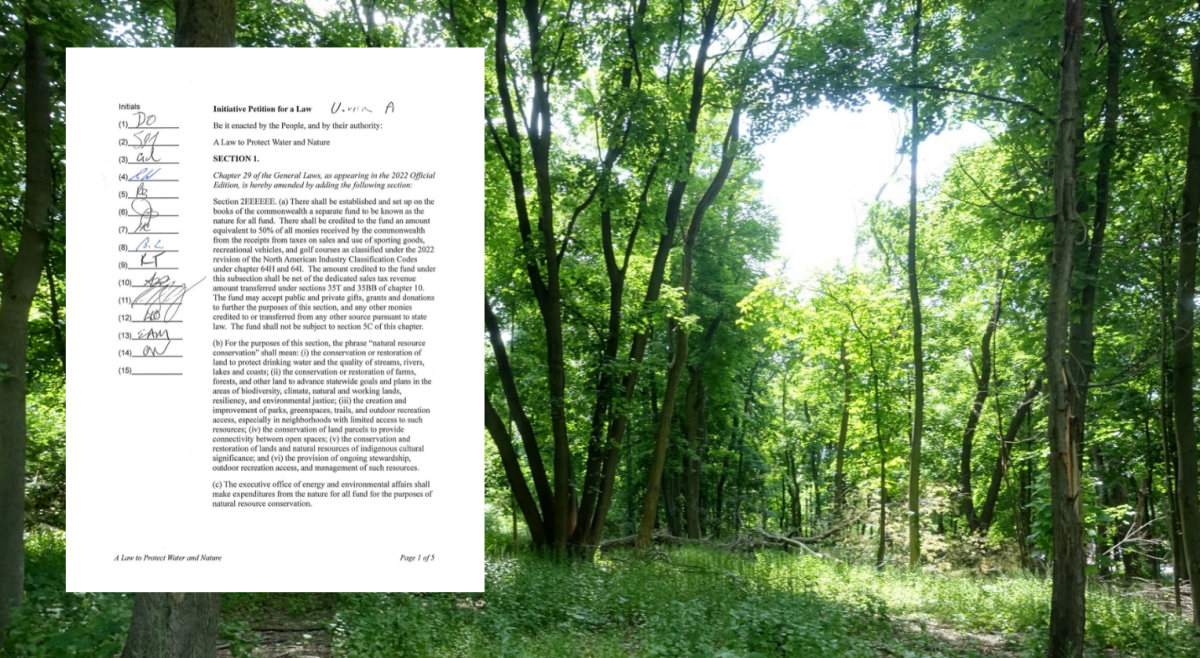
On November 3, Massachusetts voters made a significant decision by approving Ballot Question 6, a measure aimed at establishing a new financial resource for land conservation, parks, and wildlife habitats. This initiative was met with considerable backing, receiving approximately 60% approval statewide and 63% in Newton, as local residents demonstrated support despite concerns regarding its implementation.
Key Features of the Nature for All Fund
The approved question initiates the creation of the Nature for All Fund, which is set to receive a portion of the state sales tax collected from sporting goods, recreational vehicles, and golf courses. Beginning July 1, 2027, the fund will initially acquire half of this tax revenue, increasing to 100% the following year.
It is important to note that this measure does not introduce a new tax; instead, it reallocates existing funds. Yet, annual disbursements from this fund will still require legislative approval.
Community Reactions
Interviews with locals conducted by The Heights revealed a shared enthusiasm for the objectives of the Nature for All Fund. Ranjan Dey, a Newton resident and MCAS student, expressed his belief in the importance of environmental management and resource conservation. “I just always vote yes for that, and it didn’t seem super overbearing,” he noted.
Conversely, some voters recognized the measure’s imperfections. Wendy Schwartz acknowledged potential trade-offs, stating, “When you take taxes, and you allocate them to a particular area, you are by definition taking it away from other uses of those taxes.”
Support and Criticism
While the campaign received strong endorsements from various environmental organizations and notable public figures like Governor Maura Healey, criticisms arose concerning the method of budget allocation. Editorials from The Boston Globe and the Boston Herald cautioned that determining spending priorities through ballot measures might undermine legislative flexibility during financially constrained periods.
Additionally, some community members, including Newton resident Ansh Sittiraju, raised questions about the most effective means of securing funding for environmental projects, suggesting, “I also think the government should be careful about where that money is coming from.”
Looking Ahead: The Implementation Process
Despite the approval of the measure, uncertainties linger regarding the specifics of fund distribution and project prioritization. Jennifer Steel, Newton’s Chief Environmental Planner, expressed concerns about how the Nature for All Fund would be operationalized, highlighting the need for clarity on what projects will be prioritized. She mentioned various conservation efforts that could benefit from the funding, such as invasive species control and habitat restoration.
Public Sentiment on Urban Green Spaces
Community sentiment also encompassed a desire for enhanced urban environments. Jennifer Samson, a long-time Boston resident, asserted, “If we let the land go, it’s gone for good.” Erica Foley, a former resident of Newton, echoed similar sentiments, advocating for more greenery in urban settings for improved psychological well-being.
Conclusion
The passage of Ballot Question 6 marks a pivotal moment for Massachusetts environmental policy, heralding the potential for dedicated funding in land conservation and public park maintenance. However, the realization of its objectives will depend largely on how effectively the state allocates and utilizes the resources generated through this initiative.
