


Anticipating Northern Lights: Recent Solar Activity and Its Impact
On October 8, the sun produced yet another significant event, with a fourth coronal mass ejection (CME) joining the ranks of recent solar disturbances. This latest eruption emerged from the sunspot area known as AR4549 during an M-class solar flare, increasing the total number of CMEs aiming toward Earth to four. This surge in solar activity suggests a heightened chance of geomagnetic storms and possible aurora sightings over the coming days.
Northern Lights Visibility in the U.S.
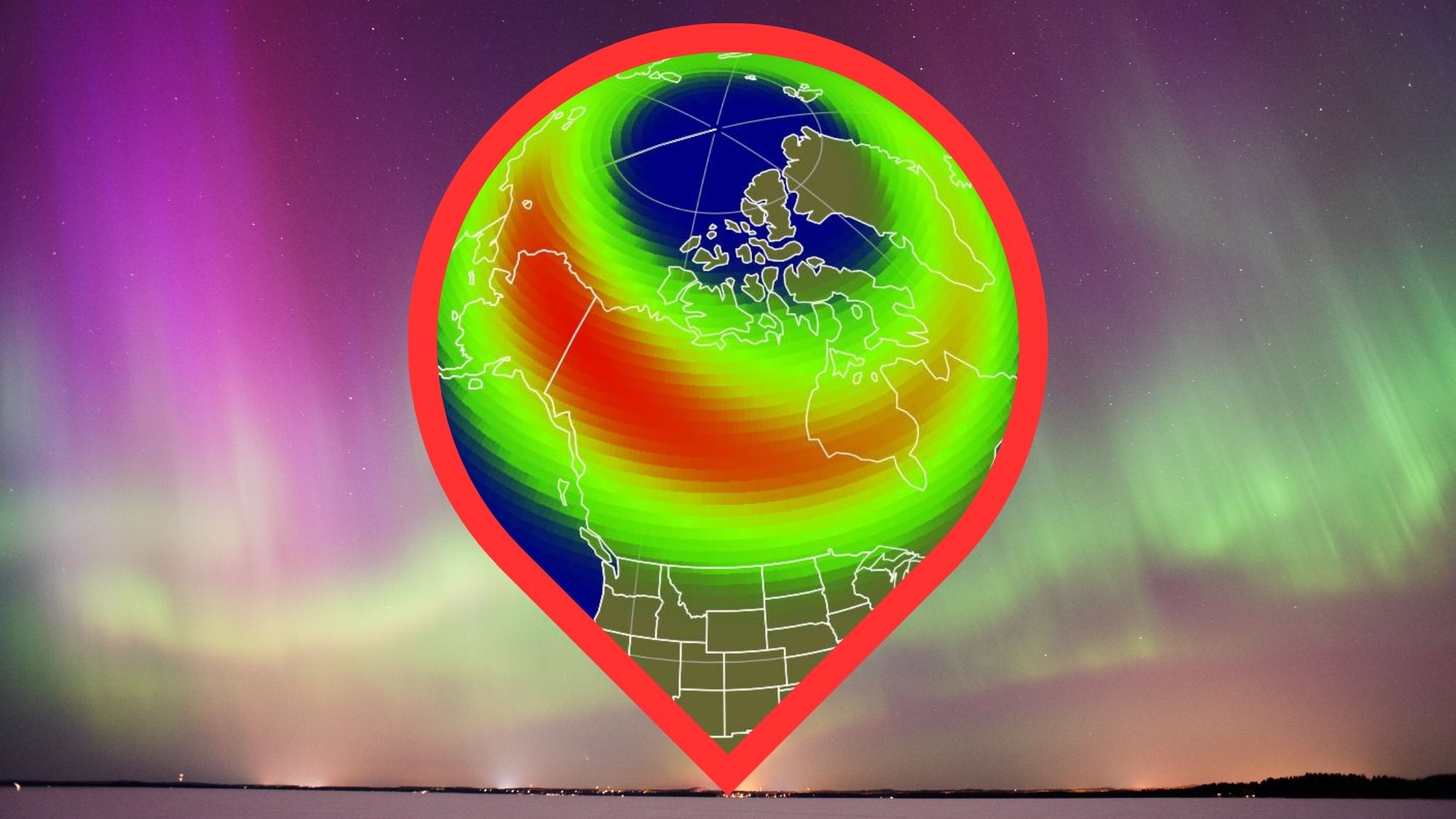
The National Oceanic and Atmospheric Administration (NOAA) has indicated that the forecast for auroral activity shows promise for the northern regions of North America. Whether the auroras will stretch southward remains unpredictable and hinges on the interaction of incoming CMEs with Earth’s magnetic field. As G2 geomagnetic storm conditions are predicted for October 9, previous occurrences have shown auroras can be visible as far down as New York and Idaho during such storms.
While optimism is high for observers in northern states, those farther south should also remain hopeful. With the rapid succession of CMEs headed toward Earth, significant uncertainty surrounds the development of geomagnetic conditions. Favorable interactions between these events and Earth’s magnetic field could potentially allow auroras to travel farther south than originally anticipated.
For those in mid-latitude regions, it’s time to prepare! Ensure that aurora alerts are activated and that camera batteries are charged, as this week promises to be exciting for enthusiasts tracking the northern lights.
Monitoring the Aurora Forecast
According to NOAA’s latest three-day forecast, the most intense geomagnetic activity is anticipated to occur later on October 9. Minor (G1) geomagnetic storm conditions are expected from 8 a.m. to 2 p.m. EDT, transitioning to moderate (G2) conditions from 2 p.m. to 8 p.m. EDT. Possible further activity extends into the weekend, where minor (G1) conditions may reappear from 11 p.m. on October 10 to 2 a.m. on October 11.
Arrivals of the Coronal Mass Ejections
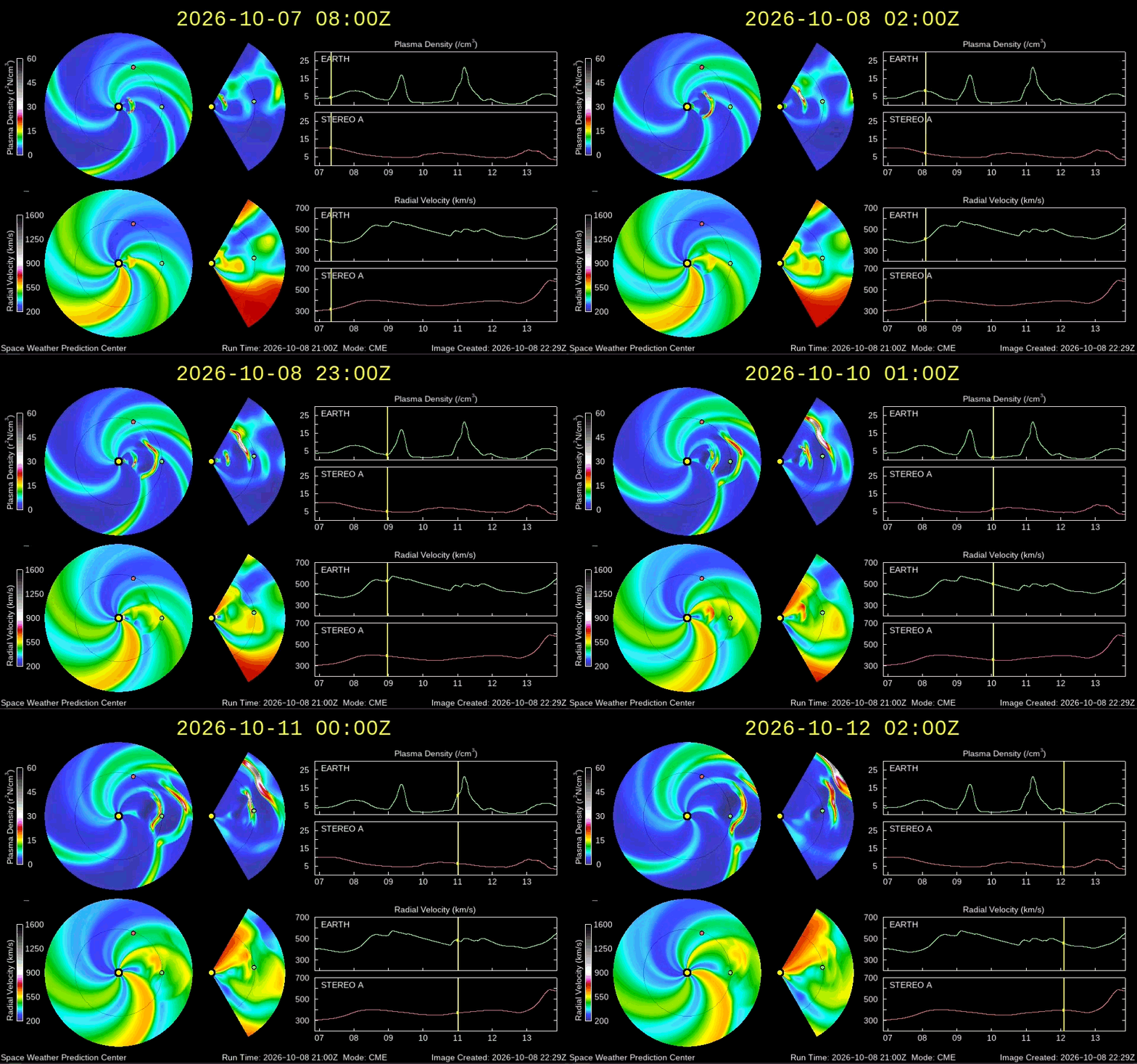
The forthcoming interactions with Earth could complicate the predictions regarding arrival times of the CMEs. The first two CMEs from October 6 may reach the planet on October 9, potentially delivering a strong one-two punch to its magnetic field. The third CME is projected to arrive late on October 10 or early October 11. Additionally, the newly erupted fourth CME appears to be traveling faster than its predecessors, raising the prospect that it may catch up to the third CME during its journey, complicating the situation further.
However, the mere presence of an Earth-directed CME does not guarantee an extraordinary display of auroras. The effectiveness with which these CMEs engage with Earth’s magnetic field will ultimately dictate the visual impact. With the sunspot AR4549 maintaining its unpredictable nature, the potential for additional solar activity remains, keeping scientists and skywatchers on alert.
For real-time updates tailored to your specific location, consider using dedicated space weather applications like “My Aurora Forecast & Alerts” or “Space Weather Live,” both available on iOS and Android.
As the geomagnetic situations evolve, enthusiasts and casual observers alike should stay informed and hopeful about the beautiful displays of the auroras that may soon light up the night skies.
