


Enhancing Respectful Engagement in Campus Promotions at Murray State University
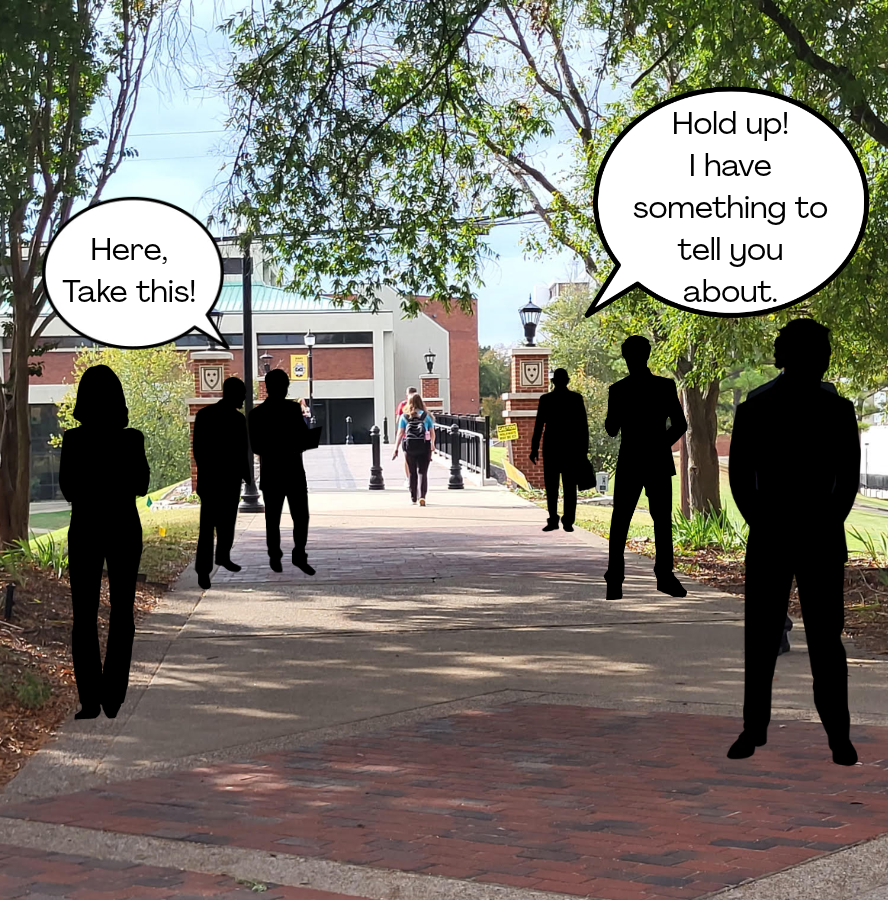
As students navigate their morning routines on campus, the presence of promotional tables and individuals seeking engagement can become a source of frustration. Many students may find these interactions challenging, especially when they are preoccupied with their schedules and focused on reaching their classes. The need for clear conduct regulations governing promotional activities has become increasingly evident in order to foster a respectful and safe campus environment.
Current State of Campus Promotions
Throughout the academic campus, locations such as the Curris Center and the Free Speech Zone often host a variety of promotional tables. While the intent behind these activities is typically benign, instances of invasive interactions have sparked concerns among students regarding the effectiveness and appropriateness of these engagements.
Preferred Approaches to Engagement
Engagement strategies employed by individuals and organizations on campus can significantly impact student responses. Two common approaches include:
- Respectful Distance: Individuals stand near their tables, greeting passersby and offering materials without intruding on personal space.
- Invasive Approach: Individuals step into walkways, placing themselves between students and their destinations, often prompting unwanted interactions.
Feedback indicates that the first approach, which respects personal space and student autonomy, is preferred by the student body.
The Balance Between Promotion and Respect
While promoting events and initiatives is essential for organizations, the method of engagement significantly impacts students’ perceptions. Promoters who achieve positive interactions with interested individuals ultimately create a better atmosphere than those who employ aggressive tactics. Thus, fostering an environment that values respect and engagement should be prioritized.
Regulatory Considerations for Campus Tabling
The current regulations governing tabling on campus, including designated areas such as the Curris Center and specific grassy zones, could benefit from further refinement. The Registered Student Organizations (RSO) Operating Policies dictate where organizations may engage in promotional activities. However, consolidating tabling to fewer locations, such as those near the Curris Center, would alleviate congestion and enhance student experience.
Concerns Regarding External Groups
Another issue arises when organizations composed of non-students utilize campus spaces. The presence of individuals who are neither enrolled nor employed by Murray State University can lead to confusion and discomfort among students. The Free Speech Zone is designated for such external groups, ensuring that engagement remains within appropriate parameters.
Ensuring a Respectful Physical Space
The physical use of space during promotional activities contributes significantly to student comfort. Instances where tables occupy both sides of pathways can create feelings of being trapped or targeted. Clear guidelines should be established to prevent obstruction of walkways, allowing students to navigate campus freely while ensuring that promotional activities do not intrude on their autonomy.
Call for Clear Regulations
This discussion emphasizes the need for well-defined and consistently enforced regulations regarding promotional activities on campus. Establishing such guidelines would foster a more respectful atmosphere for students and enhance the overall experience of campus engagement.