


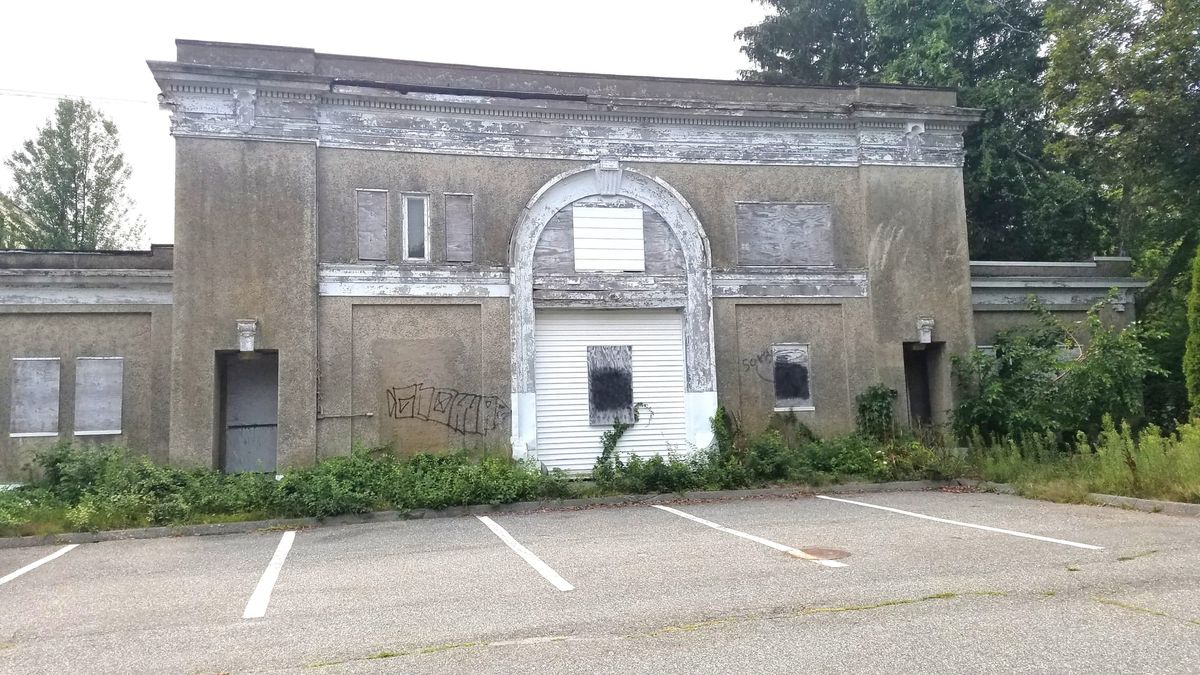
The Future of the Sanborn Carriage House: A Call for a Feasibility Study
As a member of the Winchester Town Meeting and a resident, Tom Hopcroft has voiced a strong appeal for supporting Article 30, which proposes a feasibility study aimed at gathering comprehensive data essential for future decisions regarding the Sanborn Carriage House. This historic structure serves as a crucial piece of Winchester’s heritage, warranting thoughtful consideration and analysis.
The Historical Importance of the Sanborn Carriage House
The Carriage House represents a significant chapter in Winchester’s history, echoing changes from horse-drawn carriages to automobiles at the dawn of the 20th century. In 1907, Massachusetts was a pivotal player in the burgeoning automobile industry, overshadowing Detroit in production during its early years. Notably, within this context, Oren Sanborn, a descendant of a prominent coffee dynasty, utilized the Carriage House for his luxury automobile, marking a fascinating intersection of history and innovation.
Designed by the Boston architectural firm Hill & James, the Carriage House not only exemplifies Beaux-Arts architecture but also symbolizes a period of technological advancement. The innovative features included an automobile turntable and ample space for both automobiles and horses—representing a transition not just in transportation, but in societal norms.
Architectural Significance and Current Condition
The structure has maintained its soundness despite some minor leaks. The Winchester School Committee assessed the building’s integrity in 2012 and again noted its potential during an inspection in 2021 when preservation advocates recognized the quality of the original timber. The historical value of the Carriage House is further emphasized by its status on the National Register of Historic Places, highlighting the rarity of such estates that seamlessly integrate a mansion with its carriage house.
Community Engagement and Recent Developments
Since the Town acquired the property in 1969, the Carriage House has served various community needs, from housing programs for children to office space for the Recreation Department. However, its untended state since the early 2000s has raised concerns among residents who remember its vibrant role within the community.
The potential for future uses remains a topic of interest, especially given that community members have shown support for its restoration. Plans for renovation, which seek to leverage local grants and donations, echo the successful revitalization of the nearby Sanborn House by the Historical Society.
Funding and Decision-Making Landscape
The upcoming 2026 Spring Town Meeting presents a pivotal moment for the Carriage House. The School Committee faces a decision between renovation costs, approximated at $500,000 for roof repairs, or the cheaper yet detrimental option of demolition at $300,000. Advocates contend that preserving this landmark could become financially viable through additional funding, effectively turning a liability into a thriving community asset.
Addressing Community Concerns and Vision for Restoration
Concerns about traffic and parking have been cited by some residents. Nevertheless, collaborative solutions exist, such as improvements to existing facilities and repurposing underutilized spaces. These changes could enhance both utilization and accessibility, ensuring minimal disruption to educational programs.
Proposals for the restored Carriage House could include a community event space, educational exhibits, and even provisions for modern energy solutions like solar panels. Such enhancements would not only preserve the historical essence of the building but also adapt it to contemporary needs, fostering both cultural appreciation and active community engagement.
The Need for a Feasibility Study
A thorough feasibility study is essential for exploring the options for both preservation and potential redevelopment of the Carriage House. It will involve assessing the costs tied to restoration, as well as examining pathways for effective management and control, especially concerning school operations. With accurate data and a consensus on future use, the community can make informed decisions regarding the meaningful preservation of this unique structure.
Key questions to be explored in the feasibility study include:
- Long-term lease possibilities to attract funding and support.
- Options for oversight that prioritize the operation of nearby schools.
- Engagement with donors interested in funding restoration efforts.
- Lessons from past coordination between the Historical Society and community stakeholders.
Conclusion
Tom Hopcroft’s call to action highlights an important opportunity for Winchester. By supporting the feasibility study, residents can contribute to a plan that honors the historical significance of the Sanborn Carriage House while exploring its potential to enhance community life. As decisions unfold, this endeavor could reconnect Winchester residents with their rich history and create a versatile space for future generations.