


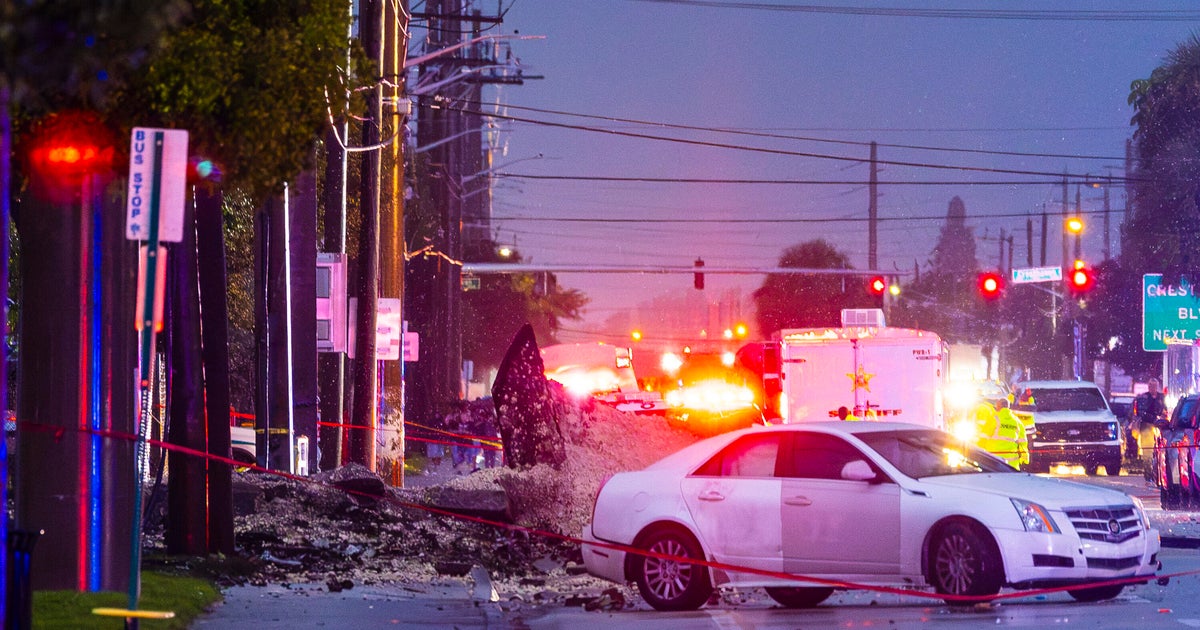
Tragic Plane Crash in Florida Claims Nine Lives
A Learjet 60 crashed in Palm Beach County, Florida on Sunday, resulting in the deaths of all nine people aboard the aircraft. The incident occurred as the jet, which had taken off from Austin, Texas, was en route to the Bahamas.
Flight Conditions and Distress Signals
Audio recordings reveal that shortly before the crash, the pilot reported severe weather conditions. At one point, he stated, “We’re managing the ice,” indicating problems associated with ice accumulation on the wings. This was followed by a Mayday declaration as the situation deteriorated.
The pilot, identified as Jeffrey Gregory, expressed increasing concern regarding the aircraft’s control, as noted in final communications with air traffic control: “722 Bravo Delta, we’re descending 8,000, Mayday, Mayday, we’re descending 10,000 feet per minute,” he stated.
In the critical moments before the crash, further alarming messages ensued: “Declare an emergency 722 Bravo Delta, we are in an overspeed condition descending 20,000 feet per minute.” Witnesses to the incident reported a significant fireball upon impact, which created a large crater in the ground.
Final Moments Before Impact
The aircraft’s last data transmission recorded an altitude of nearly 9,000 feet before it unexpectedly nosedived at an alarming rate of over 32,000 feet per minute, equating to approximately 363 mph.
Casualties and Passengers
Among the deceased were the co-pilot, 20-year-old Nathalia Filgueiras, and several passengers who included Adam Robinson, 45, and Helen Sharp, 41—a couple from Austin—and their two young children, ages 2 and 4. The identity of the remaining passengers, aged in their 20s and 30s, has been withheld pending family notification.
Investigation and Expert Insight
The National Transportation Safety Board (NTSB) is spearheading the investigation into this tragic accident. Robert Sumwalt, a former NTSB chair, emphasized the dangers associated with ice on aircraft wings, stating, “One, it adds weight, but more importantly, it disrupts the smooth flow of air across the top of the wings,” which can lead to catastrophic loss of control.
NTSB board member Tom Chapman indicated that there is preliminary evidence suggesting the aircraft may have begun to break apart before impacting the ground. He cautioned that debris could be located some distance from the crash site.
Impact on the Community
Although no one on the ground was killed, one individual sustained a leg injury. Residents in the area recounted the sheer force of the crash. Local resident Aki Kuusisto remarked, “It felt like it was right next to us,” and described a loud whistle followed by a booming sound that resonated through their vehicle.
Others in the vicinity reported their homes shaking and lights flickering as the jet struck the ground.
Conclusion
This devastating incident serves as a reminder of the inherent risks associated with aviation, especially under adverse weather conditions. As investigations continue, the focus will remain on understanding the factors that contributed to this tragic loss of life.
