


Clarification on $6 Million Grant to Marrickville Golf Club
Prime Minister Anthony Albanese has recently revised his earlier statements regarding a controversial $6 million grant allocated to Marrickville Golf Club, admitting it is not intended for resolving sewage issues as initially reported.
Initial Claims and Controversy
In a previous address to the House of Representatives, Albanese asserted that the funding aimed to prevent raw sewage from contaminating the Cooks River during floods. He stated, “When it floods in Marrickville, raw sewage flows into the Cooks River. That is what the funding is for.”
However, this claim faced scrutiny following an ABC report highlighting Albanese’s undisclosed honorary membership at the golf club, which raised questions about the motivations behind the grant.
Government Response
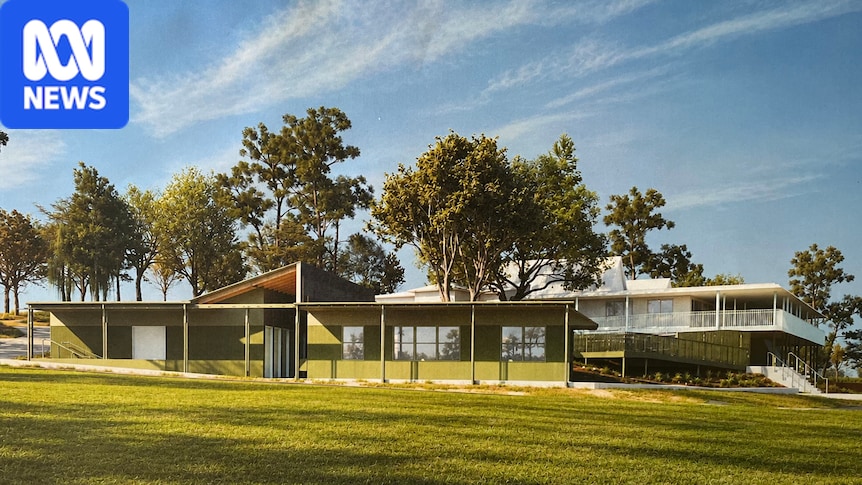
During Senate estimates, officials from the Department of Infrastructure contradicted the Prime Minister’s assertion, clarifying that the allocated $6 million is not designated for any sewerage works. Instead, the majority of the funds will be directed toward significant renovations of the Royal Marrickville clubhouse. Planned improvements include:
- Construction of a new bar and office spaces
- Enhancements to furniture and outdoor dining areas
- A dog-walking station
- Revamping of the pro shop
Additionally, $1 million is earmarked for stormwater harvesting upgrades, while $500,000 will be used for landscaping and botanic plantings, as noted in Inner West Council meeting minutes.
Admission of Error
Under pressure from opposition members, Albanese later acknowledged that his prior statement regarding the grant’s purpose was incorrect. He explained, “That was not correct. The state government had moved in and is funding the project.” Referring to the New South Wales government’s involvement, he added, “The funding was going to be for sewerage; the NSW government has stepped in, which is appropriate because NSW run water and sewerage.”
Political Reactions and Calls for Accountability
The opposition, particularly led by Manager of Business Dan Tehan and Senator Bridget McKenzie, has called for Albanese to apologize for allegedly misleading the parliament. Tehan stated, “This is an opportunity for the prime minister to clear the air. Just admit you got it wrong and tell the truth.”
Documents obtained via freedom of information requests revealed that the brief prepared for Minister Catherine King omitted any mention of sewage issues related to the funding, supporting calls for a more transparent accounting of the grant’s intentions.
Conclusion
As discussions around this grant continue, the implications of Albanese’s admission could have ramifications in how government funding is perceived and managed within the community. Ongoing scrutiny by media and political oppositions showcases the importance of clarity and integrity in government communications.
