


NATO Enhances Security in Poland with AWACS Deployment
In response to escalating tensions on NATO’s eastern flank, the alliance has announced the deployment of an Airborne Warning and Control System (AWACS) aircraft to Poland. This strategic move follows the recent landing of three Russian Kh-101 missiles in Polish territory, raising alarms about the potential spillover of the conflict in Ukraine into NATO member states.
    <h2>Background on Recent Incidents</h2>
    <p>The incident involving the three missiles occurred on Friday, prompting immediate security concerns. Polish prosecutors confirmed the missile landings, highlighting the increasing risks posed by Russia's ongoing military actions in Ukraine, which began with a full-scale invasion in 2022.</p>

    <h2>Details of AWACS Deployment</h2>
    <p>According to Pawel Zalewski, a deputy defense minister of Poland, the introduction of the AWACS aircraft is set to significantly bolster the country's operational capabilities. “An AWACS early-warning aircraft will be made available to Poland,” he stated during a NATO meeting in Brussels. “This is a very good system that gives us even deeper operational awareness which allows us to respond better to this kind of threat.”</p>

    <h2>Functionality of AWACS Aircraft</h2>
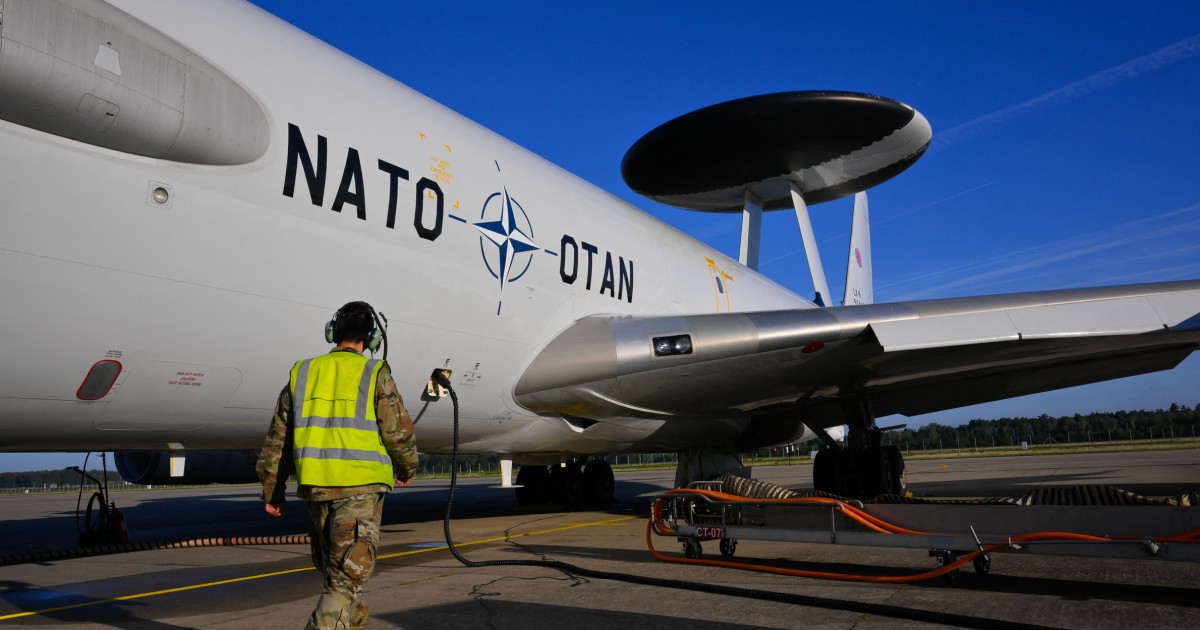
    <p>The AWACS aircraft, recognized for their characteristic nine-meter-wide radar domes, have been integral to NATO's surveillance efforts since their inception in 1982. The alliance operates a fleet of 14 such aircraft stationed at Geilenkirchen Air Base in Germany.</p>
    <ul>
        <li>**Surveillance Capabilities**: AWACS provides a comprehensive radar picture for allied forces, enhancing information sharing among fighters, ships, and command centers.</li>
        <li>**Operational Coordination**: These aircraft play a crucial role in directing NATO combat jets towards their intended targets during conflicts.</li>
    </ul>

    <h2>Conclusion</h2>
    <p>The deployment of AWACS to Poland underscores NATO's commitment to strengthening defense operations in Eastern Europe amid escalated threats. As geopolitical tensions continue to rise, such enhancements are vital for maintaining peace and security within the alliance.</p>
</article>