


The Rise of Industrial Outdoor Storage: Investment Opportunities for All
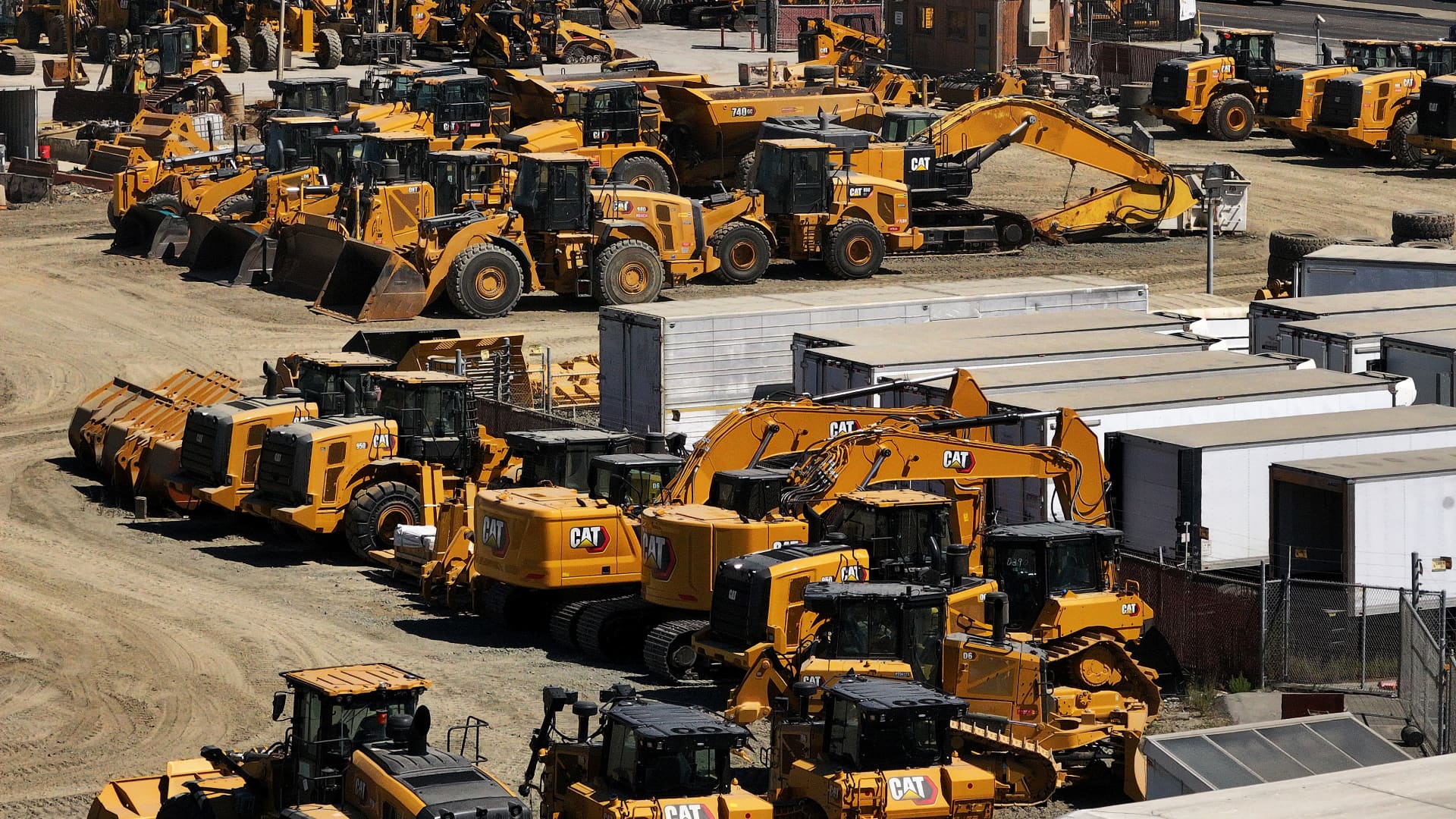
Across the U.S., lots filled with idle heavy equipment, such as bulldozers and trucks, have increasingly attracted attention from major private equity firms like Brookfield and Blackstone. This “industrial outdoor storage” (IOS) sector, often overlooked, is now stepping into the spotlight due to heightened demand influenced by advancements in artificial intelligence and logistics needs.
Institutional Interest in Industrial Outdoor Storage
Noticing the potential within the IOS landscape, Brookfield has committed to investing in this fragmented sector, viewing it as vital to modern supply chains. “We have strong conviction in industrial outdoor storage,” stated Devin Barnwell, co-leader of Brookfield’s logistics business. “We see significant opportunity to bring institutional capital and operating expertise to this fragmented sector, improving the quality and efficiency of these assets while strengthening the resilience of our industrial supply chains.”
This year, Brookfield finalized a $1.2 billion deal to acquire Peakstone Realty Trust, which included over 70 outdoor storage properties, underscoring its intent to capitalize on IOS market dynamics.
Meanwhile, Blackstone is positioning itself as a key player by providing financing solutions, having lent over $1.1 billion to IOS property owners recently, including a substantial loan to Alterra IOS for property acquisitions.
Opportunities for Small Investors
While institutional investors are making headlines, opportunities remain for individual investors in the IOS market. As Adam Petrillo of Newmark highlights, smaller, non-institutional investors can find competitive returns from sites as small as three to five acres in well-placed secondary markets. “The good news for smaller investors is that a good individual IOS site isn’t necessarily 50 acres,” said Petrillo.
Market Dynamics and Growth Potential
The appeal of IOS is reinforced by rising rent levels. According to data from Newmark Research and Alterra IOS, rents for industrial outdoor storage have approximately doubled in eight major markets since 2020, averaging nearly $11,000 monthly per usable acre. This surge in rents suggests strong demand driven by local infrastructure and energy activities, even surpassing rent increases in traditional indoor warehousing.
Notable cities such as Baltimore, Houston, and Norfolk have witnessed leads in rental growth, highlighting the correlation between IOS demand and local economic activity.
Challenges and Considerations
Despite the investment allure, acquiring IOS properties comes with challenges, particularly zoning regulations. Sam Cheema from CanTex Capital notes that finding properly zoned IOS sites is increasingly difficult due to a trend of conversions to warehouses or multi-family housing. Understanding local zoning plans is essential for prospective investors.
Regarding financial aspects, investor access to loans can be limited, especially for smaller players facing higher costs compared to institutional counterparts. Interest rates remain a concern, with projected hikes by the Federal Reserve leading to increased borrowing costs.
Comparative Advantages of IOS
Investors are drawn to IOS for various reasons, including lower capital expenditure requirements compared to traditional industrial and multifamily properties, as well as the potential for attractive yields. Alex Sutterer of NAI Hiffman points out that IOS yields typically exceed those of conventional properties by about one percentage point.
The diversity in tenants occupying IOS properties also adds to their appeal, as they include businesses with robust credit profiles. This tenant mix proves advantageous amid fluctuating market conditions.
Conclusion: A Hidden Gem for Investors
The surge in interest surrounding industrial outdoor storage suggests that, while larger firms have recognized its value, smaller investors still have substantial opportunities. In light of various economic factors and localized market conditions, due diligence and strategic site selection become paramount for success in this burgeoning asset class.
