


Lessons from Ancient Greece: Rubio’s Speech at the Pnyx
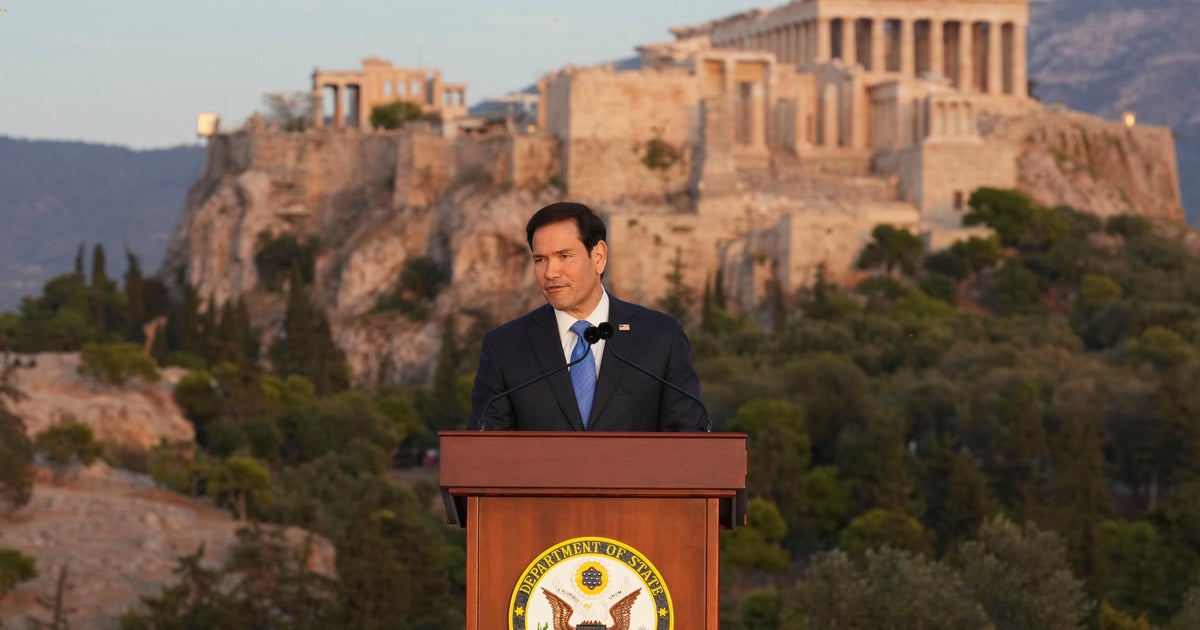
On October 7, 2026, U.S. Secretary of State Marco Rubio delivered a notable address at the Pnyx, a historical site in Athens where ancient Athenians gathered for democratic assemblies. His speech sought to connect the virtues of ancient Greece to contemporary challenges facing Western societies, especially against the backdrop of ongoing conflicts, including the war in Iran and tensions surrounding Ukraine.
Revisiting Ancient Ideals
Rubio emphasized that the foundations of Western democracy and philosophy trace back to Greece, particularly highlighting characteristics that he believes fueled the West’s past successes. He cited traits such as “fierce individuality,” “relentless ambition,” and a “yearning for discovery, for adventure, risk and glory.”
A Warning Against Complacency
Rubio reflected on how these once-celebrated qualities have diminished in the modern era. He criticized the prevailing societal tendency to prioritize “perfect safety” over the acceptance of risk and failure. “We hold the most exceptional things among us hostage to the average, the ordinary, the mediocre,” he stated.
A Crossroad for the West
The Secretary of State characterized the current moment as pivotal, asserting that the decisions made within the next decade will significantly shape the direction of the West for the next century. He claimed that the future of Western civilization hangs in the balance; it can either choose proactive growth or resign to decline.
U.S. Strategy and Commitment
Rubio articulated a vision of American policy under President Trump that stresses the importance of national power. “We choose the unapologetic pursuit of national power,” he declared, pointing to efforts aimed at reindustrializing U.S. infrastructure, securing supply chains, and enhancing defense capabilities.
Selective Historical Narratives
While Rubio’s speech drew from a broad historical narrative, it notably minimized discussions of democracy and political equality, key elements traditionally associated with ancient Greece. Instead, he concentrated on competition, national loyalty, and the willingness to embrace risks, suggesting that modern societies often focus more on “the comfort of the worst than the potential of the best.”
Response to Current Geopolitical Tensions
During his speech, Rubio directly addressed the ongoing conflict with Iran, comparing Western ideals of sacrifice to what he described as a “cult of death” among Iran’s “radical mullahs.” He asserted, “Our heroes may be willing to die for their cause, but they do not worship death.”
Rubio’s Broader Tour and Diplomatic Engagements
The address was part of a diplomatic tour across three countries, beginning in Iceland and concluding in Portugal. In Greece, he engaged with Greek Foreign Minister George Gerapetritis in discussions covering defense, energy, and regional security. Rubio praised Greece as a “strong and model NATO ally.”
Addressing Domestic Concerns
Amidst his diplomatic engagements, Rubio faced questions about the ethics of U.S. Ambassador Kimberly Guilfoyle, amid congressional scrutiny regarding her potential conflicts of interest. While declining to confirm specifics, he affirmed his confidence in the embassy’s operations.
The Road Ahead
Rubio’s remarks come at a significant juncture for the Trump administration, particularly as the U.S. continues navigating the complexities of its military engagement with Iran and rising oil prices resulting from these conflicts. As Rubio emphasized, the narrative of the West’s future will depend on the actions taken today to uphold the principles that defined its past.
