


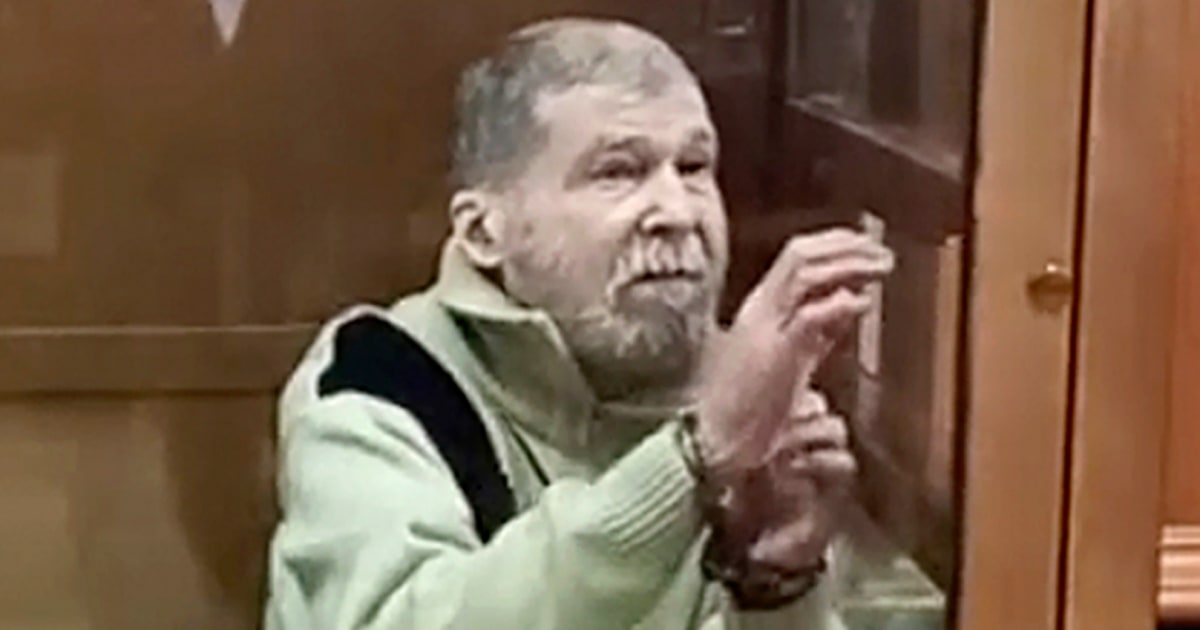
Stephen Hubbard’s Release: A Sign of Thawing US-Russia Relations
Russia has announced the release of 74-year-old Stephen Hubbard, a retired American teacher, who had been detained in Ukraine since 2022. This release is seen as a potential indicator of shifting relations between the United States and Russia, coinciding with increasing diplomatic efforts to negotiate an end to the ongoing conflict in Ukraine.
Diplomatic Engagements
The news of Hubbard’s release emerged during discussions between U.S. envoy Steve Witkoff and Russian President Vladimir Putin in St. Petersburg. In televised remarks, Putin confirmed that Hubbard was at the airport, while Witkoff commended him for the humanitarian gesture. “You talk so much about my president, President Trump, being a humanitarian. You are a humanitarian also, sir,” Witkoff noted, highlighting the importance of human rights in international relations.
This release comes amid a broader effort by the U.S. to engage with the Kremlin. Hubbard was the last American labeled as “wrongfully detained” by the State Department, and his release presents a diplomatic success for the Trump administration, which has faced criticism for its stance on the Ukraine conflict.
Reactions from U.S. Leadership
President Trump took to social media to express his satisfaction with the development, stating, “Stephen is on his way back home and will soon be with his family. The United States, out of respect for President Trump, was not required to give anything in return — an unprecedented situation for Russia.”
Trump had previously requested Hubbard’s release directly from Putin, who faced accusations from Hubbard of being unjustly charged with mercenary activities in Ukraine. The white house has emphasized the necessity of ensuring safe passage for wrongfully detained individuals as part of their foreign policy initiatives.
Ongoing Negotiations
The discussions in St. Petersburg followed meetings Witkoff held with Ukrainian President Volodymyr Zelenskyy and European leaders in Oslo, where Ukraine presented new proposals for advancing diplomatic negotiations. U.S. officials described these talks as having made “meaningful progress,” suggesting a renewed commitment to finding a resolution to the conflict.
“We want Zelenskyy to make a deal,” Trump stated during a press briefing, emphasizing the need for Ukraine to engage in negotiations, although his comments have led to concerns regarding U.S. support for Kyiv’s defenses against Russian aggression.
Challenges Ahead
Despite these positive developments, challenges remain evident. Ukrainian officials have expressed apprehension regarding U.S. support, particularly in light of ongoing Russian attacks. On the same day as Hubbard’s release, at least nine civilians were reported dead in Ukraine due to intensified missile strikes, highlighting the urgency for effective diplomatic solutions.
Furthermore, Putin has maintained that any meeting with Zelenskyy can only occur once a deal is finalized, with demands including territorial concessions from Ukraine, particularly in the eastern Donbas region, posing significant hurdles to successful negotiations.
Looking Forward
As this complex situation continues to evolve, diplomatic channels remain crucial. Witkoff’s commitment to outlining potential frameworks for peace, along with Zelenskyy’s response to security cooperation concerns, could play pivotal roles in future negotiations. Observers will be closely monitoring how these developments influence the course of international relations and the ongoing conflict in Ukraine.
