


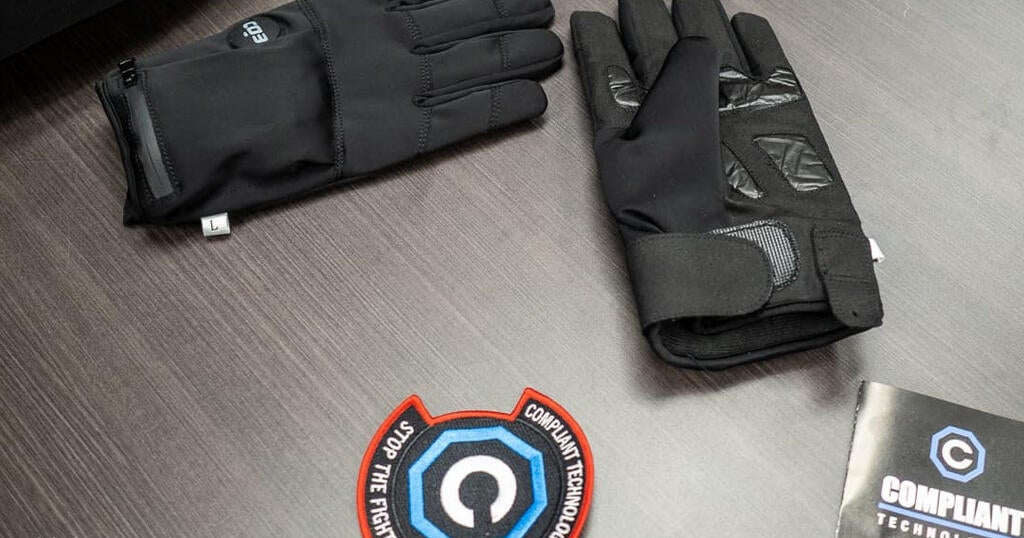
Concerns Emerge Over ICE’s Planned Use of Shock Gloves in Detention and Deportation Procedures
Recent revelations regarding the potential use of shock gloves by Immigration and Customs Enforcement (ICE) raise significant safety and ethical concerns. An Army study conducted during a military exercise indicated that the gloves, designed to subdue detainees and protesters, can cause intense pain and compel immediate compliance from those subjected to their electric shocks.
Purchase Decision Under Scrutiny
ICE officials proceeded with a $16.7 million contract to acquire 6,000 pairs of these shock gloves in August, despite awareness of the Army’s findings. Records obtained by the watchdog group American Oversight and subsequently shared with The Associated Press show that the gloves were evaluated during exercises in October 2024 at the military prison in Fort Leavenworth, Kansas.
Impact of Shock Gloves on Compliance
During controlled tests involving personnel acting as combative prisoners, it was noted that the application of shocks led to an immediate cessation of resistance. Participants experienced significant discomfort, leaving them fatigued and apprehensive about further shocks. The study’s authors reported that merely seeing the gloves was enough to induce compliance, reflecting their effectiveness as tools for control.
ICE’s Justification and Critics’ Concerns
ICE has characterized the gloves as “distraction and de-escalation devices,” arguing they present a safer alternative to other non-lethal methods currently in use. The agency claims that the gloves will facilitate safer interactions for officers, thereby minimizing the risks of escalating confrontations that could lead to lethality. In procurement documentation, ICE noted the rising threats faced by their agents, stating:
“ICE does not currently have an empty-hand use of force device to provide to the field amid unprecedented levels of threats and violence against ICE officers and agents to help ensure they can de-escalate tense situations before they turn violent.”
However, critics contend that these gloves could further empower ICE’s tactics of intimidation, raising alarms regarding their potential for abuse. Observers point out that the gloves are easily deployed, leave no visible marks, and have limited precedent for utilization outside prison environments. Additionally, the manufacturer advises against using them on vulnerable populations, including children and pregnant women.
Assessment of Safety and Efficacy
Chioma Chukwu, the executive director of American Oversight, stressed the need for caution, stating:
“The military assessment in ICE’s own files shows that these gloves can cause ‘intense pain’ and force compliance. It does not establish that they are safe.”
This sentiment reflects broader concerns about the safety of deploying such devices in civilian settings.
Military Study Findings
The military study evaluated the gloves’ effectiveness in various scenarios, including forcibly removing uncooperative detainees from their cells and managing disturbances within common areas. The study articulated that the devices enhanced operational efficiency by:
- Quickly reducing the duration of physical confrontations
- Minimizing exhaustion among guards
- Preventing injuries during incidents
The report concluded that compliance achieved through the gloves was notably faster than with traditional methods, providing increased confidence for less experienced personnel.
Legislative Response and Ongoing Questions
As ICE prepares to implement these gloves, concerns from lawmakers remain unanswered. U.S. Senator Catherine Cortez Masto of Nevada, along with 15 colleagues, have expressed their demand for clarity regarding the agency’s intentions and training protocols related to the gloves. She stated:
“Without ICE’s responses to legitimate questions… the American public is being left in the dark about how these electric shock gloves are being deployed.”
The Department of Homeland Security has defended the procurement, insisting critics are compromising the safety of federal officers. In a statement, a DHS spokesperson remarked:
“ICE is constantly assessing the needs of our officers in the field to ensure they have the tools and equipment necessary to safely arrest and remove criminal illegal aliens.”
With the manufacturer tasked to deliver the gloves in the coming months, the dialogue surrounding their implications for public safety and the potential for misuse remains critical.
