


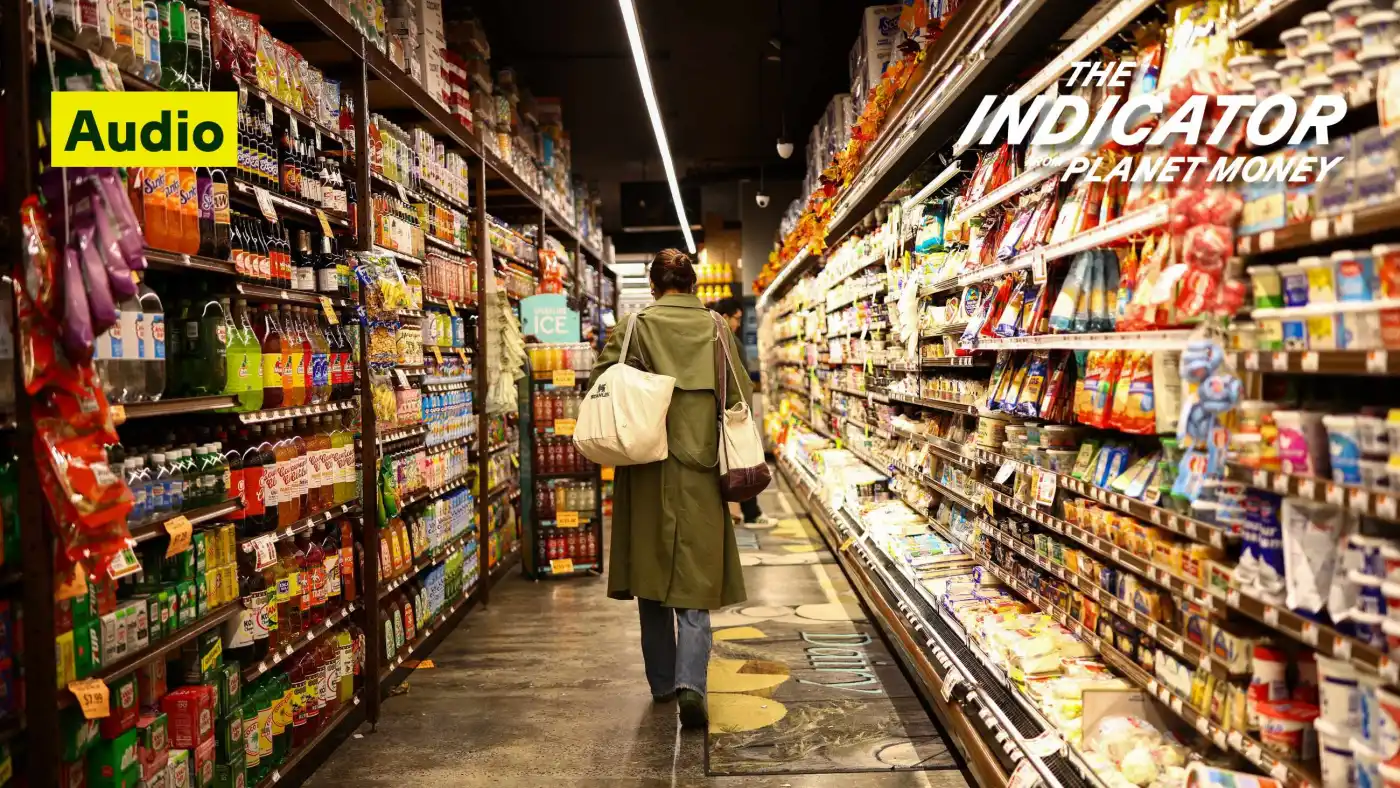
Understanding Cheapflation: The Rise of Budget Grocery Prices
Introduction to Cheapflation
Recent trends have shown a surprising shift in grocery pricing, particularly for budget options. This phenomenon, termed cheapflation, refers to the rising costs of budget grocery items surpassing those of branded alternatives, prompting consumers to reevaluate their shopping habits.
Why Are Budget Prices Increasing?
Several factors contribute to the escalation of prices in budget groceries. These include:
- Supply Chain Disruptions: Ongoing issues in supply chains have affected costs for suppliers and retailers alike.
- Inflationary Pressures: General economic inflation has led to higher operating costs, which are often passed on to consumers.
- Increased Demand: As consumers seek out cheaper alternatives, heightened demand can lead to price surges in budget categories.
The Impact on Consumers
Shoppers are adjusting their behaviors in response to these rising costs. Many are turning to alternative grocery options, bulk buying, or focusing on sales and discounts. This change highlights a significant shift in consumer priorities towards cost-saving strategies amidst higher cash outflows for necessities.
Listening to the Experts
For those interested in understanding more about the current economic landscape and the implications of grocery pricing, NPR offers extensive resources. Their podcast, The Indicator from Planet Money, addresses a variety of economic issues, including grocery prices and consumer behavior trends.
Support Public Media
Listeners can support public broadcasting through NPR+, which provides perks such as sponsor-free listening to over 25 podcasts. For more details, visit NPR+.
