


Google Dismantles Massive Botnet of Android TV Boxes
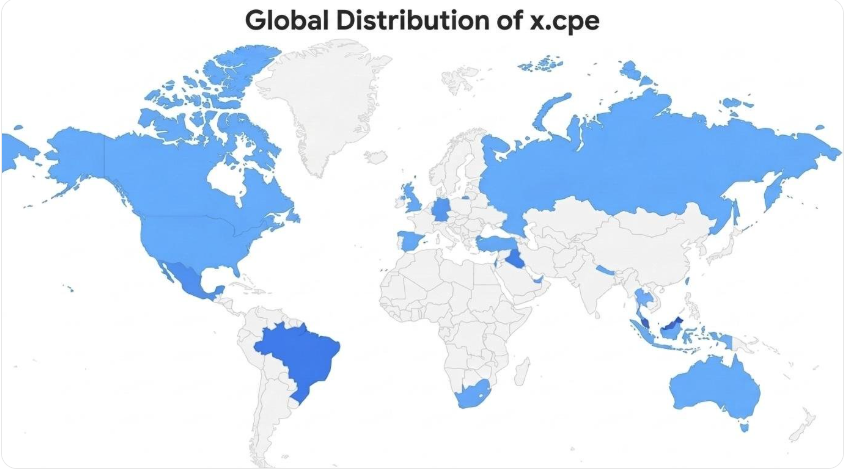
In a significant cybersecurity operation, Google, in collaboration with several industry partners, has successfully dismantled a botnet consisting of over 1.3 million infected Android TV set-top boxes. These devices were allegedly loaded with malicious software designed to covertly rent out the user’s internet connection for illicit purposes, including advertising fraud. Experts believe that this takedown will also disrupt access to more than 10 million other compromised devices, notably targeting other Internet of Things (IoT) products such as healthcare devices and karaoke systems.
Background of the XCPE Botnet
The Google Threat Intelligence Group (GTIG) reported that the botnet, named “XCPE” after a core component of its malware, was largely the result of actions by Videostrong Technology Co., a Chinese TV box manufacturer. The investigation concluded that Videostrong’s devices were responsible for enrolling a substantial number of users into the botnet.
The Mechanics of the Malware
The XCPE malware effectively transformed user devices into proxies, allowing criminal organizations to anonymously operate on the web. This practice poses serious risks, leading to various harmful activities such as account takeovers, advertising fraud, and unauthorized data scraping.
Legal Action and Industry Response
Google has initiated legal measures to eliminate the domains and servers used by Videostrong to manage the botnet and deploy additional malware. The GTIG emphasized the severity of this situation, noting, “A device manufacturer intentionally infecting their users with malware is an unacceptable breach of trust.”
Wider Implications for IoT Security
While the focus was primarily on TV boxes, the malware’s presence extended to various other Android-based IoT devices. This wide-reaching impact underscores ongoing vulnerabilities within the IoT landscape, prompting calls for stricter security measures.
Compliance Challenges for Manufacturers
Despite Google’s strict protocols requiring all Android device manufacturers to comply with security and compatibility tests, Videostrong managed to exploit loopholes, allowing malware to be installed immediately upon device activation. Google has since addressed the identified security gaps.
Connected Proxy Services and Their Role
The GTIG report identified several residential proxy providers linked to the XCPE botnet, including notable names like AppSalt (also known as Honeygain) and NetNut. In prior actions, NetNut had been implicated in operating a separate botnet that also utilized TV boxes as proxies.
Research and Future Outlook
Synthient, a startup monitoring proxy providers, collaborated with Google during the XCPE operation. It previously shed light on the spread of other notable botnets like Kimwolf, which had rapidly compromised millions of devices by exploiting vulnerabilities in residential proxy services. Synthient’s findings suggest that the number of affected devices could be significantly higher than the reported 1.3 million due to diverse distribution channels employed by the affiliates of Videostrong.
Conclusion
The dismantling of the XCPE botnet marks a critical achievement in combating malware and protecting internet users from exploitation. However, cybersecurity experts remain vigilant, emphasizing the need for ongoing scrutiny and improved defenses across all IoT devices to prevent similar occurrences in the future.
