


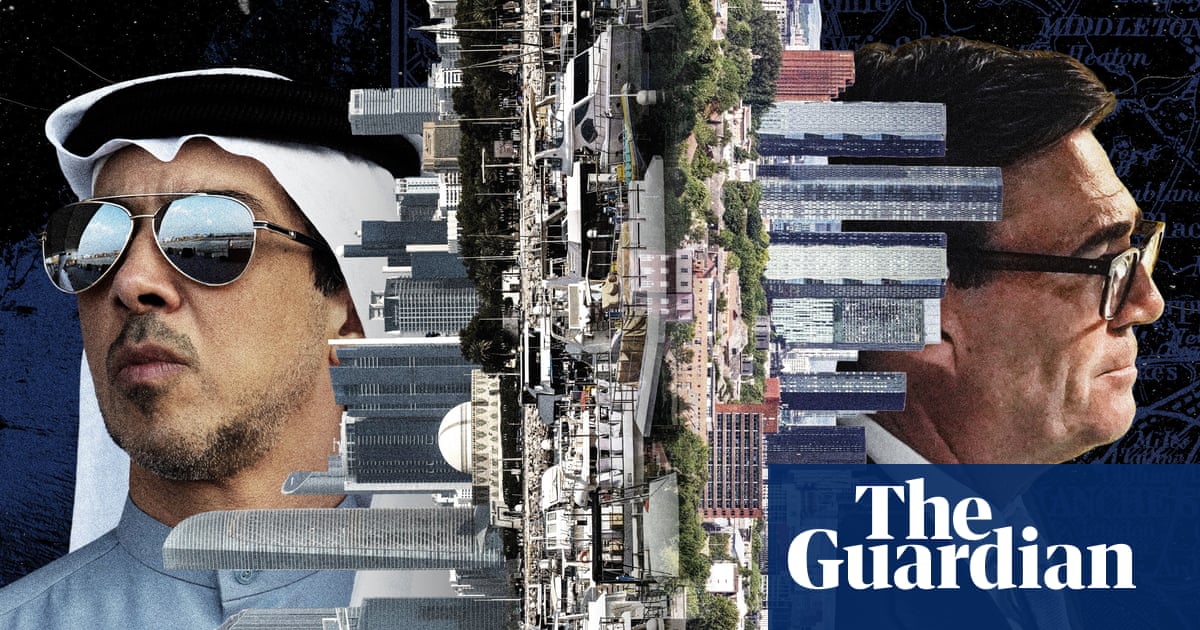
The Transformation of Manchester Through UAE Investments
The political upheaval following the 2011 Arab Spring and the subsequent ousting of Hosni Mubarak in Egypt had ramifications that extended far beyond the Middle East, notably influencing urban development in Manchester, UK. Following Mubarak’s fall, the rising influence of the Muslim Brotherhood under Mohamed Morsi alarmed the United Arab Emirates (UAE), prompting a series of strategic investments in cities like Manchester.
A Shift in Investment Strategy
In light of the UK government’s perceived leniency towards the Muslim Brotherhood, the UAE expressed concerns to officials in London about potential declines in significant arms contracts. As a response, the UK government sought to strengthen its ties with the Gulf state, particularly through investment opportunities that would allow UAE leaders to expand their financial reach in British cities.
Growing Influence in Manchester
The fallout from the Arab Spring led to increased investment from the UAE in Manchester, particularly through Sheikh Mansour bin Zayed al-Nahyan, owner of Manchester City Football Club. Over the last decade, substantial land and property acquisitions by Emirati entities in Manchester have come to light, amounting to areas equivalent to 260 football pitches by 2023. Sheikh Mansour’s portfolio now includes key assets like the UK’s largest indoor arena and luxury residential developments, reshaping parts of the city.
Local Development and its Pitfalls
The partnership between Manchester city council and Abu Dhabi has sparked debates around urban development and social equity. In 2013, a significant £1 billion project named Manchester Life was established, aiming to facilitate residential growth by selling land to Emirati developers for a fraction of its potential value. Official reports reveal that while the project promised 6,000 residential units, only a portion of these homes has been delivered, with critiques pointing to missed targets and inadequate provisions for affordable housing.
The Disparity of Wealth
Adjacent to luxury developments funded by Emirati capital, communities in Manchester experience stark economic contrasts. The emergence of high-end residences coincides with visible poverty in surrounding areas, leading to critiques regarding social equity. Charity organizations like Manchester Central Foodbank report increased demand as prosperity flourishes nearby, raising concerns about growing social divides.
Governmental Relations and Controversies
Questions arise regarding the transparency of the Manchester council’s dealings with Abu Dhabi. Allegations of preferential treatment and financial improprieties have surfaced, notably linked to loans granted by the Greater Manchester Combined Authority to companies associated with Sheikh Mansour. Although the council insists that all investments are above board, scrutiny continues over the terms and conditions governing these arrangements.
A Future of Uncertainty
As Manchester positions itself as a hub of international investment, concerns about the sustainability and ethical implications of this growth persist. The potential ramifications of the recent controversies involving Manchester City FC could impact the stability of Emirati investments in the area. With housing prices soaring and significant portions of the population facing socio-economic challenges, the balance between lucrative partnerships and community welfare remains a critical issue for policymakers.
The Road Ahead
Manchester’s evolving landscape underscores the complexities of globalization and urban regeneration, particularly in an era of global finance and investment. As community stakeholders continue to voice their concerns, the challenge lies ahead for local authorities to ensure equitable growth and sustainable development amidst these foreign investments. The interface of wealth and deprivation presents a pivotal moment for Manchester, where urban progress must align with social responsibility to foster an inclusive future.
