


Gears of War: E-Day Sales Analysis and Future Implications for Xbox
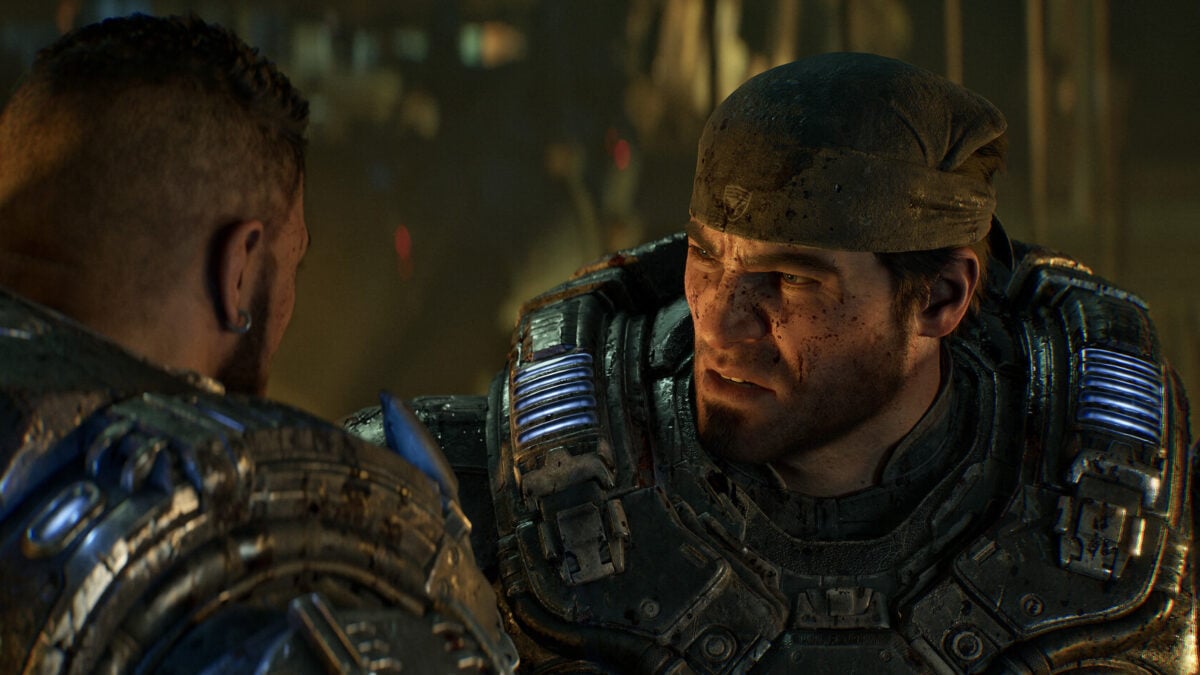
The recently launched Gears of War: E-Day has received critical acclaim, boasting one of the highest Metacritic scores within the franchise since the original Xbox 360 trilogy. Despite the positive reception, preliminary sales figures indicate that the title has not achieved blockbuster success, raising questions about Xbox’s strategy regarding exclusivity and the substantial investment involved in the game’s development.
Budget Concerns and Sales Projections
Speculation regarding the game’s budget surfaced in June during an Xbox showcase, where Tom Henderson from Insider Gaming mentioned figures around $400 million. This estimate was contested by Jez Corden of Windows Central, who pointed out the complexities in attributing costs to The Coalition, given the studio’s support role within Xbox Game Studios.
However, an unnamed source relayed to Kotaku that the actual budget for E-Day may exceed $500 million, excluding marketing costs. This figure places E-Day significantly above the budgets of other high-profile console exclusives released this generation, necessitating millions of copies sold across platforms to offset costs. Alinea Analytics has forecasted disappointing initial sales of approximately 230,000 copies in its first week, translating into only $37 million in revenue—much of which stemmed from Game Pass subscribers opting for the Premium Edition Upgrade.
The Impact of Exclusivity
Unlike its predecessor, Gears 5, which saw over 3 million players within its launch week, Microsoft has yet to disclose player metrics for E-Day. The absence of official sales figures has left some analysts questioning whether the decision to remove the game from the PlayStation 5 ecosystem could have altered its success. Earlier this year, Alinea Analytics estimated that Gears of War: Reloaded, a remastered version of the first title, sold 684,000 copies on the PS5. If E-Day had been available on that platform, it could have accrued an estimated $33 million in additional revenue after accounting for standard platform fees.
The pricing dynamics also play a role: Reloaded retailed at $40, while E-Day is positioned at $70. The initial sales on Steam were pegged at fewer than 100,000 copies, though availability on Game Pass for PC may influence those figures in the future. Nevertheless, projections suggest that revenue generated would likely fall far short of the $500 million figure, leading some industry analysts to categorize E-Day as a significant underperformance for Xbox Game Studios and a broader critique of its business and development strategies over the console generation.
Long-term Strategy Beyond Immediate Sales
Despite the immediate monetary implications, the long-term impact of E-Day being an Xbox exclusive could yield strategic benefits for the platform. As a major fall release, it has the potential to revitalize interest in the Xbox Series X/S, encouraging users to engage with their consoles during a key holiday buying season. This could also serve to bolster overall engagement on the platform as gamers decide on which titles to invest in.
Microsoft’s recent decisions, including the delayed launch of Forza Horizon 6 on the PlayStation 5, indicate a potential refocus on exclusivity. Originally planned for a 2026 release, it has now been pushed to 2027, likely to capitalize on the competitive landscape created by major upcoming titles such as Madden and Grand Theft Auto 6, which influence market choices.
Future Directions for Xbox
There are indications from a leaked Xbox insider survey suggesting that the company may consider further ventures into exclusivity, particularly for its key franchises. The survey investigated user engagement patterns in response to potential exclusivity scenarios, hinting at the future of titles such as The Elder Scrolls and Fallout becoming exclusive to Xbox platforms.
Ex-PlayStation executive Shawn Layden characterized this period for Xbox as a “Dreamcast moment,” emphasizing the need for a decisive approach in positioning Xbox as a competitive platform against PlayStation. Layden articulated the necessity of creating enticing offerings for third-party developers to support Xbox, considering the shifting dynamics of the console market.
As Microsoft evaluates its strategies moving forward, the success or failure of Gears of War: E-Day will likely play a critical role in determining the trajectory of the Xbox brand in an increasingly competitive gaming landscape.
