


Generative AI in Game Development: Controversy at the Independent Games Festival
IGF Jurors Take a Stance Against Generative AI
In a recent statement, some jurors of the Independent Games Festival (IGF) declared that they would abstain from voting for any games that incorporate generative AI technologies. This announcement has sparked considerable debate, particularly in light of the noticeable rise in games using such tools in their development.
The jurors acknowledged that this year’s IGF entries are exceptionally impressive; however, their consensus on the subject of generative AI use remains under scrutiny. They stressed that there lacks a universal agreement regarding AI’s role in the industry and expressed concerns about potential negative consequences stemming from its use.
The Response from House House and Big Walk
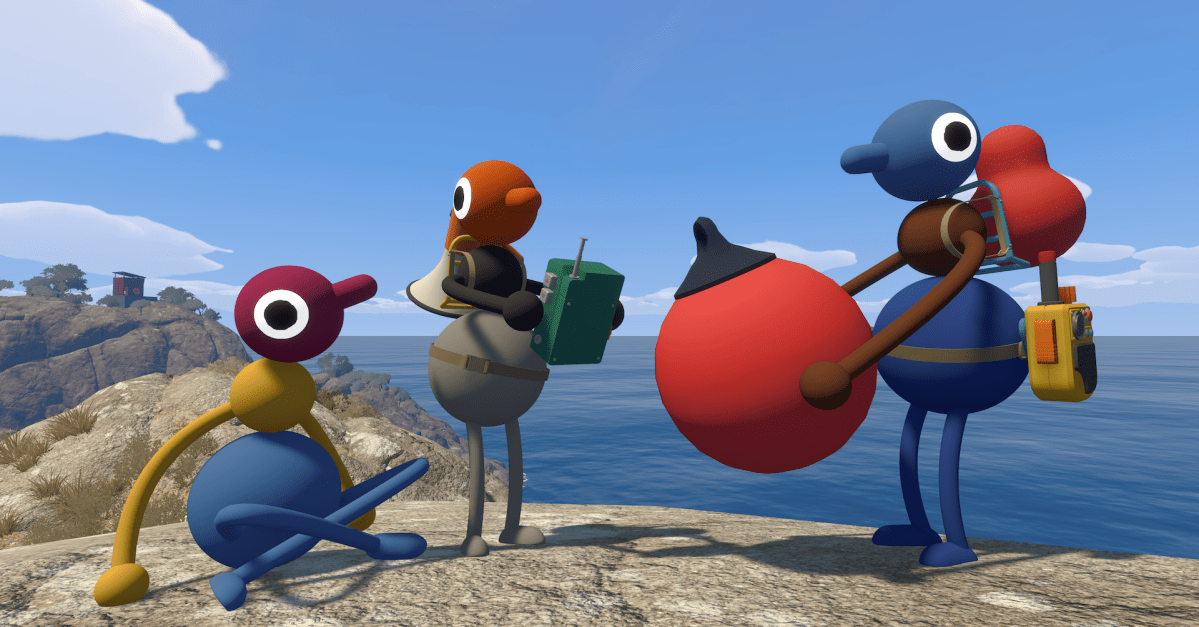
Following the jurors’ announcement, the development team behind Big Walk, a co-op adventure game from the creators of Untitled Goose Game, publicly addressed its use of AI during the latter stages of the game’s production.
House House reported that the integration of AI was minimal, estimating it constituted less than 0.1% of the game’s code. They clarified that while snippets from Large Language Model (LLM) responses assisted in troubleshooting technical challenges, the essence of their development remained largely independent of AI interventions.
Concerns and Transparency Regarding AI Use
The studio explained that its primary application of LLMs involved researching fixes for third-party code issues rather than generating original content. They noted an instance where LLM-suggested solutions helped resolve a problem with shadows in the game, following extensive prior research.
While House House disclosed its AI usage as part of its IGF application, they indicated that the Steam platform does not require such disclosures for game submissions.
The Broader Implications of AI in Gaming
House House expressed their discomfort regarding the normalizing nature of AI use in the industry, stating, “We have some concern that voluntary disclosures like this might contribute to the normalization of this technology, or its treatment as ‘inevitable’.” They acknowledged their support for efforts aiming to mitigate generative AI’s adverse effects on the gaming landscape.
Moreover, the studio admitted that they lacked a formal AI policy during the development of Big Walk, deeming this oversight a “failure” and committing to establishing clearer guidelines moving forward.
Notable Voices in the Debate
Among the jurors who signed the statement are notable industry figures such as Sam Barlow, known for Telling Lies and Immortality, and Lena Raine, recognized for her work on Celeste. They clarified that their collective stance did not reflect the official position of the IGF as an organization, nor did it represent the views of every jury member.
Some jurors have voiced apprehensions about the potential repercussions of signing such statements, highlighting the contentious nature of the discussion surrounding generative AI in game development.
