


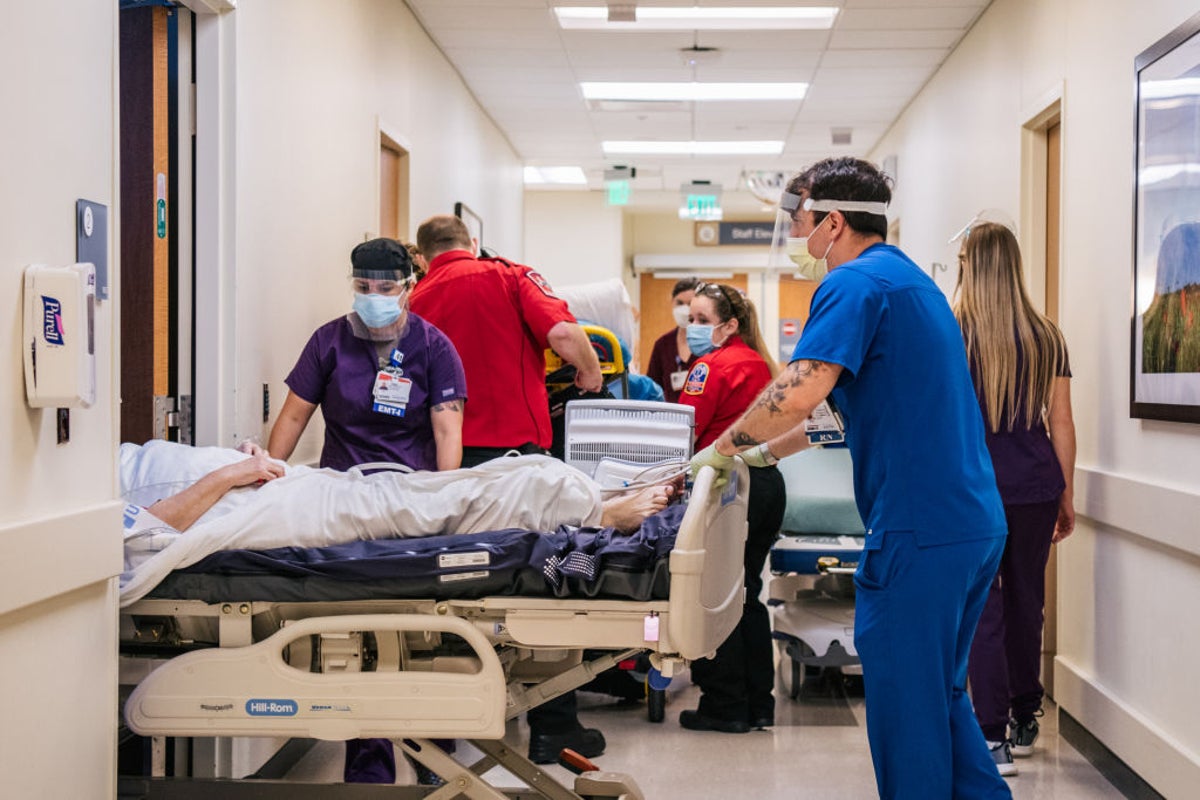
Five Behaviors to Avoid in the Emergency Room
Emergency room visits are often marked by long wait times, high expenses, and significant stress. While the nature of medical emergencies can create a chaotic environment, there are specific behaviors that patients can adopt—or avoid—to ensure a smoother experience for themselves and medical staff. Here are five key behaviors to steer clear of during your ER visit.
1. Bringing Large Groups
While having family and friends for support during a medical emergency is understandable, it is advisable to limit the number of visitors in the emergency room. Registered nurse Karen Selby emphasizes, “Who you bring with you to the ER matters. A calm, supportive companion can make the experience smoother. But bringing large groups into a small treatment space creates noise and chaos, making it harder for staff to work quickly and safely.”
2. Requesting a Second Opinion
Some individuals head to the emergency room seeking a diagnosis after suspecting previous misdiagnoses from other healthcare providers. According to Dr. Robert Myles Riner, “It’s not the role of the emergency department to take someone with a chronic medical problem and try to second-guess all the other providers who have treated this patient.” While it is important to address chronic pain, the ER is not the ideal setting for seeking alternative diagnoses, particularly for ongoing issues.
3. Self-Removing IVs
In an attempt to expedite their discharge, some patients may consider removing their intravenous (IV) lines on their own. This is ill-advised, as dislodging an IV can lead to complications such as infections or damage to blood vessels, which in severe cases can result in heavy bleeding. A study from the National Institutes of Health highlights the risks associated with self-removal of IVs, which can contribute to increased chaos in the ER.
4. Relying on Smartphones
Using a cell phone during an emergency room visit may be tempting for entertainment or communication, but it can hinder patient evaluation. A healthcare professional noted on a Reddit thread, “Please, please, please get off of your damn phone when the nurse comes in to assess you… I’m giving you my undivided attention to determine what is wrong with you, so I would appreciate it if you did the same.” Engaging fully with medical personnel is crucial, especially when experiencing high levels of pain.
5. Exhibiting Aggressive Behavior
It is not uncommon for individuals in stressful situations—like dealing with an injury or the possibility of loss—to become upset or frustrated. However, displaying aggression towards staff or other patients is detrimental. A 2022 study found that many emergency physicians reported instances of physical assault. Selby points out, “Unfortunately, family members and visitors sometimes display verbally or physically aggressive behaviors… This pulls attention away from patients in critical condition and can delay care.” Maintaining decorum is essential for everyone’s safety in the ER.
In summary, being considerate and respectful in the emergency room can significantly improve the experience for patients and healthcare workers alike. By being mindful of these behaviors, you can contribute to a more efficient and calm ER environment.
