


Tinubu Proposes Key Legislative Reforms in Nigeria
October 12, 2026
Introduction of Executive Bills
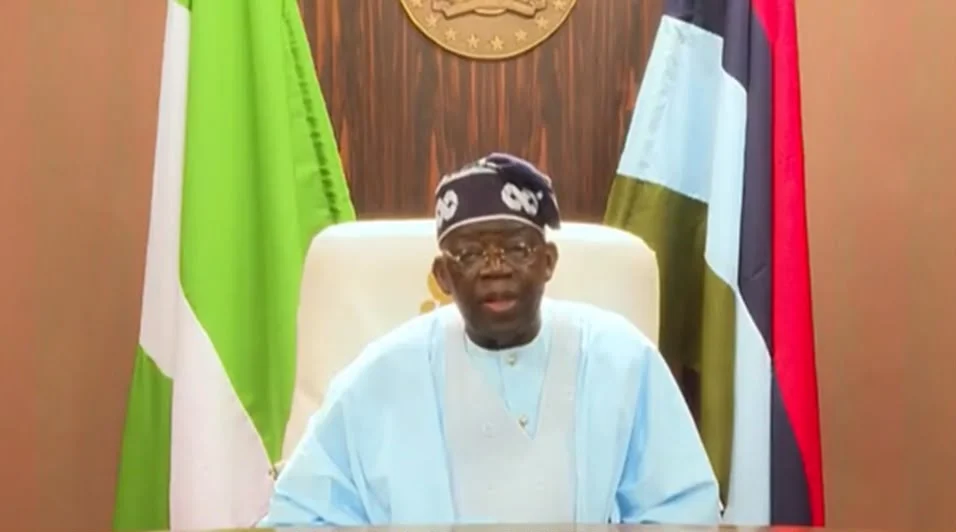
Nigerian President Bola Tinubu has submitted three significant executive bills to the House of Representatives, aimed at enhancing the legal framework for drug law enforcement, expanding the mandate of the Nigerian Safety Investigation Bureau (NSIB), and establishing a National School of Government. These proposals were presented in separate letters during a House plenary session on October 12, 2026.
Details of the Bills
1. National Drug Law Enforcement Agency (NDLEA) Bill
The NDLEA Bill seeks to overhaul the current legislation governing drug law enforcement in Nigeria by repealing the existing National Drug Law Enforcement Agency Act and the Indian Hemp Act. This consolidation aims to create a unified legal framework for combating drug-related crimes, including cultivation, trafficking, and usage of hard drugs. It aims to afford the NDLEA enhanced investigative powers over suspected drug-related offenses.
2. Nigerian Safety Investigation Bureau (NSIB) Bill
This bill proposes an amendment to the NSIB Establishment Act, expanding the agency’s jurisdiction beyond aviation incidents. Under the new framework, NSIB would operate as a multimodal safety investigation authority, encompassing investigations across rail, maritime, and other transportation occurrences. This shift also requires supervisory oversight to be transferred to the presidency, aiming to fortify the bureau’s operational and administrative independence.
3. National School of Government Bill
To replace the Administrative Staff College of Nigeria, this bill seeks to establish a National School of Government dedicated to enhancing leadership development and public service capacity. The proposed institution will focus on fostering executive abilities among public officials and improving policy implementation within government frameworks.
Legislative Process Ahead
The transmission of these bills to the National Assembly marks the beginning of a legislative review process which will include comprehensive examinations by pertinent committees. These reforms presuppose legislative approval and must adhere to constitutional requirements before they can be enacted into law.
Conclusion
President Tinubu’s introduction of these three bills signifies a pivotal moment for Nigeria’s legal framework in drug law enforcement, transportation safety investigations, and governmental executive training. If passed, these reforms could have substantial implications for public safety, drug management, and the effectiveness of government leadership.
