


Trump Reshapes White House Team Following Midterm Setbacks
In the wake of the Republicans’ significant defeat during the recent midterm elections, President Trump initially adopted a surprisingly subdued tone, suggesting a willingness to collaborate with Democrats, particularly on the contentious issue of immigration.
Pivotal Leadership Changes
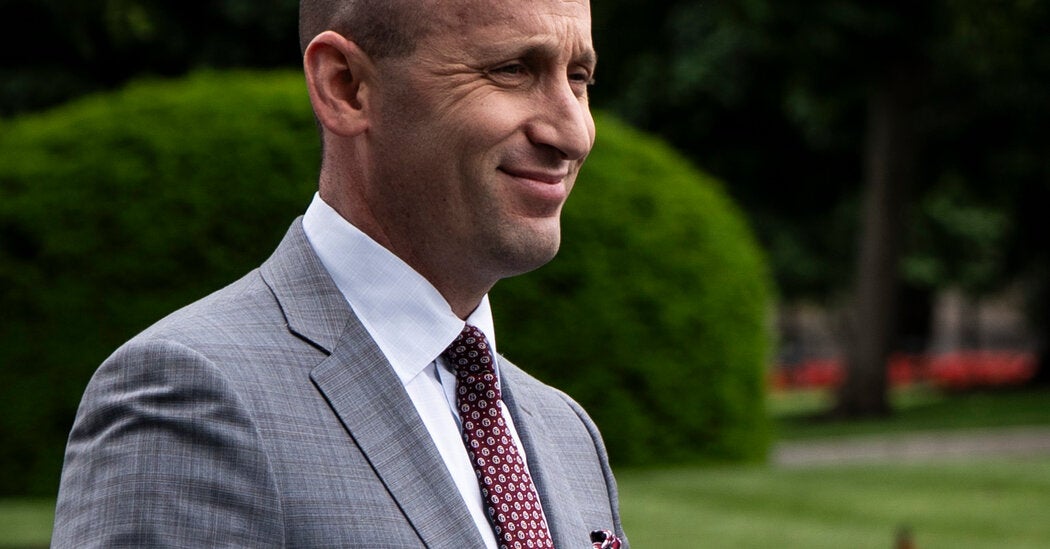
As the week progressed, however, Trump shifted away from this conciliatory stance, embracing a more hardline approach. On Friday, he dismissed Susie Wiles from her position as White House chief of staff, appointing Stephen Miller, the former deputy chief of staff, as her successor. This transition highlights Trump’s commitment to a robust “Make America Great Again” (MAGA) agenda.
Miller, known for advocating a forceful use of executive power, is recognized for instigating some of the administration’s most assertive policies, including strict immigration enforcement and military interventions deemed necessary to combat perceived threats.
Strategic Direction Moving Forward
The promotion of Miller sends a clear message regarding Trump’s approach in the final two years of his presidency. It emphasizes a determination to continue pursuing aggressive conservative policies despite the electoral backlash. Miller’s presence will likely elevate contentious political battles, particularly with an empowered Democratic Congress poised to investigate the administration.
On social media, Miller hailed Trump as “the most transformative political leader” in U.S. history, asserting the urgency of defending the administration and its objectives. Close associates of Miller assert that he is not inclined to seek compromises with congressional Democrats and is preparing for an escalating political struggle.
Assessing the Shift in Advisers
Trump’s decision to replace Wiles marks a significant pivot in his inner circle, reflecting broader strategic imperatives in light of the midterm elections. While Wiles, the first woman in the chief of staff role, had been instrumental in Trump’s return to power, her departure underscores a shift towards a team aligned more closely with Trump’s original MAGA principles.
Despite earlier assurances of Wiles’ security in her role, Trump’s frustrations about midterm performance and issues with perceived loyalty led to this decisive change. Critiques of Wiles have included accusations regarding communication failures and criticisms about not adequately addressing “leakers” within the administration.
Wiles’ Contributions and Future
In her farewell remarks, Wiles acknowledged her time in the White House as a transformative experience and promised her ongoing commitment to Trump’s mission. Notably, she maintained a strong rapport with the president and sought to influence policy decisions throughout her tenure.
Her contributions included advocating for key appointments within the administration, although Trump largely relied on his own judgment throughout this term. The dynamics of the current White House suggest that Trump’s approach to governance may increasingly prioritize advisors who align with his original campaign strategies.
Conclusion
The reshuffling of Trump’s senior staff signals a strategic realignment post-midterm, indicating a shift to a more confrontational posture against congressional Democrats and reinforcing the MAGA agenda as he gears up for the 2024 elections. The implications of these changes on both domestic policy and political strategy will unfold over the next critical years.
