


DOJ Charges Six with Voter Fraud in California Ahead of Midterms
The U.S. Department of Justice (DOJ) in California has escalated its efforts to combat alleged voter fraud by charging six additional individuals as the midterm elections approach. This action marks a continuation of the federal government’s scrutiny of electoral practices in California.
Details of the Charges
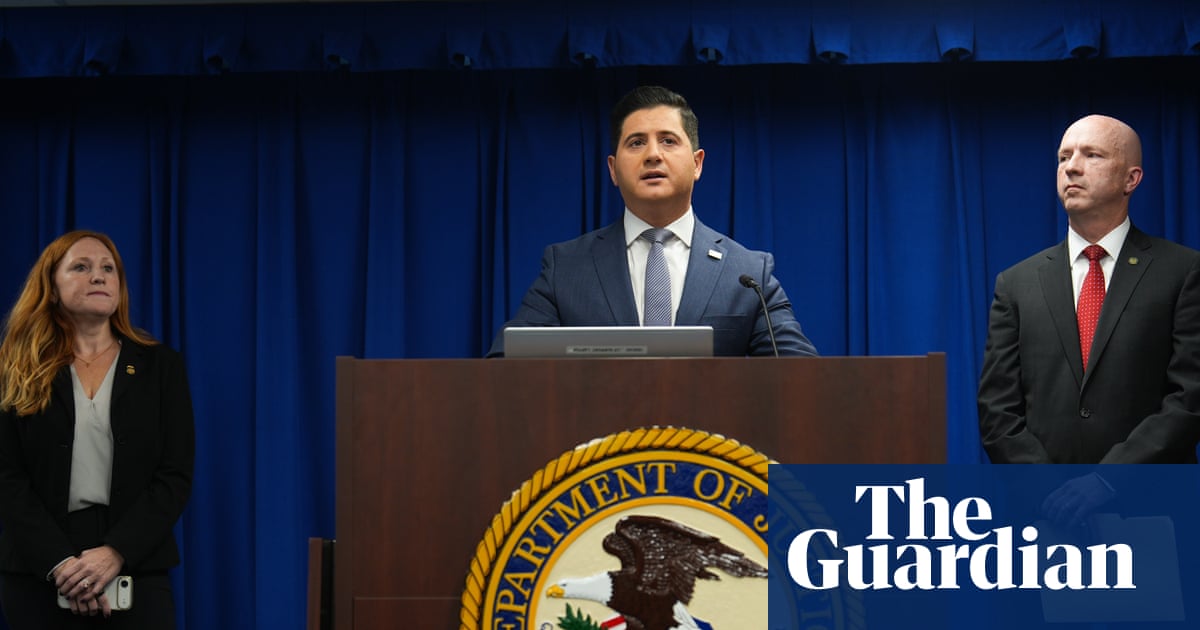
On Monday, Bill Essayli, the U.S. Attorney for the Central District of California and an ally of the former president, announced the charges against these six individuals, all of whom are lawful permanent residents, commonly known as green card holders. These individuals are accused of unlawfully registering to vote and casting ballots. This latest development follows similar charges brought against 28 individuals in California last month.
Legal Implications for the Defendants
Each of the six defendants faces a single charge of making false statements during the naturalization process. They allegedly indicated that they had never registered to vote when, according to affidavits, they did so unlawfully in prior elections. While they allegedly participated in voting, no specific charges have been leveled against them for casting fraudulent votes.
- Defendants originate from a diverse array of countries, including Mexico, Israel, the Philippines, Canada, and Iran.
- Five of the six individuals have already been apprehended by authorities.
- The potential penalty for each defendant includes a maximum sentence of five years in prison.
Context of the Legal Actions
The DOJ’s recent lawsuits aim to compel California election officials to invalidate approximately 20,000 ballots that prosecutors claim may have been submitted by noncitizens. Election officials in California have expressed concerns regarding the DOJ’s methods and the reliability of the information presented. They argue that complying with the DOJ’s demands is not only impractical but risks disenfranchising eligible voters.
Legal and Political Reactions
This aggressive approach has drawn criticism from multiple judges who have labeled the DOJ’s actions as unconstitutional and detrimental to democratic processes. On the other hand, federal authorities maintain that they must act to ensure the integrity of the electoral process.
According to Essayli, these recent arrests further justify their assertion that ballots should be scrutinized for potential voter fraud. However, immigrant rights groups monitoring the situation claim that a significant portion of those flagged by the DOJ do not appear on the state’s voter rolls, challenging the validity of the DOJ’s approach.
Error Rates and Intervention Threats
County election officials have reported systemic errors in the lists provided by the DOJ, complicating their ability to respond adequately. Furthermore, the DOJ has issued threats of criminal prosecution against officials responsible for processing ballots deemed fraudulent. This has prompted pushback from the judiciary, including a recent rebuke against the DOJ for its coercive tactics.
Conclusion
As the DOJ continues its legal campaign against purported voter fraud in California, the implications for electoral integrity and voter rights remain under scrutiny. The situation underscores the tensions between federal oversight and state election administration, raising crucial questions about the balance of maintaining electoral integrity without inhibiting legitimate voter participation.
