


Empowering Women in the UAE: A Model for the Arab World
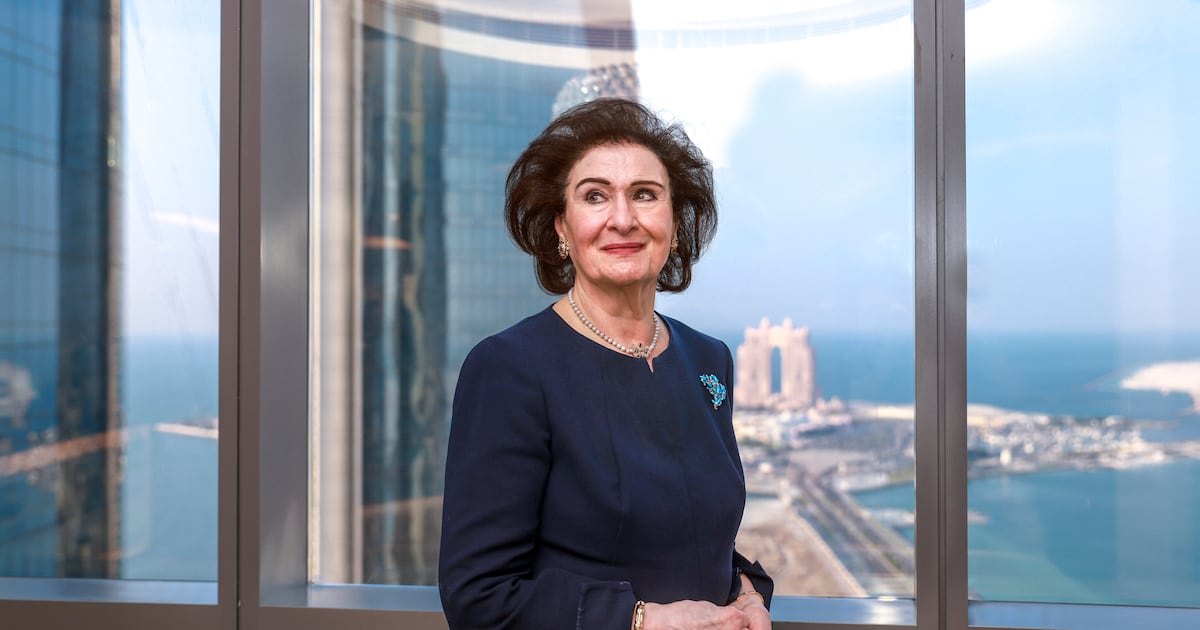
The United Arab Emirates (UAE) is setting a benchmark for female empowerment across the Arab region, as highlighted by Haifa Al Kaylani, a leading advocate for women’s economic participation. Al Kaylani, who is considering making the UAE her permanent residence, is the founder and president of the Arab International Women’s Forum (AIWF).
UAE’s Commitment to Women and Youth
According to Al Kaylani, the UAE’s strong commitment to nurturing the roles of women and youth positions it as a model for other countries in the region. She explains that countless women in many Arab nations still face significant challenges related to employment and economic opportunities.
In an interview with The National, she emphasized the UAE’s international perspective and multicultural community, mirroring her vision of an Arab world integrated into the global stage. “I’m proud to be an Arab with three roots: Palestinian, Lebanese of Palestinian descent, and Jordanian by marriage,” she stated. “But above all, the whole Arab world is in my heart. And I’m also a global citizen.”
About the Arab International Women’s Forum
Founded in London in 2001, the AIWF is dedicated to enhancing women’s leadership and economic involvement, alongside promoting the contributions of youth to socio-economic development. The forum aims to connect women across the 22 Arab nations and foster ties with the global community. Al Kaylani affirmed, “We are not an Arab region that is on an island by ourselves. We are part and parcel, and an important part and parcel of the global community.” She was recognized with an OBE in 2024 for her contributions to women’s empowerment, youth affairs, and cultural relations.
Partnerships and Initiatives
The UAE has impressed Al Kaylani with its initiatives aimed at empowering women and young people. The AIWF has collaborated on various projects, including memorandums of understanding with entities such as the Women in Sustainability, Environment and Renewable Energy platform at Masdar, NYU Abu Dhabi, and Al Ain University. These partnerships support initiatives like the Emirati Women Achievers Initiative and women’s entrepreneurship education at Al Ain University.
Four Emirati women have served on the AIWF board since its inception, including Sheikha Lubna Al Qasimi, the UAE’s first female minister, showcasing the forum’s commitment to representation and leadership.
Current Trends and Challenges
Al Kaylani notes that progress for women varies across the Arab world due to differing cultural contexts. She highlighted that young Arab women are excelling in STEM (science, technology, engineering, and mathematics) fields at rates surpassing their European counterparts; however, educational achievements do not always lead to employment. “We need stronger ties between academia and industry,” she emphasized.
Addressing the economic landscape, Al Kaylani pointed out that the private sector is crucial for job creation. “When women prosper, families and communities also prosper,” she stated, underscoring the necessity for support across all aspects of life.
Addressing Wider Societal Issues
Al Kaylani also shed light on the critical humanitarian needs in Gaza, stating, “It is a shame on humanity to be watching on our screens the acute suffering of the people of Gaza.” She called for immediate assistance for those affected by the ongoing conflict and highlighted the vital role of women in rural sectors, emphasizing their contributions to food security amidst challenges like climate change and water scarcity.
The Path Forward
Al Kaylani advocates for peace as a prerequisite for economic growth, asserting that conflict deters investment and stability. “Money runs away, investments run away from areas of conflict,” she asserted, urging investors to recognize the region’s potential. “All the Arab region is rich in resources,” she concluded, encouraging a focus on cultivating these assets for a prosperous future.
As new technologies such as artificial intelligence emerge, they present opportunities but also challenges regarding resource consumption. Al Kaylani remarked, “With every opportunity, there do come some challenges,” emphasizing the importance of finding the right balance.
