


Mitochondrial Proteins: Uncovering New Avenues for Treatment
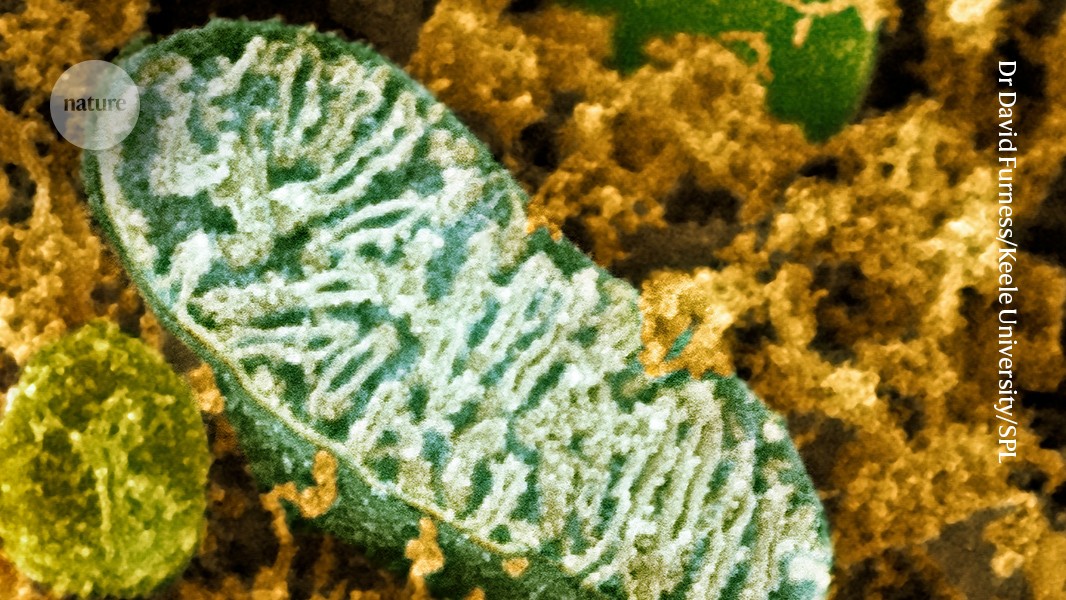
The protein catalogue gives a dynamic picture of the mitochondria, beyond what was known from humans and yeast. Credit: Dr David Furness/Keele University/SPL
Recent studies have provided a comprehensive mapping of mitochondrial proteins across six distinct organisms—five single-celled parasites and one plant—offering an unparalleled view into the evolution and functionality of these essential organelles.
Significant Findings in Mitochondrial Research
The revelations, detailed in nine separate studies published in reputable journals including Cell and Molecular Cell on October 1, highlight a variety of mitochondrial proteins previously unknown in humans but shared among these parasites. This research holds the potential to pave the way for innovative treatments for diseases like malaria and sleeping sickness.
The Dual Nature of Mitochondria
Often referred to as the powerhouse of eukaryotic cells, mitochondria are crucial for energy production and possess their own DNA, distinct from that found within the cell nucleus. Vamsi Mootha, a leading mitochondrial biologist at the Howard Hughes Medical Institute, emphasizes that much of the existing knowledge about mitochondria primarily stems from research conducted in humans and yeast.
By inspecting the mitochondrial proteins across various branches of the eukaryotic tree, researchers have unveiled a plethora of proteins that could indicate previously unexplored biological pathways.
A Focus on Parasites
Mootha’s research team targeted the proteome of notable parasites, including Giardia lamblia, which affects approximately 280 million individuals globally each year and is infamous for causing gastrointestinal disorders. Studying Giardia is particularly challenging due to its anaerobic lifestyle within the intestinal tract of hosts, as noted by cell biologist Pavel Doležal of Charles University in Prague.
In their analysis, the team identified 59 mitochondrial proteins within G. lamblia, which included 27 previously uncharacterized proteins. Remarkably, the function of 34 of these proteins remains unknown, suggesting the possibility of undiscovered metabolic processes.
Creating a Robust Mitochondrial Database
By aggregating the mitoproteomes of the six studied organisms with established data from humans and yeast, the researchers compiled a database encompassing 8,619 mitochondrial proteins classified into 3,199 distinct families. Notably, 43% of these families have not been documented in the extensive Pfam protein database, with 33 families of proteins common among eukaryotic pathogens but lacking equivalents in humans.
Mootha suggests that these unique proteins could serve as ideal drug targets, potentially leading to therapeutic interventions that specifically target pathogenic proteins while sparing human counterparts.
Investigating the Origins of Mitochondria
The prevailing scientific consensus posits that mitochondria originated around two billion years ago through a process called endosymbiosis, where an archaeal cell engulfed a bacterium that eventually evolved into the mitochondrion, offering the host cell a valuable energy source.
