


Understanding the Midterm Elections: Key Stakes and Implications
By David Smith
The Structure of U.S. Congress
The United States Congress consists of two chambers: the House of Representatives and the Senate. Both chambers play a crucial role in the legislative process, requiring agreement to pass federal laws and oversight of the executive branch.
Members of the House of Representatives are elected every two years, meaning all 435 voting positions are up for grabs at each election. In contrast, the Senate, comprising 100 members, has staggered six-year terms, with approximately one-third of its seats contested every two years.
Key Contests in the 2026 Midterms
- House of Representatives: All 435 seats are contested, with Republicans defending a narrow majority and Democrats needing a net gain of four seats to take control.
- Senate: 35 seats are up for election, including 33 standard elections and two special elections in Florida and Ohio to fill unexpired terms. Democrats need four additional seats to gain a majority in the Senate.
- Governorships: Voters will select governors across 36 states and three U.S. territories, significantly influencing state-level policies.
- State Legislative and Local Elections: Numerous state legislative seats and local offices, alongside ballot measures on diverse issues such as taxation, reproductive rights, and voting regulations, are also on the ballot.
The outcomes of these elections will shape the legislative landscape during the last two years of President Trump’s second term, affecting key areas like education, taxation, and election administration.
Historical Context of Midterm Elections
Historically, midterm elections tend to favor the opposition party. In fact, in 18 of the past 20 midterm elections since 1946, the incumbent president’s party has lost seats in the House, translating to a punishment cycle for the party in power during midterms.
Election Day Updates
In the early hours of election day, Guam reported election results that showcased a significant shift, with Republicans gaining control of the governorship. Meanwhile, Democrats managed to secure the nonvoting congressional delegate position, highlighting shifting dynamics in traditional voting patterns.
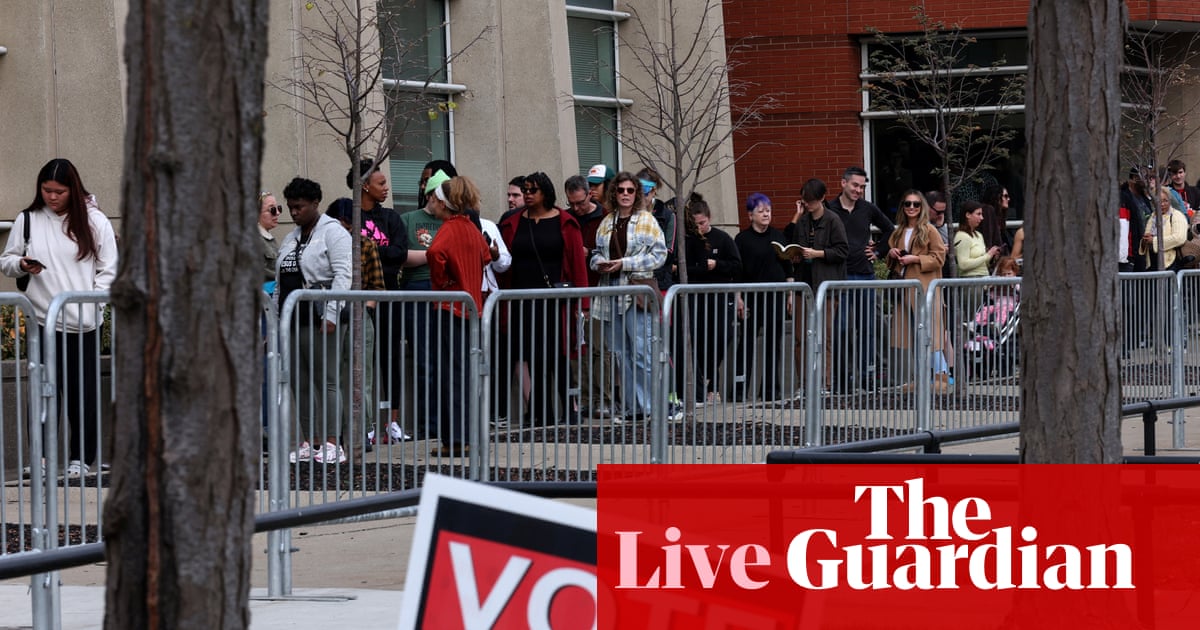
On the ground in various states, voter turnout has been notable, particularly in Minneapolis, where early voting appears to have reduced apprehension among the electorate. Observers at polling stations reported a calm atmosphere with community support ensuring those casting votes felt safe and empowered.
Voter Concerns and Motivations
As voters head to the polls, various issues dominate the discourse. In Ohio, gubernatorial candidates focused on personal attacks and campaign controversies, while discussions in Georgia revolved around the economy, government efficiency, and perceived moral degeneration within leadership.
Amid concerns regarding affordability and social issues, candidates in states like Iowa and Kansas expressed direct priorities that resonated with local constituents, demonstrating how the midterms are influenced by highly localized issues and voters prioritizing governance based on personal and community needs.
Expectations for the Future
As the results from across the country begin to unfold, many anticipate that the outcomes of these midterms will lay the groundwork for future legislative priorities and help define the political landscape leading into the next presidential election cycle.
