


The Rise of Custom Synth Firmware: A New Era in Music Production
Introduction to Custom Firmware
The world of synthesizers, samplers, and grooveboxes is experiencing a noteworthy transformation driven by the increasing availability of custom firmware. Traditionally, the development of such firmware was a complex and time-consuming process, requiring expert-level knowledge and significant effort. However, the introduction of more advanced coding tools has made it accessible to a larger community of enthusiasts.
Advancements in Technology
In the past, adding simple features such as velocity sensitivity to devices like the Korg Volca could take weeks, if not months. Now, thanks to innovative tools and a community of hobbyist developers, enthusiasts are capable of enhancing modules like the Temu synth within days, expanding their creative potentials significantly.
Notable Instruments Benefiting from Custom Firmware
Several popular devices have recently been transformed by custom firmware. Among these are:
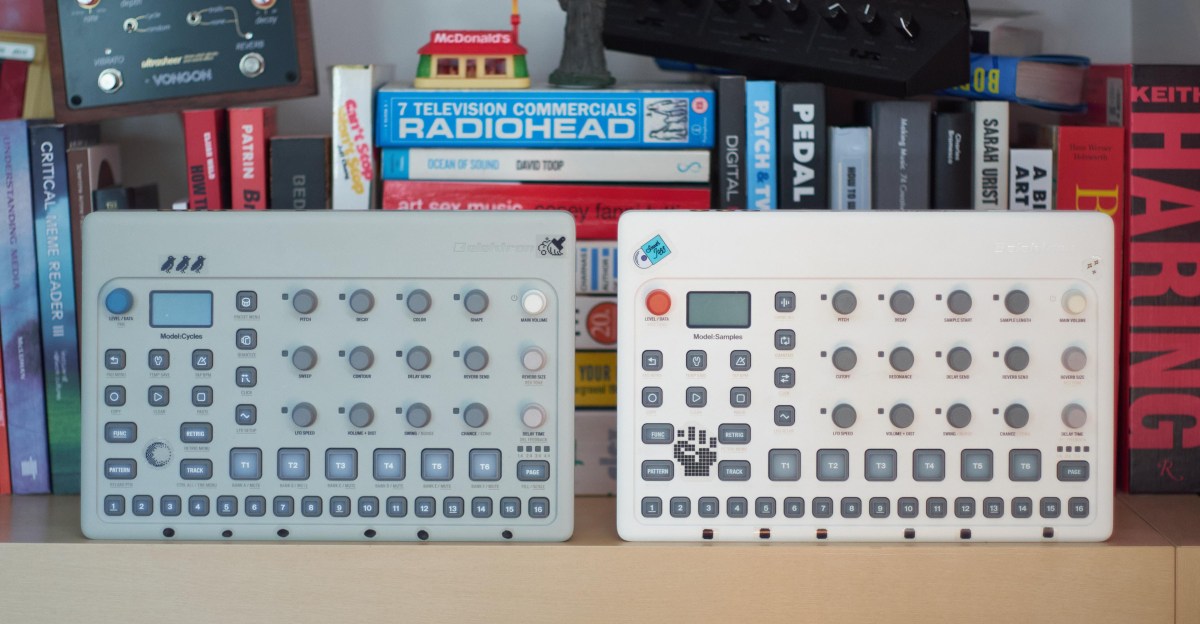
- Elektron’s Model:Cycles and Digitone
- Roland’s SP-404 MKII
- Akai’s MPC Live and MPC One
- Novation’s Circuit and Arturia’s MicroFreak
This surge has even reached vintage hardware like the MPC 2000 and Zoom’s Multistomp pedals, demonstrating that both newcomers and long-held gear are experiencing revitalization.
The M-Vave FM-1: A Case Study
A standout example of this trend is the M-Vave FM-1, a cost-effective Yamaha DX-7 clone. Initially popular for its affordability and effective recreation of FM synthesis, it has now seen an influx of custom firmware options, each enhancing its capabilities. Notably, AI tools are actively involved in this development, pushing the limits of what this synthesizer can achieve.
Community-driven Development
Developers like Roman Rusinov, known online as themanro, have taken it upon themselves to tap into the potential of older hardware. Focusing on the Zoom MS-70CDR, Rusinov utilized techniques from the reverse-engineered ZDL project to craft a new firmware that enabled complex functionalities, thereby breathing new life into the device.
Challenges and Company Responses
The rapid pace of firmware development brings about certain risks; modifications can lead to unstable systems if not properly tested. Companies like Elektron have responded to custom firmware by warning users against modifications that might void warranties or lead to devices becoming inoperable. Conversely, some manufacturers, including M-Vave, are actively embracing this trend by releasing open-source firmware to encourage user innovation.
The Future of Synths and Vibe Coding
As new modifications and firmware releases appear almost daily, the landscape for synthesizer enthusiasts is continually evolving. Whether users seek unique functionalities or aim to breathe new life into older instruments, the community appears eager to explore these possibilities. This process not only enhances individual hardware but also fosters a collaborative spirit amongst creators.
