


Trump Administration Investigates Visa Abuse in U.S. Universities and Tech Companies
The Trump administration has intensified its scrutiny of the J-1 visa program, particularly focusing on the practices of prestigious universities and prominent technology firms. This move aims to address concerns regarding potential abuses of international work and study visas.
Investigation Targets Major Institutions
On Thursday, the White House announced the initiation of investigations into several leading universities, including Stanford, California Institute of Technology (Caltech), and the University of California, Davis. Officials are particularly examining whether these institutions have misused the J-1 visa program to recruit international scholars and students for research roles, potentially sidelining American candidates.
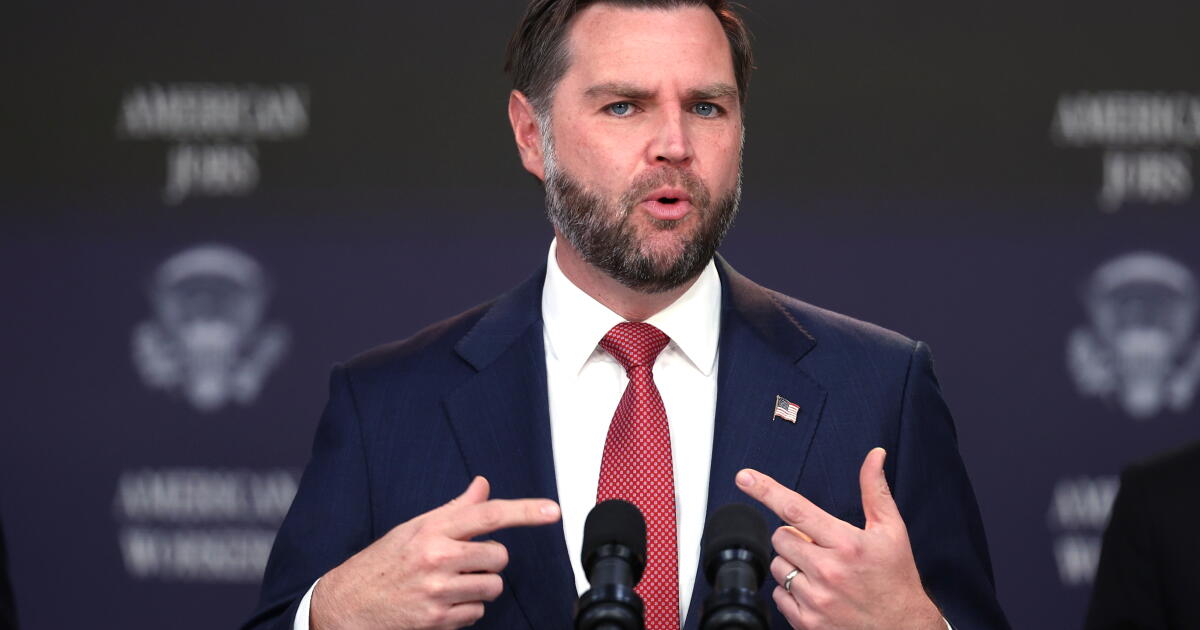
Vice President JD Vance expressed concern regarding the excessive reliance on the J-1 visa, arguing that it enables universities to bring in foreign researchers and students who could be taking opportunities away from Americans. He stated, “They are using these visas way too much. They are using them to undercut the wages of American grad students and American researchers, and it simply has to stop.” Harvard, Yale, and MIT are also included in the investigation’s scope.
Restrictions on Tech Companies
The administration has imposed restrictions on how tech giants, including Microsoft and Adobe, sponsor their foreign employees through the H-1B visa program, which is critical for attracting skilled labor. The announcement specifies a suspension of these companies’ applications for green cards for H-1B visa holders aiming for permanent residency.
Vance specifically criticized Microsoft, accusing it of abusing labor certification processes and hiring international talent at lower wages, which he claims displaces American workers. “There’s been no company, unfortunately, in the United States that has abused this system more than Microsoft,” he stated.
Impact on the H-1B Visa Landscape
The changes come against the backdrop of longstanding reliance by American technology firms on the H-1B visa program to fill skill gaps. Critics have labeled it as vulnerable to manipulation, raising concerns about its integrity.
For instance, Microsoft defended its use of the H-1B program, noting that 80% of its applications last fiscal year were for existing employees rather than new hires, comprising only 1% of its U.S. workforce. According to U.S. Citizenship and Immigration Services, last year, Microsoft was the third largest recipient of H-1B visas, with more than 6,200 approvals.
Potential Consequences for International Students
The investigation’s announcement is expected to have broader implications, particularly for international students looking to study and work in the U.S. This year, the Department of Homeland Security suggested changes to visa policies that could further restrict international student access, although judicial challenges have temporarily halted these modifications.
Experts anticipate that the administration’s initiatives may discourage international students from pursuing education in the U.S., which could lead to a notable decline in foreign enrollment. In 2025, J-1 program participation fell from 301,694 to 275,000, with a sharp decline in new research scholar arrivals.
Reactions from the Educational Sector
Responses from affected universities indicate a commitment to compliance with visa regulations. A spokesperson from Stanford stated that the university adheres to applicable visa laws and is prepared to cooperate with government inquiries, while UC Davis echoed this sentiment, emphasizing its focus on federal compliance.
Concerns from industry professionals highlight the importance of international talent to innovation and economic growth. Devashish Mitra, an economics professor at Syracuse University, remarked, “It’s only going to probably hurt some companies and hurt the best and the brightest that are coming here.”
Conclusion
The current developments reflect a significant shift in how the U.S. government is addressing immigration and labor policies regarding international skilled workers. As investigations unfold, the balance between protecting American jobs and fostering an inclusive environment for global talent remains a critical topic of discussion.
