


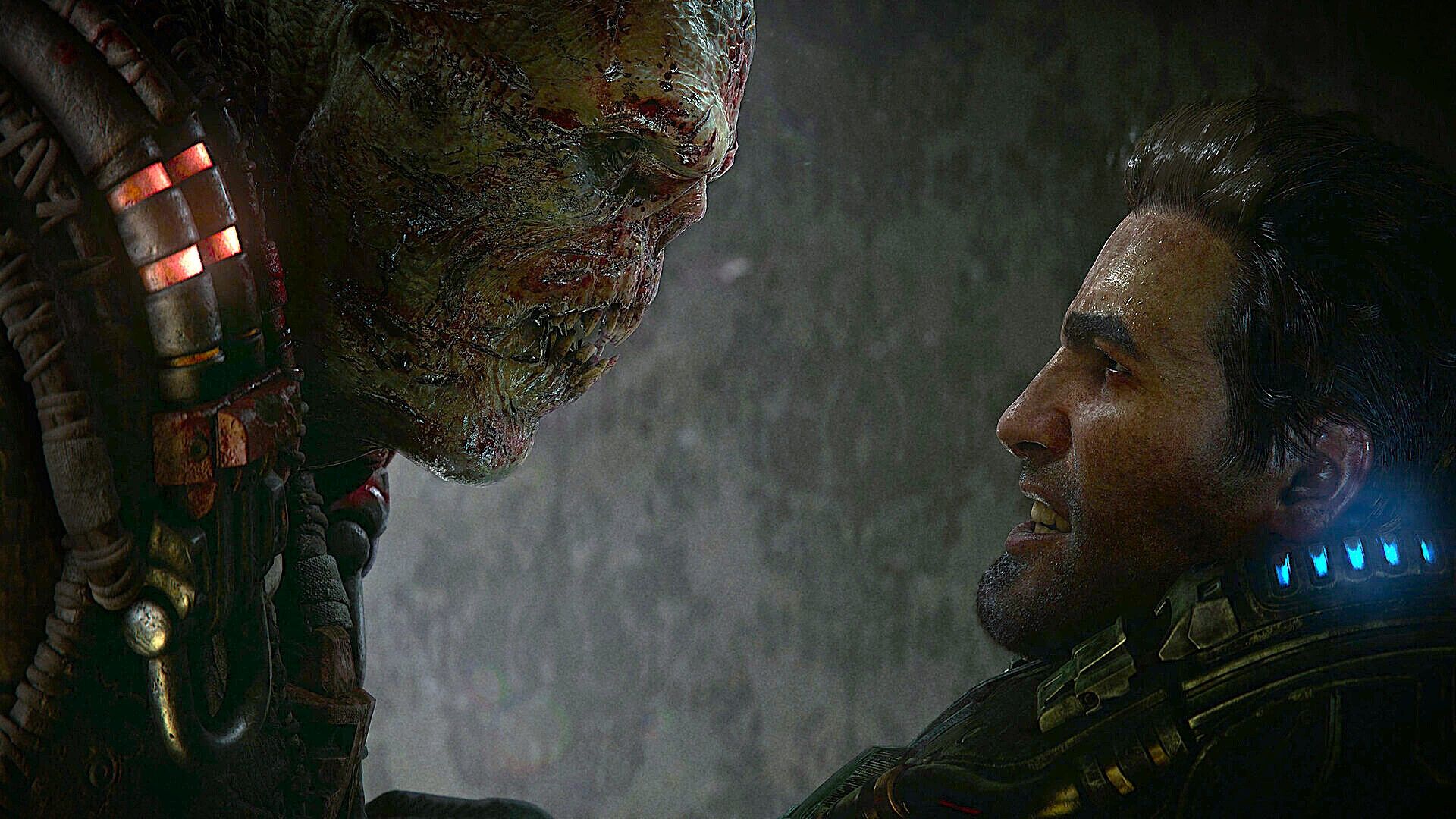
Analyzing Gears of War E: Day: Budget and Sales Discourse
The latest release in the Gears of War franchise, E: Day, has ignited debates concerning its production budget and sales performance. Claims of a staggering $500 million investment alongside reports of 400,000 retail copies sold have led to heated discussions, particularly regarding fan accountability and the expectations of Xbox gamers.
Understanding the Production Budget
The $500 million figure often cited in media discussions encompasses more than just the game’s direct development costs. As specified by Derek Reese, former Senior Product Manager of Xbox Game Creator Services, a significant portion of this budget originates from operational expenses related to their proprietary Unreal Engine. This technical burden is comparable to the costs incurred by other studios managing complex game engines, illustrating that the figure cannot be simplistically interpreted as just the game’s development costs.
Subscription Models and Consumer Spending
The role of Xbox Game Pass Ultimate cannot be overlooked in evaluating E: Day’s sales. With a monthly subscription of approximately $22.99, users effectively pre-pay for their gaming lineup, which questions the rationale behind expecting them to purchase games at full retail prices as well. Financial expectations from players must consider the economic model of subscription services, as the Game Pass system allows players to experience major titles without traditional sales metrics impacting their enjoyment.
Data on Consumer Behavior
Interestingly, Xbox President Sarah Bond noted during legal proceedings that Game Pass subscribers tend to spend 20% more on gaming compared to non-subscribers. This finding suggests that the subscription model does not equate to passive gaming consumption, but rather fosters greater overall spending within the ecosystem.
Market Dynamics and Competition
The implication that Xbox users should prioritize new releases amid an incredibly competitive market adds complexity to their purchasing decisions. The launch period for E: Day coincided with multiple heavyweight titles, making it impractical to assume that a singular game could achieve groundbreaking sales figures against such competition. Furthermore, the Game Pass offering presents a lower-cost alternative for many consumers, enticing them to choose subscription access over single game purchases.
Shifts in Retail Strategy
The traditional $70 SKU model for Xbox first-party titles has experienced drastic changes, evolving into a scenario where add-on purchases and subscription services are becoming the norm. This shift reflects broader consumer trends toward seeking value in gaming expenditures rather than obeying outdated retail pricing practices. Players might have engaged significantly with the $30 Premium Edition Upgrade available through Game Pass, highlighting their willingness to invest in additional content.
Long-Term Exclusivity Strategies
The broader discussion around console exclusivity also merits consideration. Expectations for E: Day to revive sales momentum can be viewed as unrealistic given the prolonged shift in consumer habits and brand loyalty. Shifts in game strategy require time to mature, demanding consistent, appealing offerings to rebuild player confidence in the Xbox brand over time.
A Cautionary Note on Market Perception
If Microsoft misinterprets early sales data for E: Day as a failure of its exclusive strategy rather than a consequence of an evolving gaming landscape and subscription focus, it opens the door to potentially misguided pivots in their strategy. Future titles must cultivate a narrative that affirms their value within the marketplace without resorting to knee-jerk reactions. A strategic focus on sustaining long-term exclusivity with critical franchises like The Elder Scrolls 6 can aid in recalibrating consumer perspectives.
Ultimately, understanding the relationship between game budgets, sales strategies, and consumer behaviors in a subscription-driven era is essential for both gamers and developers seeking to navigate the complexities of modern gaming economics.
