


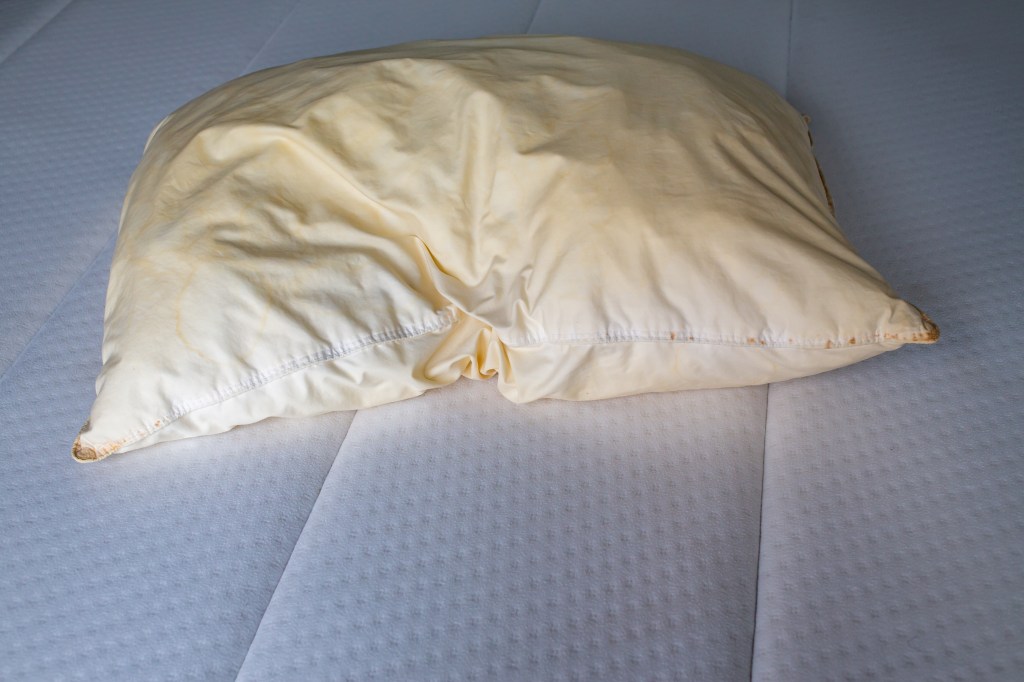
Understanding Yellow Pillow Stains: Causes, Effects, and Maintenance
The Transformation Underneath Your Pillowcase
Although consistent washing of your bedding is crucial, various substances can still penetrate pillowcases, leading to unsightly yellow stains on pillows. These stains result from the accumulation of perspiration, skin oils, and even products like moisturizers and makeup over time.
What Contributes to Yellow Pillow Stains?
According to board-certified dermatologist Dr. Shamsa Kanwal, the primary culprits behind yellowing pillows are:
- Sweat
- Natural skin oils
- Saliva
- Dead skin cells
- Moisture from damp hair
These elements gradually seep through the pillowcase and into the pillow itself. Furthermore, sebum and sweat undergo oxidation when they come into contact with air, enhancing the yellowing effect, especially for those who sweat during sleep.
The Impact of Pillows on Skin Health and Allergies
Your pillow can contribute to skin issues, particularly if you use styling products. The American Academy of Dermatology (AAD) indicates that oils found in hair products can lead to clogged pores, resulting in breakouts on areas like the forehead and neck. Washing your bedding regularly and reconsidering certain hair care products can help mitigate these concerns.
For individuals with eczema, the cleanliness of your pillow can play a role in managing symptoms. Research reviewed by the National Eczema Association indicates that increased levels of Staphylococcus aureus, a type of staph bacteria, can exacerbate eczema flare-ups.
Moreover, those allergic to dust mites should pay attention to their pillows. Dust mites thrive in warm, humid environments like bedding, where their allergens can trigger respiratory allergies. The AAD recommends washing bedding weekly and investing in dust-mite-proof pillow covers for effective protection.
Tips for Keeping Your Pillow Clean
To maintain pillow hygiene, Dr. Kanwal suggests the following:
- Wash pillowcases at least once a week, especially if you have oily skin or use multiple hair and skin products.
- Consider using a washable pillow protector that adds an extra layer against moisture and residue.
- Apply skin products at least an hour before sleep to reduce the chances of transfer onto the pillowcase.
- Allow your hair to dry completely before bedtime to minimize moisture trapped against the pillow.
- Follow the care instructions for your pillow when washing, ensuring it is thoroughly dry before replacing the case.
When to Replace Your Pillows
The Sleep Foundation recommends replacing pillows every one to two years, though individual circumstances may dictate sooner replacement, particularly if the filling becomes uneven or flattened. Waking up with neck pain or discomfort, combined with noticeable yellowing, strongly indicates that it may be time for a new pillow.
While there’s no strict threshold for stains that deem a pillow unsafe, the presence of yellow patches and signs of wear can guide your decision-making on replacement. Establishing a routine of washing pillowcases and utilizing protectors can help prolong the lifespan of your pillows.
