


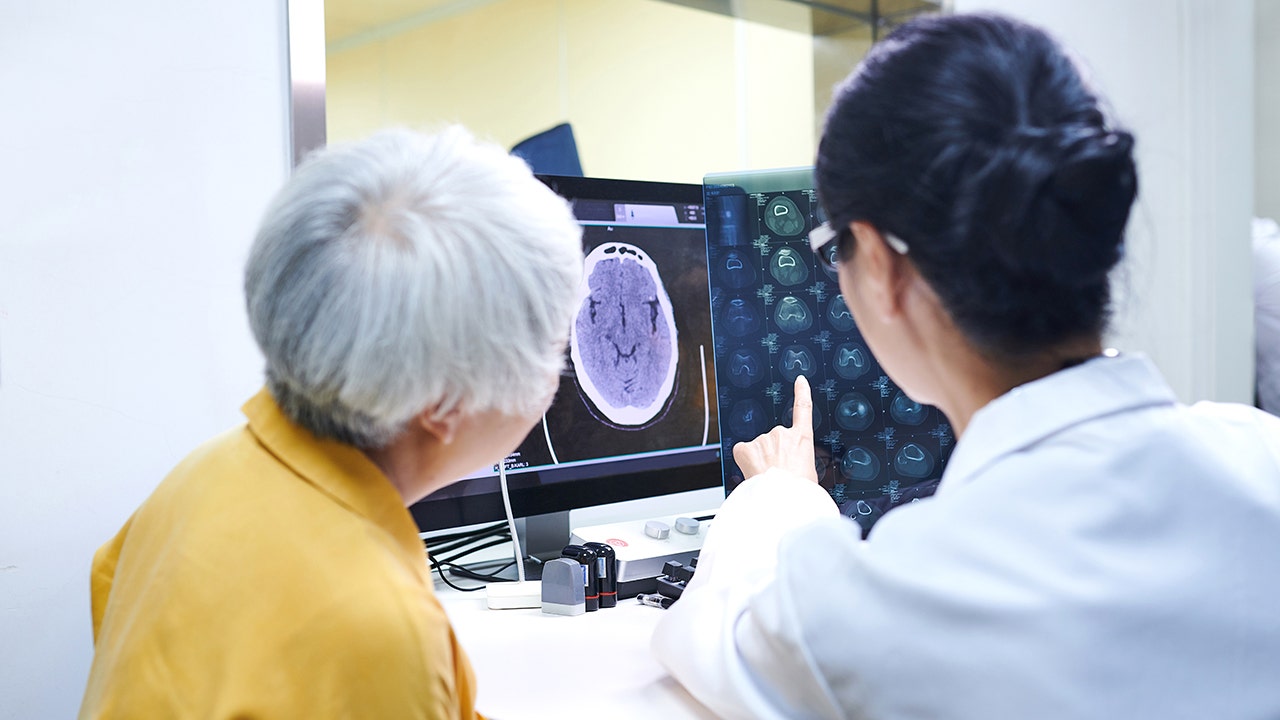
The Future of Healthcare: Can AI Replace Doctors?
As technology rapidly evolves, a pressing question arises in the healthcare sector: Could artificial intelligence (AI) revolutionize the role of doctors? Recent developments have positioned AI as a significant player in diagnostics, with some healthcare systems considering its use in critical areas such as cancer screening. However, experts remain divided on whether AI will complement or ultimately replace the human touch that doctors provide.
AI’s Role in Diagnostics
Microsoft’s introduction of its MAI Diagnostic Orchestrator (MAI-DxO) has sparked considerable interest in the medical community. This innovative AI system functions similarly to a panel of specialists reviewing challenging medical cases. Instead of jumping to conclusions with limited data, MAI-DxO begins with basic symptoms, prompts further inquiries, and assesses which tests are necessary for accurate diagnosis. This iterative process allows the AI to refine its conclusions based on new evidence.
Impressive Study Results
A study published on October 22 in the journal Science illustrated the potential of Microsoft’s AI system. In testing with 304 complex medical cases, MAI-DxO achieved an accuracy rate of 83%, significantly higher than the 36% accuracy of generalist physicians who relied on reference materials. This performance raises compelling possibilities for future diagnostic practices.
Simulation vs. Real World
Despite the promising results, experts caution against jumping to conclusions. The study was conducted in a simulated environment and did not include specialists working collaboratively, which is common in real medical scenarios. Furthermore, the selection of cases presented to physicians was narrower than those evaluated by the AI.
Importance of Human Touch
While AI shows great promise in improving diagnostic accuracy, it is essential to recognize the limitations. The nuances of patient interaction—such as understanding complex symptoms, emotional support, and personalized treatment plans—cannot be overlooked. Dr. Marc Siegel, a Senior Medical Analyst at Fox News, emphasizes that AI should serve as an enhancement to human physicians, not a replacement.
Potential Cost-Saving Benefits
Microsoft’s AI solution also holds the potential to reduce medical costs. In comparison to physicians, who on average estimated diagnostic costs of $4,725 per case, MAI-DxO achieved approximately $2,241 using a cost-efficient method while maintaining high accuracy levels. The efficiency of AI could lead to more judicious use of resources in hospitals.
Future Developments
Looking ahead, Microsoft is preparing to test the MAI-DxO system in real hospital environments, specifically through a partnership with Beth Israel Deaconess Medical Center in Boston. During these studies, patient care will remain under the purview of human doctors, ensuring safety and oversight as AI is integrated into clinical practice.
The Road Ahead: Opportunities and Challenges
As healthcare continues to evolve with technological advancements, it is crucial to balance innovations such as AI with the invaluable human elements of medical care. Ensuring that patients remain informed and included in their healthcare decisions will be paramount as AI technologies develop. Microsoft projects broader applications of AI in medical reasoning and patient care, but extensive independent evaluations will be necessary to ensure reliable patient outcomes.
Conclusion
In conclusion, while AI showcases remarkable capabilities in diagnostics and offers potential cost reductions, the irreplaceable value of human interaction in healthcare remains crucial. AI technology, if utilized correctly, may serve as a powerful tool for doctors, ultimately enhancing patient care without overshadowing the essential role of medical professionals.
