


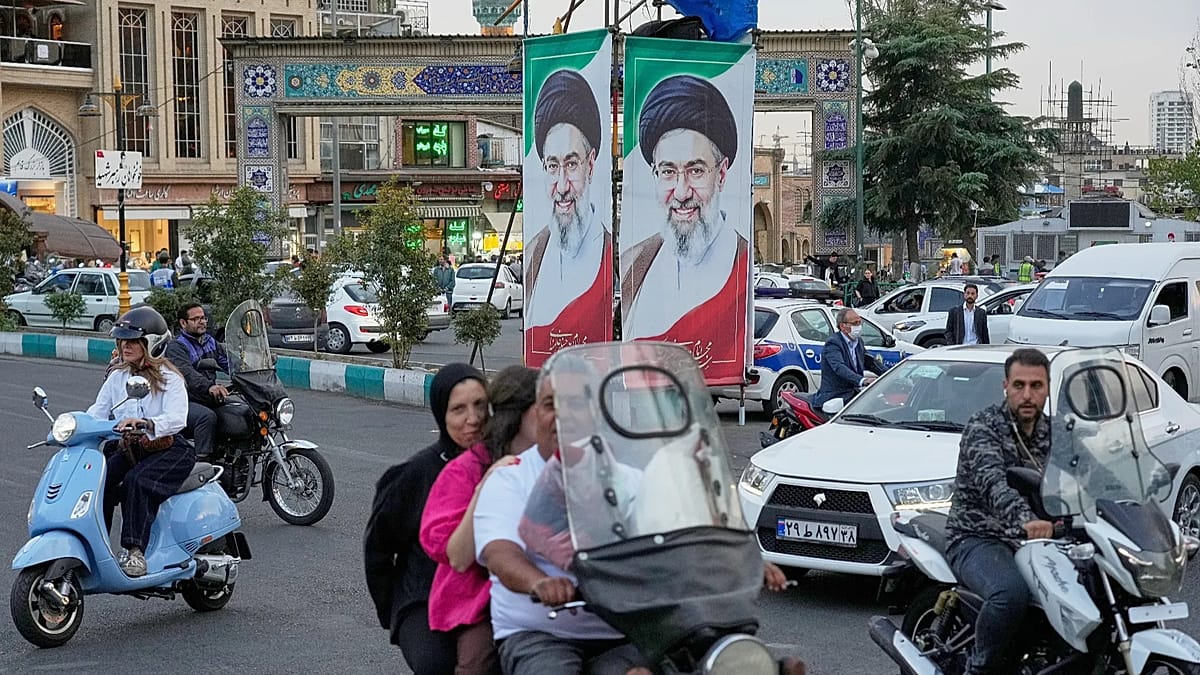
Khamenei’s Warning and Diplomatic Efforts Amidst Regional Tensions
In a significant escalation of rhetoric, Iranian Supreme Leader Ayatollah Mojtaba Khamenei has issued a stark warning, stating that “any level or type of threat must be met with an immediate, impactful, and geographically unrestricted response.” This declaration reflects the heightened tensions in the Middle East as diplomatic initiatives strive to avert an all-out war implications that could reverberate through the region and beyond.
Military Readiness Amid Diplomacy
Khamenei’s remarks come against the backdrop of ongoing diplomatic discussions, with Iranian Foreign Minister Abbas Araghchi emphasizing the need for rationality in negotiations to dodge further conflict. Highlighting Iran’s enhanced capabilities, Araghchi stated, “drawing on the experiences of the past two wars, we are much stronger than before.” Meanwhile, Khamenei convened with high-ranking military officials, issuing directives that prepare for potential military actions from the United States and Israel, as reported by the Iranian news agency IRNA.
Potential for Conflict Expansion
The possibility of a “geographically unrestricted response” indicates that Iran could target not only its immediate adversaries but also nations such as Turkey and countries in the South Caucasus, should hostilities escalate again. This expansive interpretation of threats suggests a shift in Iran’s military stance, potentially allowing for preemptive actions against perceived aggressors.
- Khamenei has directed military officials to update target lists including both physical and non-physical assets of the U.S. and Israel.
- The Iranian supreme leader affirmed that Iran would dictate the terms and duration of any military confrontation.
Responses from the Gulf Region
Amid this volatile climate, Gulf nations remain on edge. There is speculation regarding the possibility of renewed conflict and the ongoing state of negotiations, with Gulf states experiencing economic strain due to persistent instability. The UAE’s presidential adviser, Anwar Gargash, expressed concerns at a recent conference in Bahrain, stating that while the Gulf remains “braced for the worst,” there is hope for a diplomatic resolution through mediation efforts, particularly from Qatar.
Shifting Diplomatic Landscape
While Iranian officials maintain a defiant posture, there are hints of progress in negotiations with the U.S. Araghchi indicated that Tehran could expedite the reopening of the Strait of Hormuz from a previously suggested week to just two days if U.S. conditions are met. These include lifting of sanctions and releasing frozen assets.
Indications of Dialogue
A recent letter from U.S. Vice President JD Vance has sparked discussions of renewed diplomatic efforts, with Iranian officials suggesting a positive shift in tone. Both Araghchi and Major General Mohsen Rezaei have acknowledged the necessity of negotiating terms while insisting any future maritime traffic in the Strait will be managed under Iranian oversight.
Regional Security Concerns
Compounding these dynamics, Qatar condemned an attack on one of its LNG tankers, labeling it a dangerous act that undermines maritime safety and global energy security. This incident underscores the fragility of regional stability amid growing military tensions.
As the situation develops, the effectiveness of diplomatic efforts will be pivotal in determining whether peace can be achieved in the region or whether the specter of war will loom large once again.