


Windows 11 Enhancements: Improved Performance for 8GB RAM Devices
With the increasing cost of RAM affecting the market, many Windows laptops now start with 8GB of RAM, a shift from the previous norm of 16GB in systems under $800. This change has raised concerns about performance, especially in resource-intensive environments. However, Microsoft has recently made strides to improve the functionality of Windows 11 on these devices.
Memory Management Improvements
Earlier this month, Pavan Davuluri, Microsoft’s Executive Vice President of Windows and Devices, announced significant advancements in Windows 11 aimed at optimizing the experience for users with 8GB RAM configurations. In his blog post, he stated, “Windows is now up to 20% more responsive, and multitasking is up to 40% faster in our lab tests.”
One of the key changes pertains to how Windows manages memory. When available RAM runs low, the operating system traditionally paged some data out to the storage drive, which is considerably slower than RAM. The latest enhancements allow Windows to retain up to an additional 2GB of active data in memory, reducing the need for data to be transferred back and forth to slower storage options.
Real-World Testing
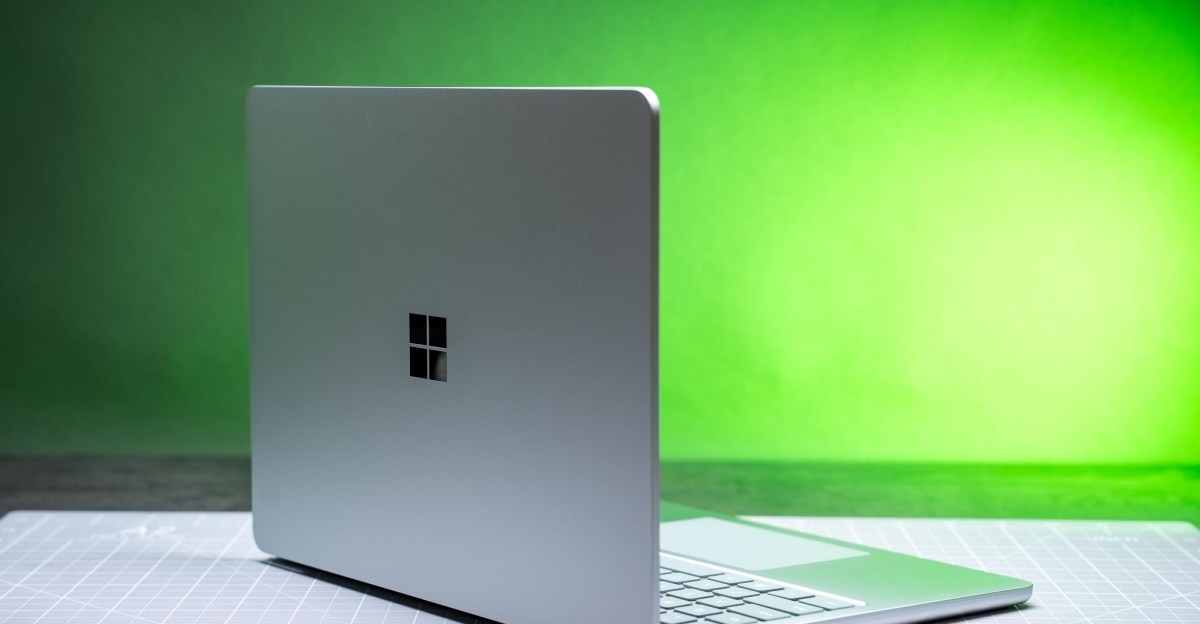
The improvements were put to the test using a Microsoft-owned Surface Laptop equipped with 8GB of RAM. Initial testing with the previous version of Windows 11 revealed that the system struggled under a heavy workload, such as running multiple browser tabs while streaming high-definition content. Users experienced significant slowdowns, often having to refresh browser tabs due to memory constraints.
After updating to the latest Windows 11 build (version 26H2, build 26300.9974), users reported a noticeable decline in performance issues. Operating with over 30 active browser tabs while streaming the same high-resolution video showed much better management of memory resources. Tasks were still slower compared to devices with larger RAM but were largely manageable without significant lag and interruptions.
Performance Metrics
- Hard faults (the rate at which the system retrieves data from storage) dropped significantly from about 29,000 per second to under 300 during normal operations.
- Switching from Google Chrome to Microsoft Edge improved responsiveness and further reduced hard faults during multitasking sessions.
Conclusion
The recent updates to Windows 11 have made it more feasible for individuals to operate efficiently with 8GB of RAM, which is particularly pertinent given the current market dynamics affecting hardware specifications. While Microsoft’s efforts have led to tangible improvements, users are still encouraged to consider devices with 16GB of RAM for long-term performance sustainability in more demanding computing scenarios.
As noted by Davuluri, while Microsoft continues to address the demands placed on memory by modern applications and workflows, the ongoing challenge of balancing feature enhancements with system resource availability remains a critical focus.
For further insights, please refer to Microsoft’s official announcements and performance benchmarks.
