


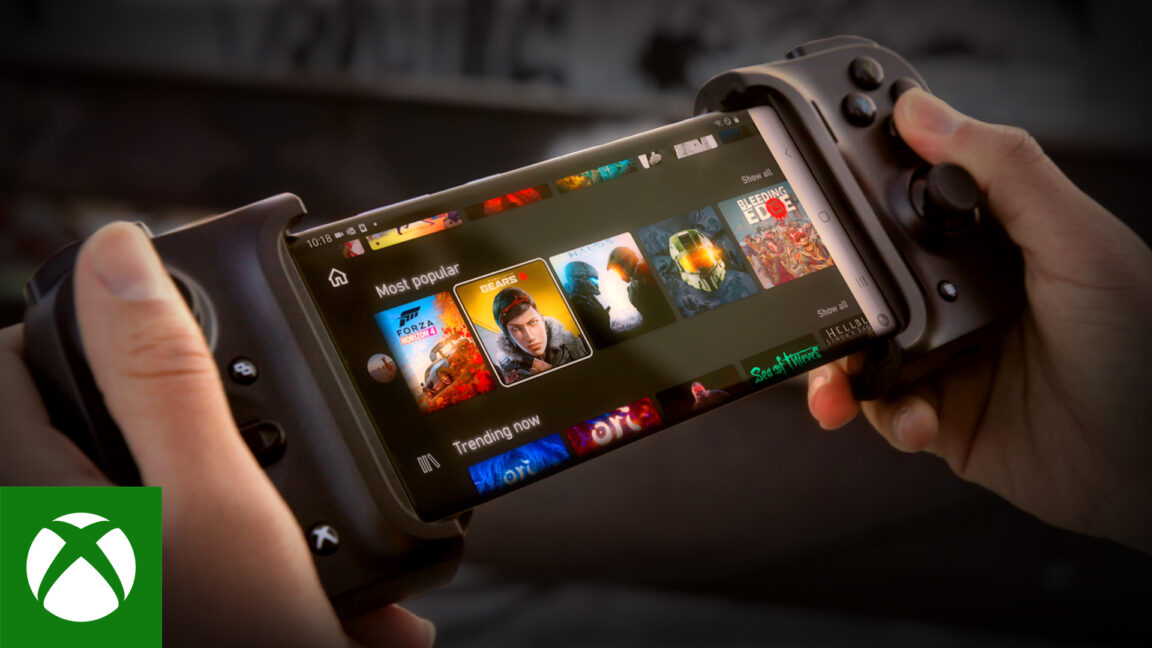
Microsoft Launches A La Carte Cloud Playtime for Xbox Insiders
In September, Microsoft announced significant changes to its game-streaming offerings for Game Pass subscribers. Non-subscribers can now purchase “Cloud Playtime hours” via the Xbox Store, allowing them to stream eligible games on supported devices. This new feature is currently available for Xbox Insiders, but the pricing model has raised eyebrows among gamers who have already invested in these titles.
Pricing Structure
The introductory prices for Cloud Playtime are set as follows:
- 10 hours of playtime for $4 (approximately $0.40 per hour)
- 25 hours for $8 (around $0.32 per hour)
- 50 hours for $12 (about $0.24 per hour)
Microsoft assures users that purchased playtime will remain available until fully utilized, eliminating concerns about expiration.
Comparing Old and New Models
This pay-as-you-go approach is reminiscent of classic arcade experiences, where players would spend small amounts for limited playtime. However, the current gaming landscape largely favors all-inclusive purchases, providing a more comprehensive gaming experience for a one-time fee.
While the cost of approximately $0.24 per hour for streaming may seem reasonable at first glance, it’s essential to consider these charges in conjunction with the initial cost of the game itself. The Cloud Playtime option differs from the Xbox Game Pass, which offers streaming access to a vast library of games as part of its subscription model, rather than charging gamers additionally for streaming capabilities.
Contextualizing Cloud Playtime
Microsoft’s Cloud Playtime model stands apart from previous services like Google Stadia, which allowed unlimited streaming for purchased games but limited download options for local play. The failure of Stadia has resulted in significant scrutiny of streaming platforms, especially since that service’s closure in 2022 rendered purchased titles unplayable, albeit with refunds provided to users.
Conclusion
As Microsoft rolls out its Cloud Playtime feature, gamers are encouraged to assess the value it offers in relation to their existing library and gaming habits. With prices that echo the nostalgia of arcades but require upfront game purchases, this new model may redefine how players consider cloud gaming.
