


The Impact of the Iran War on American Forces and Families
Financial and Human Costs of the War
The Pentagon estimates the financial cost of the Iran War at approximately $47 billion. However, the profound human toll has been felt most acutely by the families of service members, particularly the 23 who lost their lives and over 800 who have been injured.
The Initial Assault
In a revealing investigation featured on CBS News’ 60 Minutes, the destruction caused by a surprise attack on U.S. positions in the Middle East was highlighted. In the opening hours of conflict, an Iranian drone strike targeted an army command post in Kuwait, resulting in the deaths of several American service members, including Master Sgt. Nicole Amor.
Voices of the Fallen’s Families
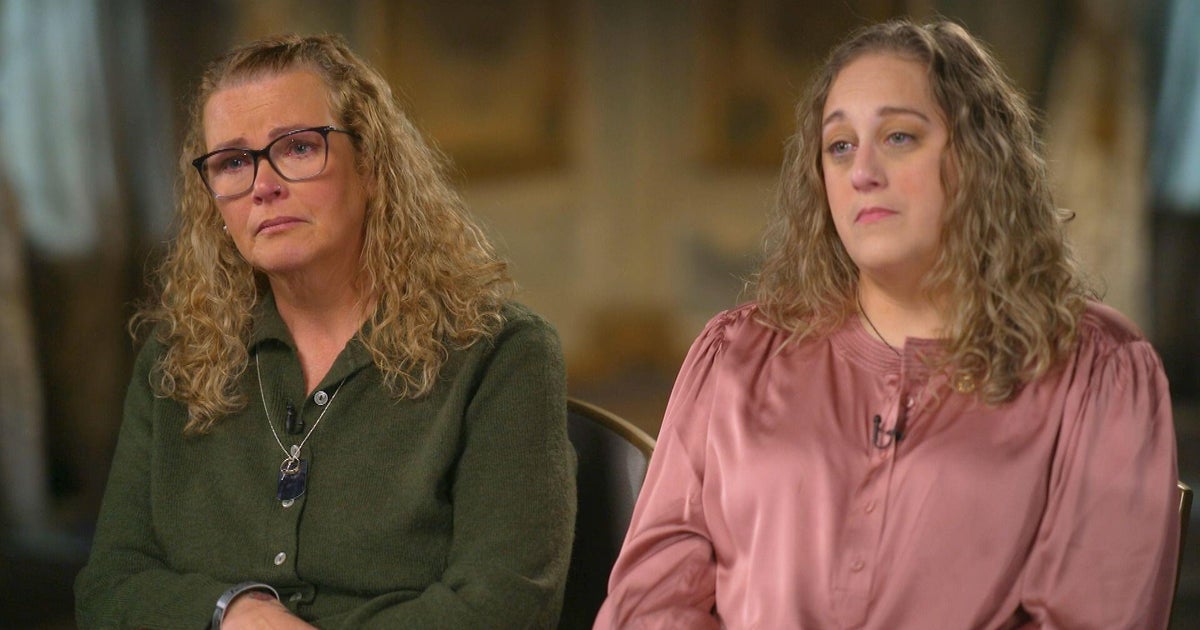
Joey Amor, husband of the late Master Sgt. Nicole Amor, emphasized the trust new soldiers place in their leadership, sharing his concern for future service members.
“There are soldiers that are signing up now that are going to go. And they have to trust that what happened to my wife isn’t gonna happen to them.”
The fallen service members were met with military honors, including a solemn reception at Dover Air Force Base, attended by top U.S. officials.
Military Leadership and Accountability
During the 60 Minutes interview, Joey Amor expressed frustration with the handling of the 103rd Sustainment Command. He alleged that failures in leadership contributed to his wife’s death and questioned the preparedness of the command.
“They killed my wife. They killed these soldiers. And it’s not political; there are individuals in that command that made choices.”
Preattack Warnings and Tactical Failures
Major Stephen Ramsbottom, deputy chief of operations for the 103rd, voiced concerns regarding insufficient protective measures at the Port Shuaiba outpost before the attack. He highlighted that the military’s defensive capabilities were inadequate against aerial threats.
“The protection that was there was to stop car bombs and threats like that. There was nothing there designed to protect from an aerial attack.”
Despite acknowledging the threat of drone attacks, which were highlighted in intelligence reports, leadership failed to act on these warnings, raising critical questions regarding accountability.
Aftermath of the Attack
On March 2nd, after a deadly drone strike at Port Shuaiba, soldiers reported chaotic scenes where vital communication and emergency protocols were grossly inadequate. Tanner Carson, a medic at the outpost, described the dire lack of resources following the incident:
“We did not have the manpower nor the equipment for any kind of a mass casualty incident.”
Master Sgt. Amor was still alive when transported to a hospital, but the chaotic medical response reflected significant operational failures.
Request for Accountability
Survivors and families of those who perished have been vocal about their desire for accountability and clarity regarding the decisions that led to this tragedy. Many described an urgent need to address the lessons learned from the attack to prevent such occurrences in the future.
“The truth. Accountability. Just own it. Say, ‘Something went wrong and we didn’t plan right.’ That’s all that I want.”
Continuing Consequences
The strife resulting from Iran’s attacks has not ceased, with continued threats targeting U.S. interests across multiple countries. Since the war’s onset, numerous assaults have damaged several military installations, demonstrating an ongoing vulnerability in U.S. operations.
The Pentagon’s investigations into these incidents have not always led to clear accountability, further straining relations between military leadership and the families of those lost in combat. As both military officials and Gold Star families brace for the implications of these findings, the need for transparency and improved protection remains a priority.
