


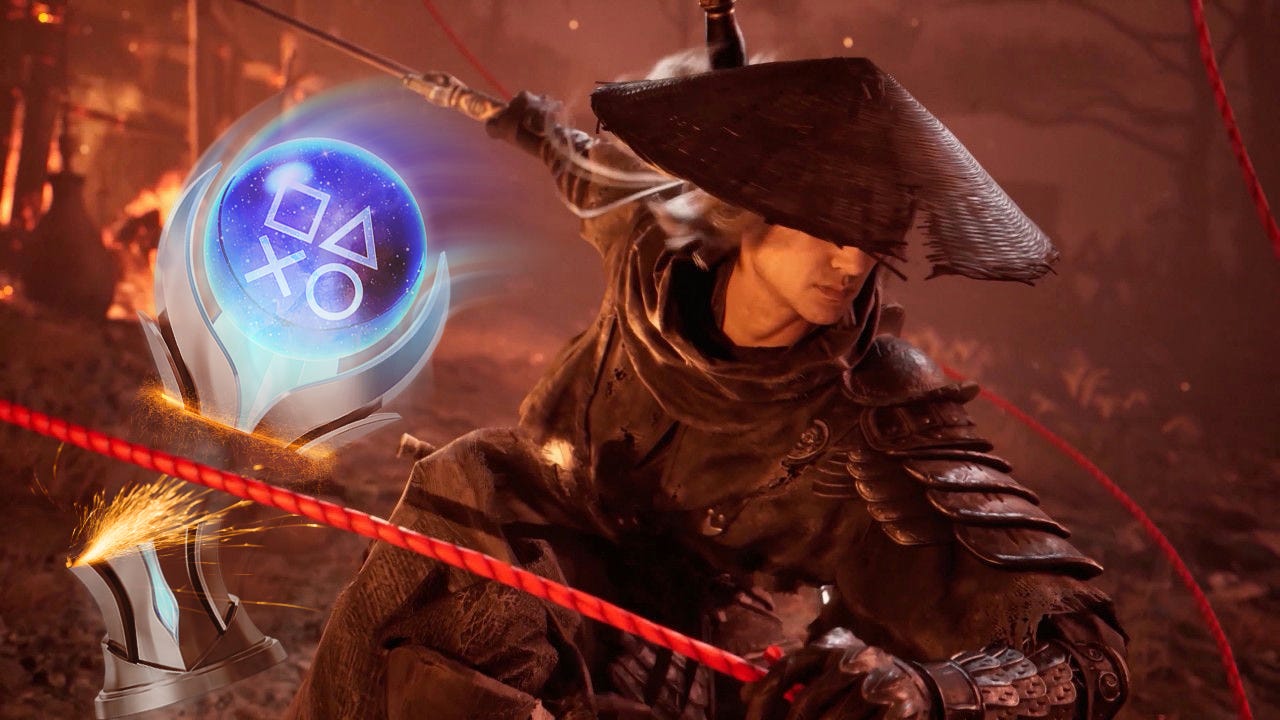
The Impact of Achievement Hunting on Game Development
An Insight into Achievement Culture
The landscape of video game achievements is evolving. Developers increasingly design their games with a focus on approachability for a diverse player base. A notable example is the “66 Days Mode” introduced in the action RPG Phantom Blade Zero, developed by S-GAME. This mode offers players a highly challenging experience post-completion, as it restricts them to just 66 attempts to finish the campaign while cleverly integrating the protagonist’s heart condition into gameplay.
Achievement Accessibility and Player Perspectives
A trend is emerging among developers to simplify achievements in response to a considerable number of players who now consider these accolades when deciding which games to purchase. Some players may even forgo games they would otherwise enjoy if the achievement list appears daunting or requires excessive effort to complete. This shift poses challenges to both players and developers.
- Players feel pressured to complete extensive checklists.
- Developers may compromise game design to align with achievement-hunting expectations.
The Double-Edged Sword of Game Design
Achievements have been a staple of gaming since their introduction with the Xbox 360 in 2005, but their impact has grown significantly. Developers are now faced with balancing the desire to provide interesting challenges against the need to cater to achievement hunters. For instance, some players may approach games as items on a checklist, focusing more on completing tasks rather than enjoying the gameplay experience itself.
Developer Sentiments and Industry Trends
While achievements are initially intended to provide players with fun objectives, growing demand from achievement hunters is leading to a more commercialized approach to game development. As game designers strive to create engaging content, their perspective on achievements often ranges from frustration to skepticism.
“When players start taking achievements seriously, especially if it’s factoring into which games they choose to buy, developers have to start taking them seriously too.”
The quote reflects the industry’s growing concern that the focus on these accolades could harm creative freedom in game design.
The Case of Phantom Blade Zero
In the case of Phantom Blade Zero, not providing unique rewards for completing the challenging 66 Days Mode illustrates the hesitation developers have regarding the achievement culture. By not including achievements tied to this mode, S-GAME appears influenced by the desire to avoid alienating players who might feel disheartened by an overly ambitious achievement list.
Balancing Accessibility and Challenge
While some developers argue that simplifying achievements facilitates accessibility, it also diminishes the sense of accomplishment for players seeking more challenging objectives. The concern arises that the motivations behind achievements are increasingly commercialized, transforming them from personal milestones into marketing tools intended to drive sales.
Conclusion: The Future of Achievements in Gaming
The phenomenon of achievement hunting is reshaping how games are developed and experienced. As the balance between player satisfaction and developers’ commercial aspirations evolves, it invites a reevaluation of what achievements should represent in gaming. The playful spirit that characterized their inception risks being overshadowed by market pressures and a growing reliance on task-driven gameplay.
