


Arab Women Filmmakers and Their Blossoming Influence
Arab women filmmakers are increasingly gaining recognition on the international cinematic stage. Their works have started to capture the attention of global audiences and film festivals. However, despite this rising visibility, challenges remain regarding long-term opportunities in the film industry, particularly concerning financing, distribution, and sustainable career development.
Key Discussions at the Cairo International Film Festival
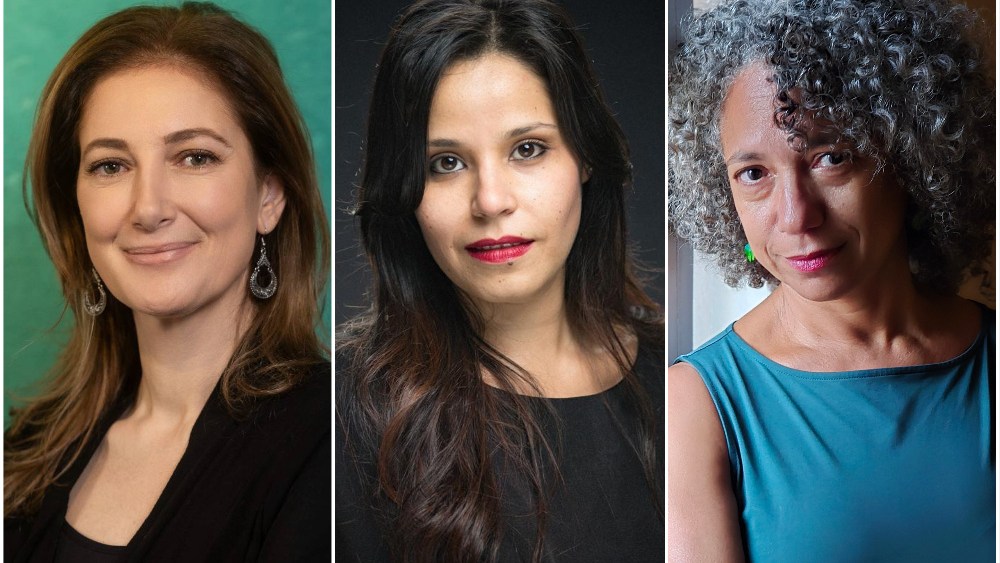
At the 47th Cairo International Film Festival, a significant conversation took place among influential Arab women filmmakers. Notable figures such as Palestinian director Laila Abbas, Egyptian producer Khouloud Sa’d, and filmmaker Amal Ramsis gathered to explore the frameworks that influence film production in the Arab world, focusing not just on representation but also the structural barriers that affect which stories are told and who tells them.
Voices of Change
Ramsis emphasizes the necessity of freedom in storytelling, questioning the limitations placed on Arab women filmmakers. “As Arab women filmmakers, we exist,” she stated, “But which kind of stories can we tell? What freedom do we have to tell our own stories?” She proposes that the conversation should pivot from merely counting participations in festivals to discussing the creative liberties available to these filmmakers.
Redefining Success Beyond Festivals
Ramsis highlights the misleading notion that success is largely defined by accolades from major European festivals. While she acknowledges their significance, she argues the need for enhanced distribution networks and direct audience engagement. “We don’t lack films from women directors in the international festivals. We are there,” she asserts, urging a focus on the creative independence in storytelling.
The Spotlight on Storytelling Expectations
Both Ramsis and Abbas share experiences that reveal a common theme: the storytelling expectations placed on Arab women filmmakers often lean toward narratives of victimhood or oppression. “As an Arab woman filmmaker, you should talk about women as victims, you should talk about the veil,” Ramsis observes. Abbas also notes that seeking financing can be fraught with similar assumptions. “Sometimes we think that Europeans want to see a certain type of film coming from the Middle East,” she explained, emphasizing the need for diverse storytelling beyond trauma and conflict.
Navigating the Industry Landscape
While there seems to be an abundance of female filmmakers in the Arab region, adequate access to financing and distribution remains a critical challenge, as pointed out by producer Sa’d. She recognizes the increasing number of voices emerging from Egyptian and Arab women filmmakers, stating, “There are many voices from Egyptian and Arab women in the industry now, and they have a variety of subjects and issues they want to address.” However, she cautions that visibility does not automatically translate into audience access.
Endurance and Independence in Filmmaking
Sa’d cites independent films like “Safe Exit” and “Withered Green” as examples of projects that present alternative visions within an industry facing distribution struggles. While self-financing can lead to more creative flexibility, it often demands extensive time and resources to complete projects. “The journey of these films is very, very long,” she explained, noting that self-financed projects can take several years to finish. “More funding would make the process shorter and easier.”
The Challenges of Sustaining a Career
Ramsis points out a significant gap in the industry, the challenge of continuing a career beyond initial successes. She notes that many funding initiatives prioritize emerging talent, making it hard for filmmakers who have yet to achieve substantial fame to secure subsequent projects. Meanwhile, Ramsis’ initiative, the Between Women Filmmakers’ Caravan, strives to address these gaps by fostering collaboration and networking opportunities among women in the industry.
Forging a Path Forward
Abbas advocates for established filmmakers to actively assist newcomers in navigating the film landscape. “Reach back to filmmakers, create a fund for new talent. Do something,” she implored. The overarching message from industry veterans is clear: it’s essential to not only integrate Arab women filmmakers into the mainstream but to ensure they possess the creative freedom, resources, and support required for lasting success.
As the dialogue continues, the future for Arab women in film looks promising, provided systemic barriers are recognized and collaborative solutions are pursued for a more inclusive and diverse cinematic landscape.
