


Addressing Wind Turbine Blade Waste in Europe
Published on 7 November 2026 – 7:02 GMT+1
Wind energy has been hailed as one of the most economical and scalable solutions for combating the climate crisis. However, the rapid expansion of this energy source raises substantial environmental concerns, particularly regarding the disposal of decommissioned wind turbine blades.
The Challenges of Wind Turbine Blade Disposal
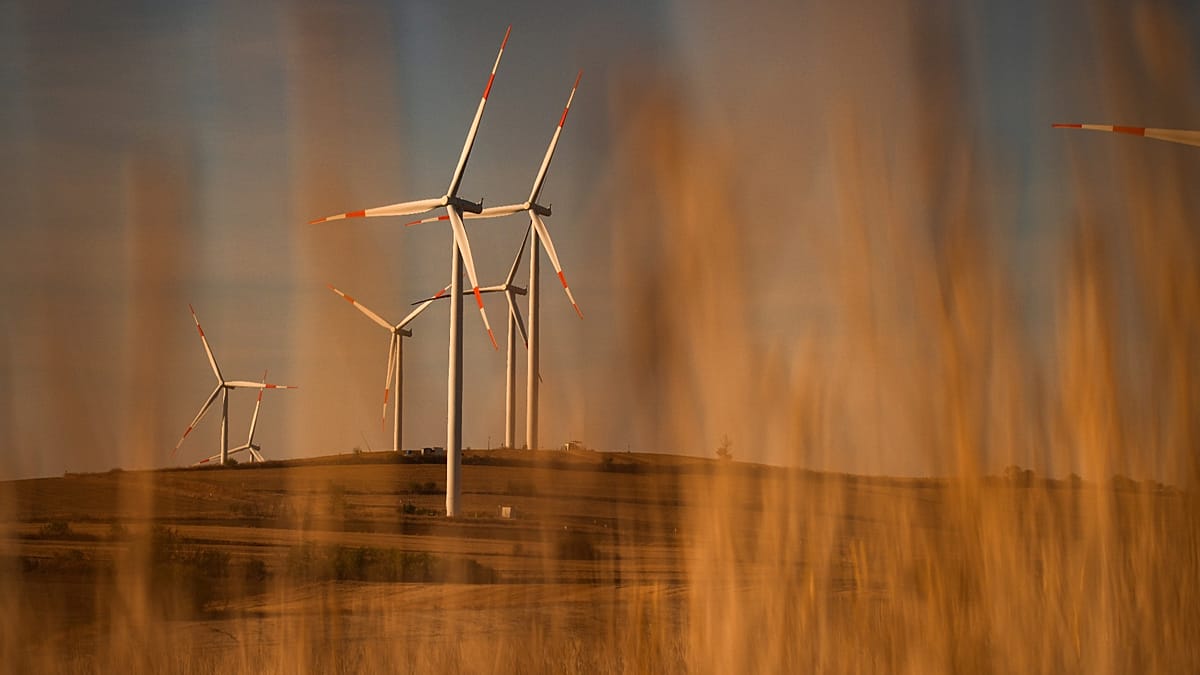
Wind turbines, which populate both land and sea across Europe, are engineered to endure extreme environmental conditions, including intense UV exposure, high wind speeds, severe temperatures, and lightning strikes. Despite the structures themselves being largely recyclable—approximately 85 to 90 percent of a wind turbine’s mass—only a fraction of the components, particularly the massive blades, pose significant recycling challenges.
Following an average operational lifespan of around 20 years, many of these blades are left with no viable disposal options. The situation is set to worsen, with projections indicating that the decommissioned blade waste in Europe will escalate from 20,000 tonnes in 2025 to 55,000 tonnes by 2030 as older turbine fleets are retired.
In response to this escalating crisis, WindEurope, the representative body for the European wind sector, implemented a voluntary landfill ban aimed at mitigating this waste issue. The organization is advocating for official legislation from EU policymakers to reinforce this ban, which is essential for fostering advances in sustainable recycling technologies.
Innovative Recycling Technologies
Recent research has unveiled an innovative method known as “flash joule heating” that could provide a second life for challenging-to-recycle turbine blades. This technique, detailed in a study published in the journal Chem Circularity, involves subjecting the blades—typically composed of fiberglass and carbon-rich resins—to abrupt bursts of extreme heat.
The process requires heating the blades to approximately 2,000°C within seconds, prompting a chemical reaction where carbon interacts with silica to create silicon carbide, a robust and heat-resistant compound. Concurrently, carbon can transform into graphene, recognized for its remarkable strength and conductivity.
According to Bing Deng, a senior author and chemical and environmental engineer at Tsinghua University in China, their team discovered that when the shredded blades are combined with other materials before undergoing heating, the resulting composite enhances the properties of resins used in new wind turbine blades. “The mixture of silicon carbide and graphene can be incorporated back into resins for new wind turbine blades, improving their mechanical and thermal properties,” Deng stated.
This research indicates that even a small percentage (just 0.3 percent by weight) of these recovered materials can improve resin rigidity, boosting its resistance to deformation by 27 percent under tension and 9 percent when bent, effectively classifying the process as “upcycling” rather than mere recycling.
