


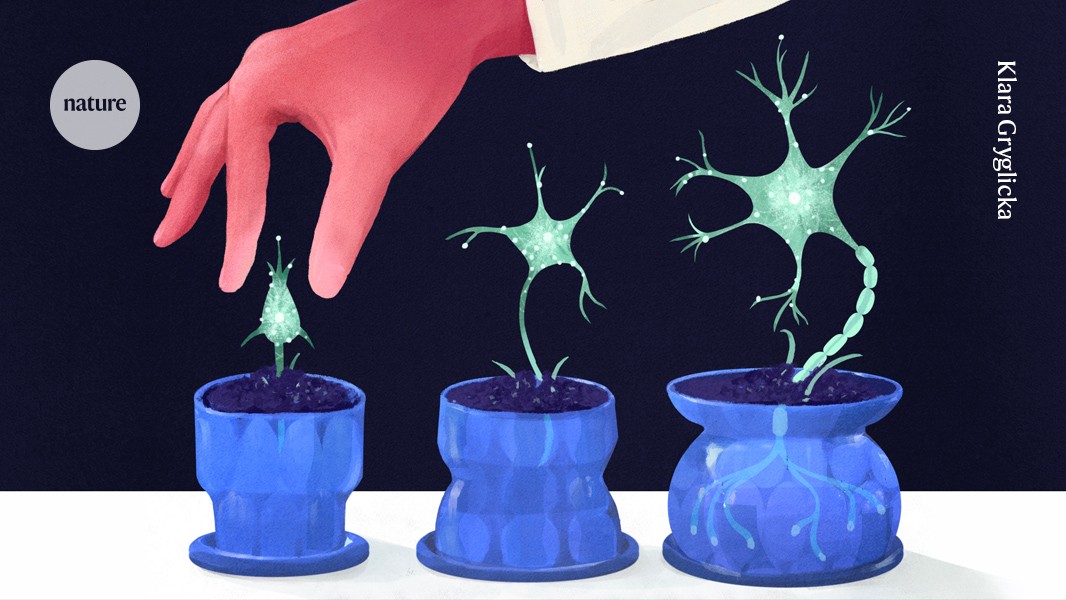
The Debate on Neurogenesis in the Human Brain
For many years, it was widely accepted in scientific circles that the human brain reaches its full complement of neurons at birth, with no new cells produced thereafter. However, recent research has begun to challenge this long-held belief, presenting possibilities for the brain’s ability to regenerate and repair itself throughout a person’s life.
Evolving Perspectives on Neurogenesis
The concept of neurogenesis—the production of new neurons—has become a focal point of contention within neuroscience. Prominent researchers, including Arturo Alvarez-Buylla from the University of California, San Francisco, have devoted considerable effort to understanding this phenomenon. “If someone shows it clearly, I’ll be the first to be super happy and say, well, I didn’t waste my life studying a mechanism that is not present in humans,” he stated.
Despite various studies supporting both sides of the issue, the scientific community remains divided, with notable figures contributing to ongoing discussions. Hongjun Song, a neuroscientist at the University of Pennsylvania, underscores that the debates are fueled by high-caliber research on both ends, complicating the conclusion.
Historically Significant Discoveries
The narrative of neurogenesis began to shift in the 1960s when Joseph Altman, then at MIT, discovered evidence of new neuron formation in adult animal brains. This sparked skepticism among some in the field; Altman’s findings reportedly impacted his tenure at MIT because of the controversial nature of the discovery.
By the 1980s, the evidence for neurogenesis had gained traction with observations in adult birds, indicating its potential role in functions such as song learning. Neurogenesis research has since expanded across various species, but human brain studies have yielded mixed results.

Detecting Neurogenesis: Methods and Challenges
Gerd Kempermann from the German Center for Neurodegenerative Diseases discusses the progress in neurogenesis research, noting a shift toward what he describes as a “consolidation phase,” despite some unresolved questions regarding detection methodologies.
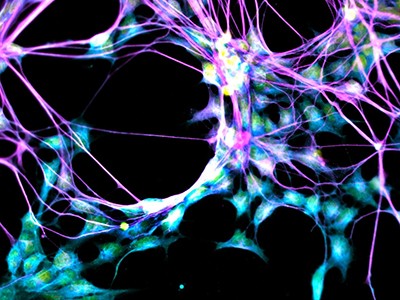
Traditionally, neurogenesis detection relied on the use of bromodeoxyuridine (BrdU), a chemical that integrates into DNA during cell division. In the 1990s, Rusty Gage and his team used BrdU to explore human hippocampal tissue, producing results that suggested adult neurogenesis may indeed occur in humans.
Controversy and Research Developments
However, a pivotal study published in 2018 by Shawn Sorrells, then a postdoc in Alvarez-Buylla’s lab, claimed to find minimal evidence of neurogenesis in humans, particularly in the hippocampus. This pivotal study sparked immediate debates and further investigations into why findings diverged among researchers, with various methodologies resulting in different outcomes.
In a following exploration of human brain tissue handling and preservation techniques, María Llorens-Martín provided evidence of abundant neurogenesis in older adults, revisiting previous assumptions. Nonetheless, Alvarez-Buylla maintained that certain cells labeled as immature neurons did not fulfill the criteria for being classified as newly formed.
Innovative Approaches in Recent Research
The latest advancements in this field have employed gene-expression techniques to detect neurogenesis. Notable research has demonstrated that, by analyzing single-nucleus RNA sequencing in post-mortem brain samples, genetic signatures of neurogenesis could be identified. However, results varied, with initial studies failing to reveal indicators in human tissue while observing them in other species.
Researchers have since refined their methodologies, culminating in a new study from the Karolinska Institute that unveiled the presence of dividing cells in the adult human brain, strengthening the case for adult neurogenesis.
The Future of Neurogenesis Research
As the investigation into adult neurogenesis continues, the question remains: if new neurons are indeed formed in the adult human brain, what roles do they serve? The exploration of these neurons may lead to new insights into treating neurodegenerative diseases and enhancing brain health. The journey to fully understand the intricacies of neurogenesis is ongoing, promising a future rich with discovery.
