


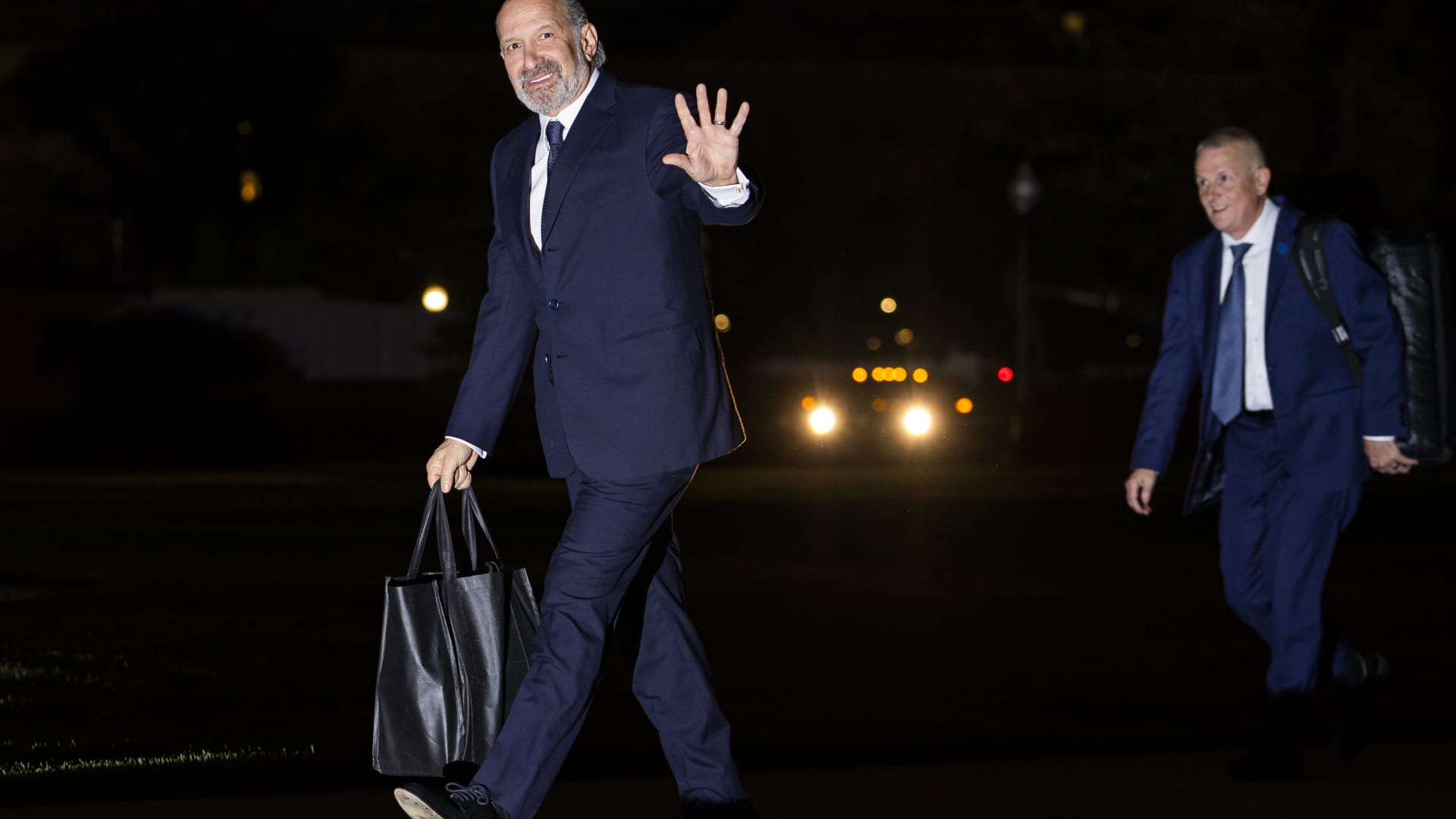
Commerce Secretary Howard Lutnick Set to Testify on Nvidia Controversy
In a developing situation involving national security and technology exports, U.S. Secretary of Commerce Howard Lutnick has confirmed his appearance before the Senate Banking Committee. This follows concerns stemming from the recent dismissal of Nvidia’s CEO, Jensen Huang, amid allegations linking him to a purported Chinese spy.
Background of the Controversy
Senate Banking Committee Chair Tim Scott has summoned Lutnick as part of an investigation into Nvidia’s potential provision of advanced artificial intelligence (AI) chips to Chinese firms. The considerable implications of such transactions have raised flags regarding U.S. national security interests.
Details of the Testimony
Both Lutnick and Huang received formal requests for testimony, scheduled for December 3rd and December 10th, respectively. The letter to Lutnick highlighted “recent public reports about NVIDIA and the Department of Commerce’s role that raises national security concerns.” Confirming his cooperation, Lutnick’s spokesperson, Kristen Eichamer, stated, “Secretary Lutnick has proactively agreed to appear voluntarily before the Banking Committee to address their questions.”
Jensen Huang’s Resignation
Huang recently acknowledged an affair with an executive from Megaspeed, a Singapore-based company that has significantly purchased Nvidia’s advanced chips, totaling over $4.8 billion in the past two years. This scandal, alongside other personal controversies, culminated in Huang’s resignation.
Legislative Reactions
There is noticeable bipartisan concern regarding the management of chip exports by the Department of Commerce. Some lawmakers, including Senator Jim Banks, have publicly criticized Lutnick’s approach, suggesting he exploited loopholes that permitted certain sales. Banks articulated his position during a Fox News appearance, asserting that these practices could compromise national security.
Senator Elizabeth Warren expressed her apprehensions about Lutnick and Under Secretary Jeffrey Kessler’s actions, stating they must “explain why they have not closed export control loopholes” to prevent advanced technology from bolstering China’s military capabilities.
Continued Scrutiny and Investigations
In collaboration with incoming Senate Foreign Relations Chair Chris Coons, a joint letter was drafted requesting the preservation of all documentation pertaining to Nvidia’s chip exports to China. Additionally, Senator Ron Wyden and Representative Richard E. Neal are probing the approvals for sales of Nvidia chips to entities linked to the Chinese government and military.
Acknowledgment of Historical Ties
In the context of this controversy, Lutnick’s long-standing relationship with President Donald Trump adds another layer of complexity. Their friendship, spanning over three decades, positions Lutnick as a key confidant within the administration, raising questions about the influence of personal connections on policy decisions.
Conclusion
The upcoming testimonies are poised to shed light on Nvidia’s operations and the Department of Commerce’s oversight regarding technology exports to China. The implications of these hearings are significant, given the ongoing tensions surrounding U.S.-China relations and the sensitive nature of AI technology.
