


The Supreme Court’s Challenge to Religious Freedom Protections
Historical Context of the Debate
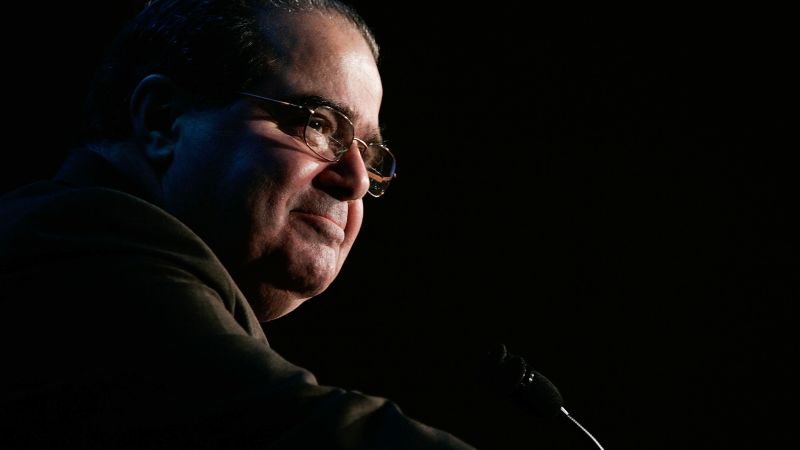
Since the Supreme Court’s 1990 ruling in Employment Division v. Smith, there has been a persistent struggle surrounding the balance between free exercise of religion and state interests. This controversial ruling, authored by Justice Antonin Scalia, weakened the protections previously awarded to religious practices, allowing states to regulate such practices more freely.
The case centered on two members of a Native American church who were dismissed from their jobs due to the sacramental use of peyote. The court’s decision marked a notable shift from a precedent established in 1963 that prioritized religious liberties, enabling governments to impose laws that inadvertently affect religious practices.
Immediate Reactions and Legislative Responses
Justice Sandra Day O’Connor expressed grave concerns about the ruling’s implications, privately communicating her dismay to Justice Harry Blackmun during the announcement. Following this landmark decision, advocates for religious rights mobilized to push for legislative changes, culminating in the passage of the Religious Freedom Restoration Act in 1993, which reinstated a standard requiring a compelling governmental interest for laws infringing on religious practices.
Recent Developments within the Court
The current conservative majority of the Supreme Court has reignited the conversation around the Smith ruling, especially with cases presented by predominantly Christian groups seeking exemptions based on religious beliefs. Notably different from earlier cases involving minority religions, the focus has shifted towards Catholic and other Christian claims for exemptions from state laws.
One significant case pending before the court involves St. Mary Catholic Parish and the Archdiocese of Denver, which are contesting Colorado’s universal preschool program requirement to sign a nondiscrimination agreement that encompasses sexual orientation and gender identity.
Legal Proceedings and Court Dynamics
A federal appeals court upheld a lower court ruling against St. Mary Catholic Parish, referencing the Smith decision, which allowed it to sidestep requirements that could be perceived as intrusive to religious rights under the First Amendment. However, with several justices indicating a desire to revisit the Smith decision, the present court shows signs it may lean towards reinstating greater protections for religious practices.
Justice Neil Gorsuch has been notably vocal, stating that the Smith standard has become “unworkable in practice,” urging a reevaluation of this legal framework. During previous rulings, the court has given more credence to religious freedom claims, leading to speculation about its forthcoming decisions on the current challenges.
Implications and Future Considerations
The implications of any decision to overturn or modify the Smith ruling could lead to significant changes in how states legislate regarding religious practices. Colorado’s legal team argues that the nondiscrimination requirement is rooted in protecting all individuals, including those of same-sex couples, and does not reflect any animosity towards religious beliefs.
The Becket Fund for Religious Liberty, representing the parish, argues that recent Supreme Court decisions reinforce the position that protections for religious exercises exist beyond the Smith framework, highlighting the evolving interpretations of religious freedom in America.
Conclusion
The ongoing debate surrounding religious liberty and state legislation remains a pivotal issue within the U.S. legal system. As the Supreme Court prepares to hear arguments in the St. Mary Parish case, the outcome may not only affect the plaintiffs but could also redefine the relationship between government regulations and the free exercise of religion moving forward.