


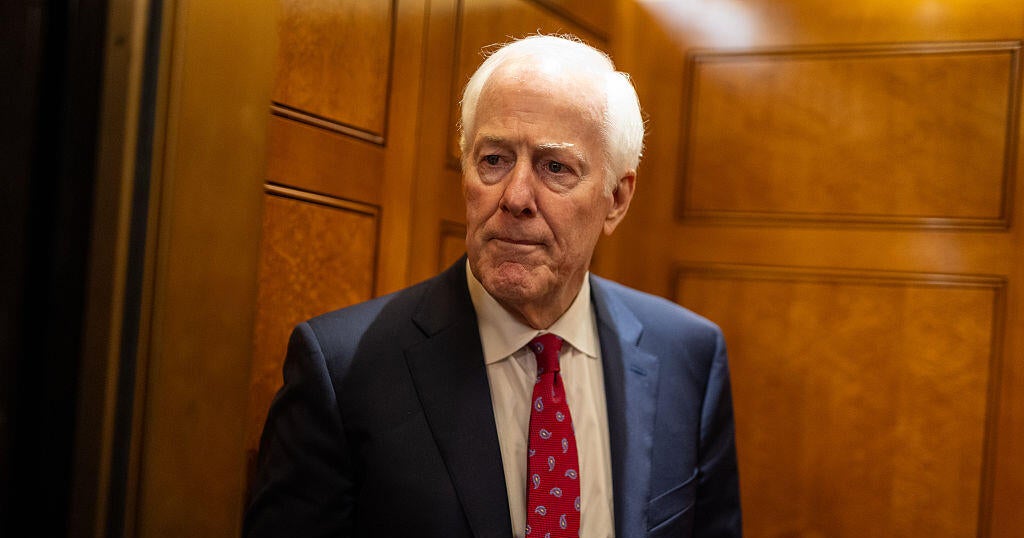
Senator John Cornyn Blocks Nomination of T. Elliot Gaiser to Federal District Court
In a significant turn of events in the judicial nomination process, Republican Senator John Cornyn of Texas has effectively stalled President Trump’s nomination of T. Elliot Gaiser for a position on the federal district court in the Dallas region. This action marks a notable intervention from a key senator in the judicial appointments process.
Reasons for Opposition
During an interview with CBS News, Senator Cornyn indicated that he will not support Gaiser’s nomination through the Senate Judiciary Committee, stating, “I think his nomination is no longer viable.” Cornyn highlighted several concerns regarding Gaiser’s qualifications, specifically mentioning:
- Gaiser’s lack of Texas residency.
- The absence of trial experience.
- A perceived rush by the White House to confirm appointments without adequate consultation.
Cornyn further expressed disappointment that there had been “no consultation whatsoever” regarding Gaiser’s nomination, emphasizing the importance of the Senate’s role in the appointment process. The senator commented, “The Senate’s not supposed to be a rubber stamp and … we have been too often.”
Judicial Committee and Nomination Process
T. Elliot Gaiser was poised to appear before the Judiciary Committee for his confirmation hearing, but was ultimately omitted from the list of candidates set to testify. The committee employs a blue-slip process that allows home-state senators to express approval or disapproval of nominees to the judiciary. In Gaiser’s case, Cornyn, along with fellow Texas senator Ted Cruz, has the authority to influence the nomination through this process.
Per the existing policy, a nominee cannot advance to a hearing without positive feedback from both home-state senators. This policy, which has been supported by current Judiciary Committee chair Chuck Grassley, reflects a tradition that values Senate consultation in federal judicial appointments.
Background on T. Elliot Gaiser
Originally from Ohio, Gaiser currently serves as the head of the Office of Legal Counsel at the Justice Department. He has held significant legal positions, including serving as the solicitor general of Ohio. His connection to Texas is limited to a brief judicial clerkship in Houston. His nomination was announced by President Trump after a consultative process began on November 4, the day after the midterm elections, in which Democrats gained significant ground in the Senate.
Controversial Opinions and Criticism
Gaiser’s tenure has not been without controversy. He is known for issuing several notable legal opinions, including:
- A justification for military strikes on alleged drug-smuggling vessels.
- An opinion asserting the unconstitutionality of the Presidential Records Act concerning the preservation and transfer of documents by a sitting president.
- A ruling that provides protections for Trump’s non-governmental advisers from congressional inquiries.
Implications for Judicial Nominations
The ongoing situation regarding Gaiser’s nomination illustrates the complex nature of judicial appointments, particularly as the Senate approaches a shift in power following the recent midterms. With Democrats projected to hold a 56-seat majority, many of President Trump’s upcoming nominations may face increased challenges in securing confirmation.
As this story continues to unfold, the implications of the judiciary’s composition and the administration’s ability to make lasting appointments remain a focal point of political discourse.
