


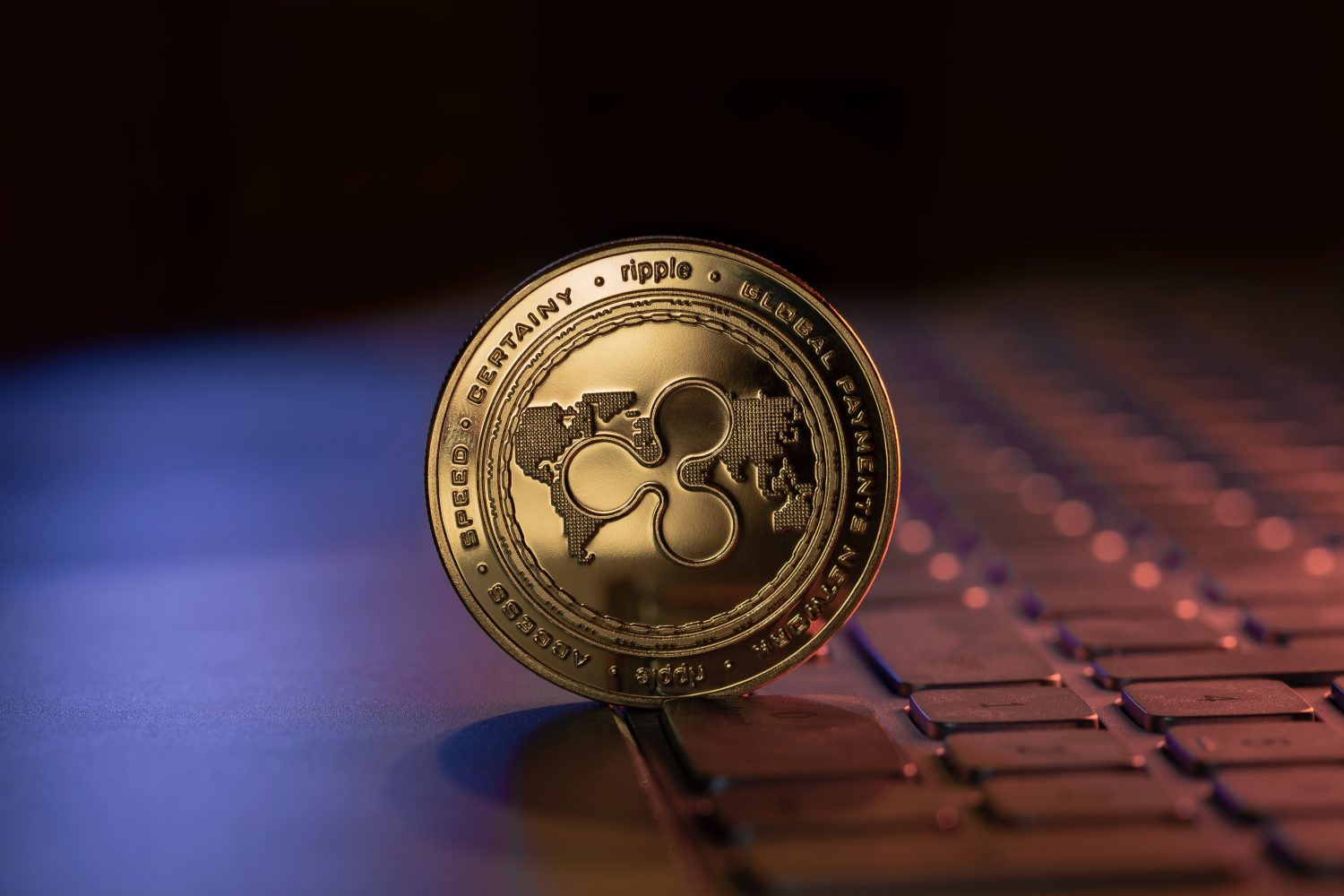
XRP vs. Bitcoin: Can XRP Become the Next Bitcoin?
XRP (CRYPTO: XRP) has delivered notable returns in the past decade, surpassing Bitcoin’s (CRYPTO: BTC) with a gain of approximately 12,868% versus Bitcoin’s 10,347%. However, Bitcoin currently holds a significantly larger market capitalization, approximately 22 times that of XRP.
As of the latest figures, XRP is trading at $1.02. This represents a decline of 25.3% over the last month and reflects a staggering 72% drop from its all-time high. Having experienced a 57.3% decrease over the year, the notion of XRP achieving the same status as Bitcoin appears quite distant.
Market Capitalization and Returns: A Comparative Analysis
XRP’s market capitalization stands at roughly $64.6 billion, placing it sixth among cryptocurrencies, while Bitcoin’s market cap is around $1.43 trillion. For XRP to return to its previous peak price of $3.65 (recorded in July 2025), it would need to see a substantial influx of capital, potentially exceeding that of its initial rise due to increased circulation.
Despite past commendable returns, recent trends have seen XRP move in the opposite direction compared to Bitcoin; in the last five years, it declined by 12% while Bitcoin rose by 14.2%. This trend is further evident over the past year, where XRP saw a 57.3% decrease compared to Bitcoin’s 29.8% increase, indicating that XRP typically experiences sharper declines during Bitcoin downturns.
Divergence in Coin Supply Dynamics
Bitcoin’s supply is capped at 21 million coins, a design that promotes scarcity and has led to significant value retention. Conversely, XRP has a maximum supply of 100 billion tokens, all of which were minted at its inception. Ripple, the company behind XRP, manages a substantial portion of this supply, with many coins in escrow, leading to periodic market introductions.
This structural difference means while Bitcoin operates independently of a managing entity, the control over XRP’s release into the market could influence its price more directly.
Factors for XRP’s Potential Growth
For XRP to gain traction, several key factors must align:
- Escalating Demand for ETFs: As of November 2026, XRP ETFs had accumulated net inflows totaling $1.79 billion, but recent withdrawals signal potential investor hesitance. In comparison, Bitcoin ETFs are significantly more robust, boasting around $93.7 billion in assets.
- Integration into Payment Systems: Partners such as DriveWealth have indicated interest in utilizing Ripple’s technology for transactions, indirectly boosting XRP’s utility. Each transaction on the XRP Ledger necessitates a small XRP fee, creating an intrinsic link to transaction volumes.
- Upgrades to the XRP Ledger: The roadmap for the XRP Ledger includes enhancements aimed at supporting apps and smart contracts, which may attract more developers and users, though benefits in pricing may take time.
Investor Questions: The Path Forward for XRP
Can XRP Hit $10?
Achieving a price of $10 would require an 880% increase from its current value, necessitating sustained interest from ETF investors and consistent growth in transaction volumes.
Can XRP Reach $100?
If XRP were to reach $100, the total market value would surpass four times that of Bitcoin, which makes this forecast seem implausible under current market dynamics.
What Is a Realistic Price Range for XRP?
A realistic target for XRP would be a return to approximately $2.39, its price from November 2025, representing a 134% increase from current levels and still shy of its all-time highs.
