


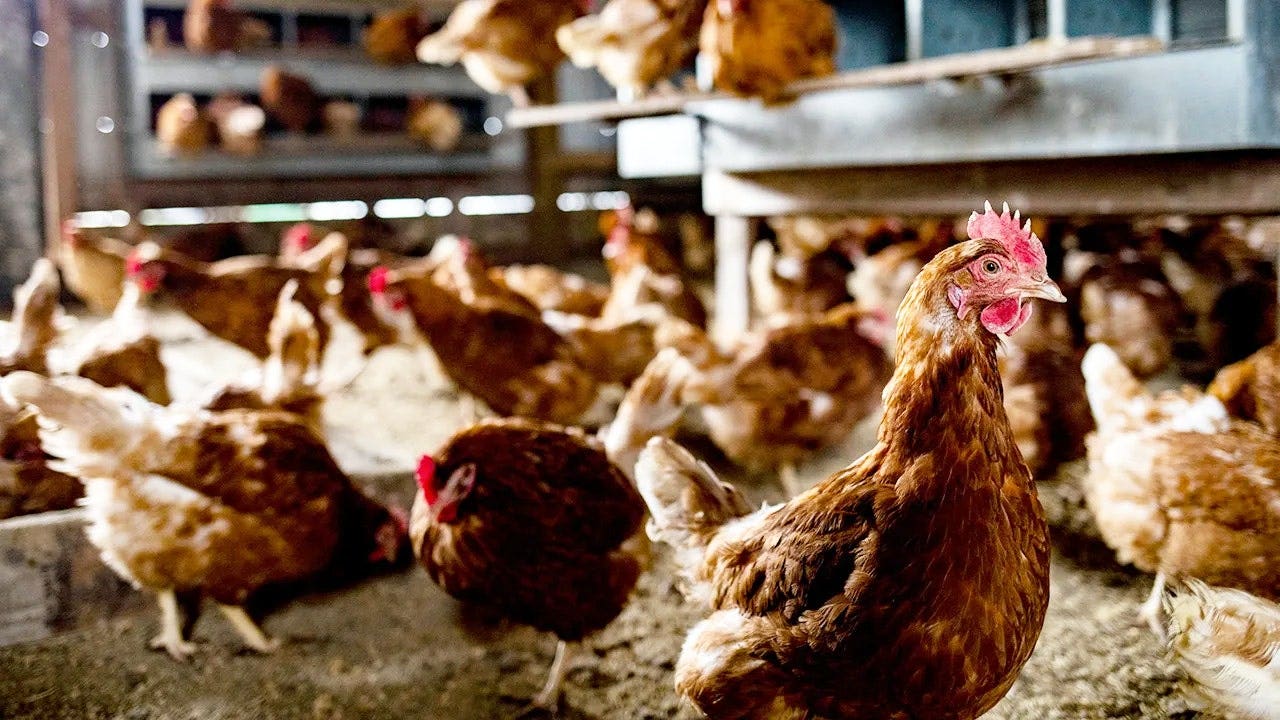
Wisconsin Confirms Bird Flu Outbreak in Backyard Poultry
A recent outbreak of highly pathogenic avian influenza (HPAI) has been identified in a backyard poultry flock in Rusk County, Wisconsin, leading to the euthanasia of the infected birds to prevent the spread of the disease. This alarming development was confirmed by the Wisconsin Department of Agriculture, Trade and Consumer Protection (DATCP) on Thursday.
The Nature of the Outbreak
While officials have not disclosed the specific means by which the flock became infected, the presence of HPAI in domestic and wild bird populations has been a pressing concern in North America since December 2021. HPAI is known for its high contagion rates and often results in high mortality rates among affected poultry.
Preventive Actions Taken
In response to the outbreak, DATCP mandated the immediate euthanasia of all birds on the affected property, ensuring they will not enter the food supply. The agency has also established a framework for monitoring the situation, which may include the creation of a 10-kilometer surveillance zone around the outbreak site. However, this action does not impose restrictions on the movement of poultry in surrounding areas.
Spread and Severity of HPAI
The avian influenza virus can spread rapidly through various channels, including:
- Direct contact with infected birds.
- Interaction with wild birds or their droppings.
- Contaminated equipment or clothing worn by individuals who handle the animals.
According to DATCP, HPAI’s severity varies based on the specific strain and the species affected, necessitating heightened awareness and preventive measures among poultry farmers and livestock owners.
Recommendations for Poultry Owners
In light of the ongoing threat posed by HPAI, DATCP has issued several recommendations for poultry keepers to bolster their biosecurity. These include:
- Regular handwashing and equipment disinfection.
- Limiting access to poultry and segregating any new birds from established flocks for a minimum of 30 days.
- Keeping domestic birds indoors when feasible to mitigate exposure to wild birds.
Conclusion
The detection of HPAI in Wisconsin underscores the importance of strict biosecurity protocols to safeguard poultry populations. As the situation develops, farmers and poultry owners must remain vigilant and informed to minimize the risk of transmission.
For more information, visit the Wisconsin Department of Agriculture, Trade and Consumer Protection.
