


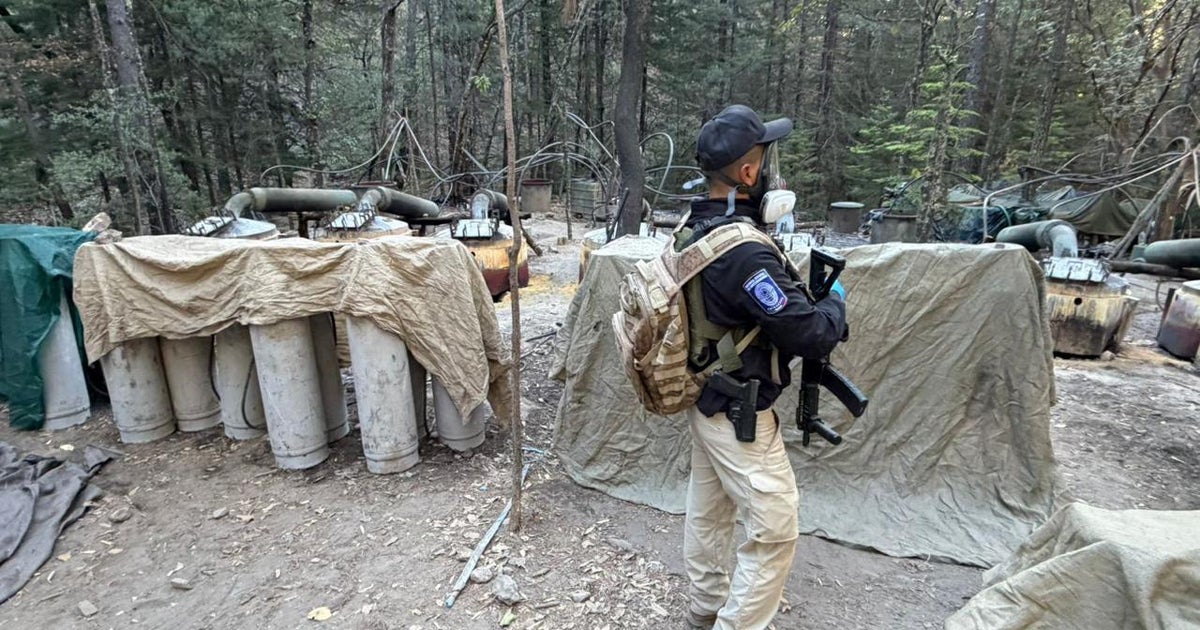
A significant legal upheaval is unfolding in Mexico, as a former state attorney general may stand trial for treason related to a controversial operation involving U.S. agents. The case arises from an incident in April when a drug lab in Chihuahua, northern Mexico, was dismantled, leading to the deaths of two CIA agents and two state officials in a car accident.
Background of the Operation
The operation to dismantle the drug lab drew scrutiny when it was revealed that two CIA agents participated without notifying the federal government. This situation ignited national outrage, particularly from President Claudia Sheinbaum, who has prioritized protecting Mexico’s national sovereignty. In response to the turmoil, César Jáuregui, the state district attorney, resigned to facilitate an inquiry into the case.
Legal Proceedings Against Jáuregui
Jáuregui faces state charges for illegally exercising public office, which a judge recently ruled can proceed to trial. Additionally, federal officials have accused him of treason, with the prosecution seeking to hold him accountable for jeopardizing national security by allowing foreign agents to operate without proper authorization. A federal judge is expected to decide on the charges shortly.
The Incident and Its Aftermath
The tragic events of April 19 unfolded when a convoy returning from the operation veered off a road, resulting in fatalities. The incident claimed the lives of two Mexican state agents, identified as Pedro Román Oseguera Cervantes and Manuel Genaro Méndez Montes, alongside the two U.S. agents who were involved in binational anti-drug training efforts. The Mexican authorities labeled the operation as targeting one of the nation’s largest drug production sites.
Nature of the Treason Charges
The charge of treason in this context pertains to allegations that Jáuregui endangered national security by permitting U.S. agents to partake in the operation. This is significant as treason is a daunting charge to prove in Mexico, especially in a political climate shaped by upcoming midterm elections.
Experts suggest that while Jáuregui’s actions might warrant scrutiny, they do not necessarily equate to treason. Legal analysts note the complexities tied to defining treason in the absence of clear circumstances that indicate a betrayal of the state. The potential sentence for treason ranges from 5 to 40 years, underscoring the seriousness of these allegations.
Political Implications and Reactions
The proceedings are viewed as politically charged, given the historical context of U.S.-Mexico relations and concerns regarding sovereignty. Sheinbaum’s administration has voiced its commitment to limiting foreign agency involvement in domestic operations, an initiative amplified by reforms from her predecessor, Andrés Manuel López Obrador. These reforms aimed to prevent unauthorized foreign actions, emphasizing federal oversight in security matters.
Confusion Surrounding the Agents’ Roles
Conflicting narratives about the roles of the U.S. agents involved have further complicated matters. While U.S. officials labeled the deceased agents as “embassy personnel,” reports confirmed they were CIA operatives, contributing to the training component of the joint operation.
Jáuregui’s defense team contends that the agents were closely linked to the individuals managing the operation in Chihuahua, fueling debates about the legitimacy of their presence in Mexico without federal approval.
Conclusion: Implications for U.S.-Mexico Relations
This unfolding legal situation sends ripples through U.S.-Mexico collaboration on drug trafficking initiatives, with concerns that it may hinder cooperation against organized crime. As the judicial process continues, the ramifications of this case could reshape policies and perceptions regarding foreign involvement in Mexico’s internal security matters.
As these events develop, they illuminate the delicate balance between international cooperation in the fight against drug trafficking and the imperative of maintaining sovereign authority over domestic affairs.
