


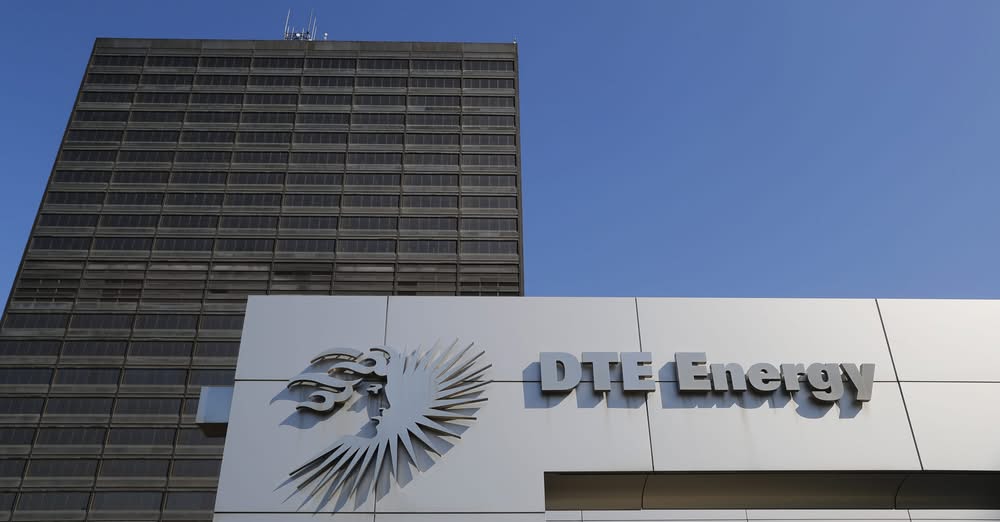
Michigan Utilities Challenge Proposal 2: A Legal Battle Over Political Contributions
Overview of Proposal 2
In a decisive election, more than 80% of Michigan voters backed Proposal 2, implementing strict restrictions on political contributions from utilities such as DTE Energy and Consumers Energy, as well as other businesses with substantial state contracts. These new regulations primarily target political donations from companies and their close affiliates.
Details of the Lawsuit
Following the approval of Proposal 2, DTE Energy and Consumers Energy filed a lawsuit in the U.S. District Court for the Western District of Michigan, asserting that the newly enacted law infringes on their First Amendment rights related to free speech and association. The lawsuit names key officials, including the Director of the Michigan Bureau of Elections and the Attorney General.
The utilities contend that the proposal puts them in a position where they must either forsake their rights to political expression or face potential penalties for exercising those rights. They argue that their involvement in political discussions surrounding energy reliability and affordability is crucial for informed policymaking.
Legal Challenges and Responses
This legal move did not come without anticipation. Activist groups like Michiganders for Money Out of Politics had expected such a reaction. Campaign manager Maura Cowley remarked that “the corporations bankrolling our opposition have been gearing up for this lawsuit since Proposal 2 was introduced.” Cowley expresses confidence that the proposal will withstand judicial scrutiny.
In addition to this lawsuit, the Mackinac Center for Public Policy has also initiated legal proceedings against Proposal 2. Opponents of the proposal argue it violates free speech and fails to clearly define the groups targeted by the new regulations.
Implications of Proposal 2
Proposal 2 expands restrictions on political contributions significantly. Previously, corporations were already prohibited from direct candidate donations, but the new law broadens the scope to include key personnel within these companies and their immediate families. This includes owners, executives, and employees who are connected to the organizations.
Notably, the legislation stipulates specific limitations on contributions to state officials, party committees, and related entities, while also demanding transparency through mandatory disclosure of “dark money” donations—financial contributions made anonymously through nonprofit channels.
Despite these restrictions, the proposal does not bar contributions to independent expenditure super PACs, a form of political spending protected by the Supreme Court’s ruling in Citizens United v. Federal Election Commission.
