


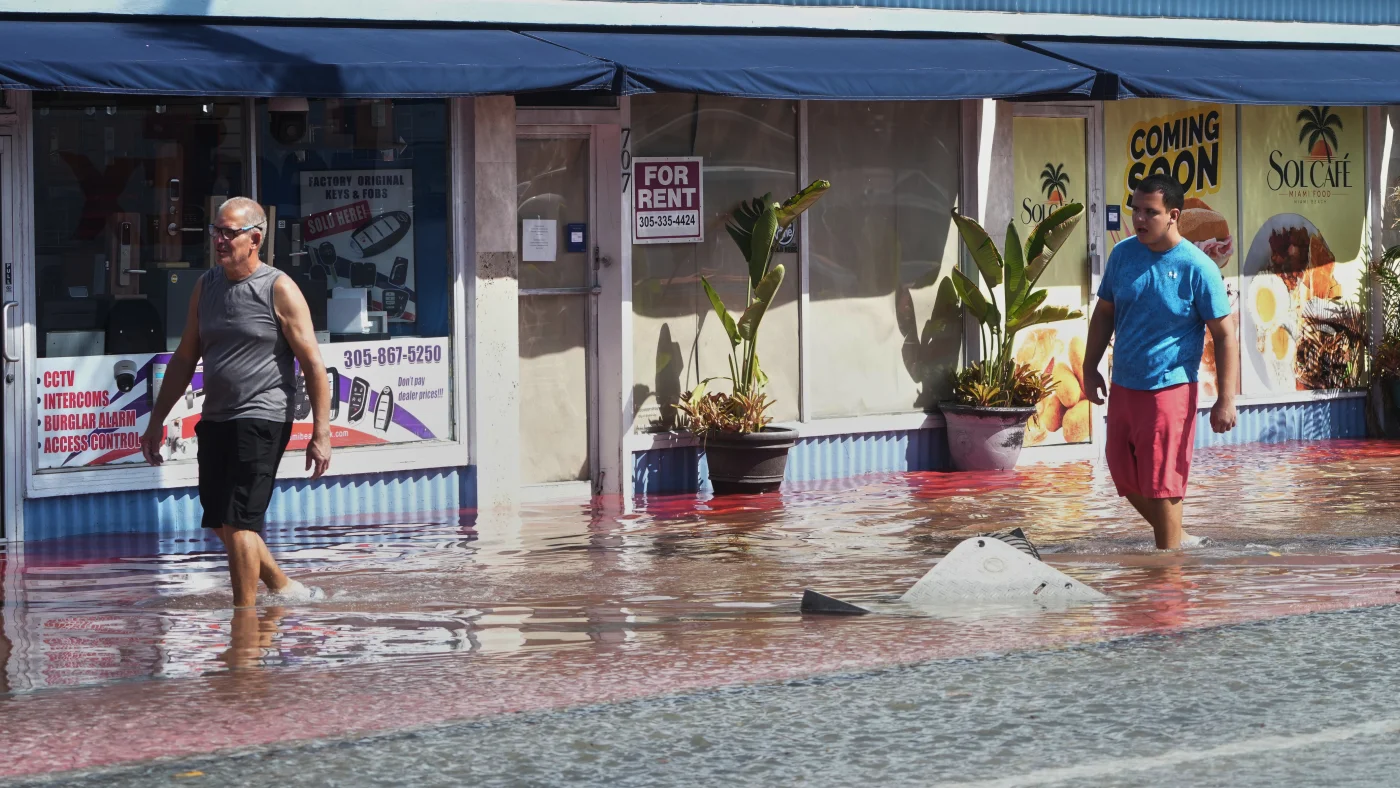
Winter Weather Forecast: The Influence of ‘Super El Niño’
This winter, the United States is bracing for a significant climate phenomenon known as a “Super El Niño,” which is expected to bring warmer and wetter conditions in many regions. The National Oceanic and Atmospheric Administration (NOAA) has projected that this year’s El Niño could be among the strongest on record, fundamentally altering weather patterns nationwide.
Temperature and Precipitation Outlook
According to NOAA’s latest forecasts, warmer-than-average temperatures are anticipated across much of the continental U.S. Furthermore, several areas will likely experience above-average precipitation. El Niño, characterized by warmer ocean temperatures in the Pacific, typically influences weather across the globe by reshaping rainfall patterns.
- Coastal flooding risks are heightened on the East Coast and West Coast.
- Cities are encouraged to prepare for these changes and allocate necessary resources.
“These seasonal predictions are key to helping you prepare and giving you a heads up to assess all the risks and how to mitigate them,” explained Ken Graham, director of NOAA’s National Weather Service. “Earlier and better decisions save lives.”
Understanding El Niño
El Niño represents a natural cycle originating in the tropical Pacific Ocean, marked by significant warming of eastern Pacific waters. This year’s event is pegged as particularly impactful, with climate scientists likening its effects to that of a “Godzilla,” emphasizing its vast reach and potential consequences on global weather.
Josh Willis, a climate scientist from NASA’s Jet Propulsion Laboratory, described El Niño’s effects vividly: “It rises up out of the ocean like Godzilla, and it breathes fire on Indonesia and Southeast Asia: they’re having severe drought and major wildfires.” He further noted how it creates conditions for hurricanes and storms in the Pacific region, affecting areas far beyond its origin.
Region-Specific Weather Impacts
West Coast
Residents of the West Coast, particularly California, can expect warmer temperatures and above-average rainfall. Notably, a Kelvin wave has already shown its influence by raising sea levels, which may contribute to increased flooding risks along the coast. Areas from Northern California to Southern California may experience notable snowfall as well.
Pacific Northwest
While warmer temperatures are also anticipated in the Pacific Northwest, parts of this region may receive below-average precipitation, particularly affecting snowpack levels. This lack of cold weather may lead to dryer conditions, exacerbating existing drought challenges.
Southwest United States
The Southwest has already witnessed the onset of wetter conditions this winter, with severe flooding reported in areas like the Four Corners region. While the increased precipitation is welcomed, experts warn it does not remedy the significant long-term drought affecting the Colorado River basin. Daniel Swain from the University of California highlighted that the recent exceptional thunderstorms have been spurred by moisture linked to El Niño.
Northeast and Mid-Atlantic
In the Northeastern United States, forecasts suggest warmer temperatures coupled with above-normal precipitation. El Niño could strengthen nor’easters, causing more frequent storms and increasing the likelihood of coastal erosion. Historical data from the last strong El Niño event in 2016 underscored the potential for significant snow accumulation in this region.
Southern U.S. and Tornado Risks
The southern U.S. is positioned for above-average precipitation, with Florida expected to see excessive rainfall which could lead to flooding in areas typically unaccustomed to such events. However, it is essential to note that tornado risks often rise during El Niño years, as seen in 1998, when Central Florida suffered a deadly tornado outbreak.
Midwest Weather Patterns
The Midwest is projected to experience a decrease in snowfall, particularly across the Upper Midwest, due to warmer temperatures. Several states, including Michigan and Indiana, are likely to encounter drier conditions this winter, perpetuating concerns regarding drought severity.
Conclusion
As the U.S. heads into winter with the impending impact of this “Super El Niño,” preparedness becomes crucial. While the phenomenon promises opportunities for beneficial rainfall in some areas, it also brings heightened risks of flooding, drought persistence, and severe weather events. Staying informed through NOAA’s ongoing forecasts will assist communities in navigating the challenges posed by this complex climatic occurrence.
