


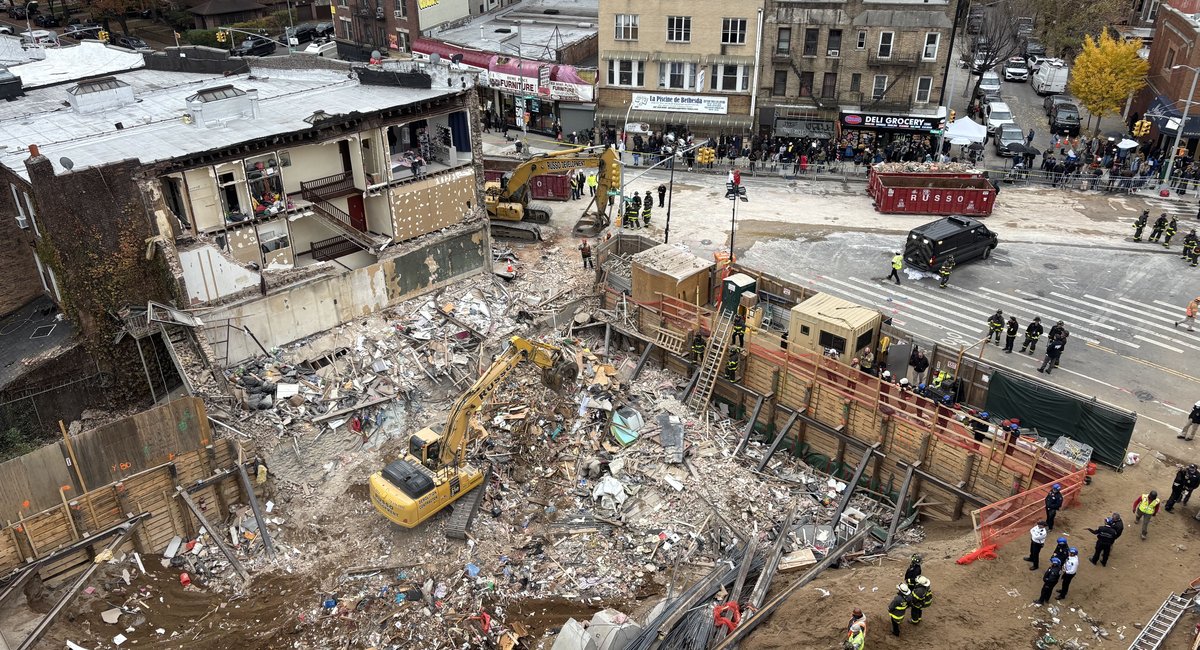
Analysis of Brooklyn Apartment Collapse: Safety and Structural Oversight
The tragic collapse of an apartment building in Brooklyn has raised serious concerns regarding safety measures in construction practices. City-approved excavation plans did not mandate additional structural support for the adjacent building, a decision that has come under scrutiny following the disaster.
Details of the Excavation Plans
According to building records, the excavation plans outlined a method for cutting into the soil at a 45-degree angle, reaching a depth of approximately 15 feet. This approach did not require the installation of steel bracing, known as rakers, which were mandated for surrounding buildings at the construction site.
The Aftermath of the Collapse
The incident resulted in the deaths of eight individuals and left 18 others injured. Records indicate that the development team had previously disregarded a stop-work order earlier in the year, further complicating the narrative surrounding the incident. This lack of adherence to safety protocols has prompted an investigation into the construction practices and decisions made by the involved parties.
Expert Perspectives on Structural Safety
Three independent structural engineers, upon reviewing the excavation plans, expressed disbelief that the city’s building department approved the project without additional supports. Abi Agheyere, a structural engineer and a professor at Drexel University, remarked, “That’s a recipe for disaster. You have to have shoring.”
Agheyere emphasized the necessity of extra precautions due to the 94-year-old building’s age and its location on a rubble foundation, factors that increase the risk during excavation. Supporting this claim, a preconstruction report by the engineering firm Quiver League noted the poor condition of the adjacent building’s facade, which exhibited visible cracks.
Responsibility and Investigation
Andrew Rudansky, a spokesperson for the Department of Buildings (DOB), stated that the approved support strategy aligns with standard industry practices, claiming that similar designs have been executed safely across the city for many years. However, critics argue that the lack of necessary supports underlines a systemic safety issue in construction oversight.
Investigators from the DOB, alongside the Department of Investigation and the Brooklyn District Attorney’s Office, have launched a comprehensive review of the incident. This inquiry also involves additional inspections at other construction sites associated with the same contractors.
The Role of Project Engineers
Jieming Wang, the project engineer from LMW Engineering, is tasked with confirming the plans’ safety before they are submitted for approval. According to Rudansky, a thorough plan examination was completed, and the designs were deemed compliant with existing city regulations. However, concerns persist regarding the integrity of the excavation methods used.
Potential Design Changes and Safety Measures
In the wake of the catastrophe, it has been speculated that the construction crews might have altered their design strategy to accommodate plans for a larger nine-story building than was originally approved. Paul Capurso, Executive Secretary-Treasurer of the Carpenter’s Union, raised concerns about potentially inadequate preparations, suggesting that deeper excavations than necessary could have compromised the building’s stability.
Concerning Precedents
Rudansky noted that the section of the collapsed structure was uniquely positioned as the only area without required supports in the engineering plans. Structural experts like Eugene Gurevich pointed out that while steel reinforcements aren’t always necessary if done correctly, the failure to properly address potential risks leaves room for catastrophic failures.
Conclusion
The collapse of the Brooklyn apartment building underscores critical issues in construction oversight and safety practices. As investigations continue, the focus on comprehensive reviews and adherence to building regulations is paramount to prevent similar tragedies in the future.
