


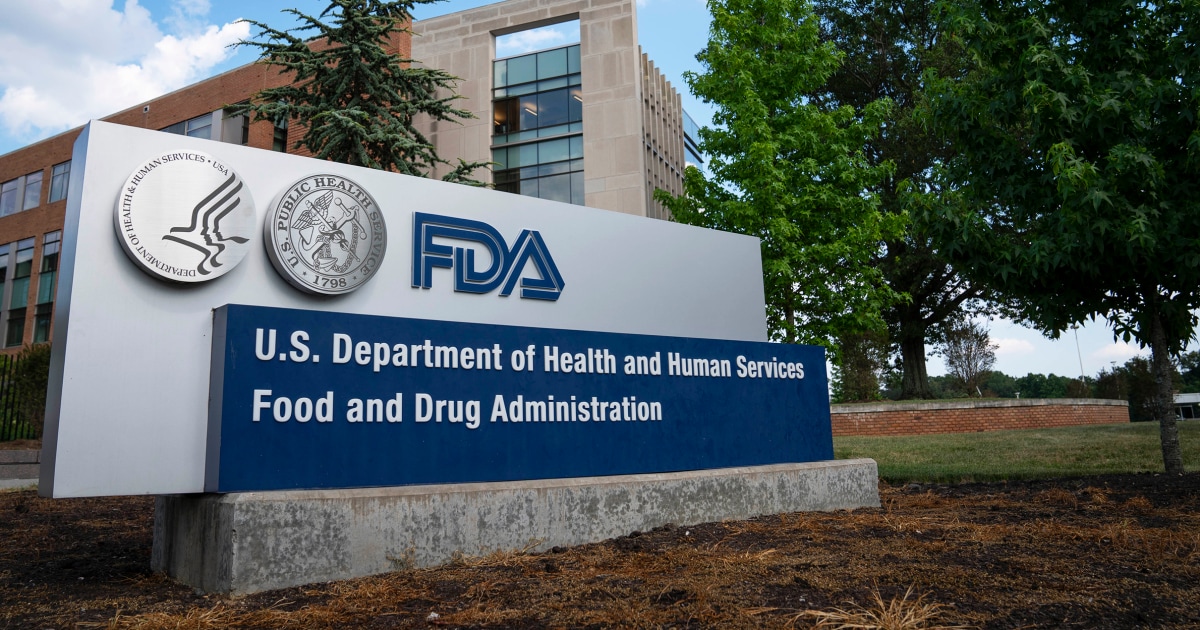
FDA Mandates Warning for GLP-1 Drugs Due to Rare Eye Condition
On Monday, the Food and Drug Administration (FDA) announced a new requirement for pharmaceutical companies producing GLP-1 medications: they must include a warning label about a seldom occurring, yet serious eye condition associated with these drugs. This directive affects popular weight management and diabetes medications including Novo Nordisk’s Ozempic and Wegovy, as well as Eli Lilly’s Mounjaro and Zepbound, among others.
Understanding NAION
The eye condition in question is known as nonarteritic anterior ischemic optic neuropathy (NAION). This condition affects the optic nerve—the pathway that transmits visual signals from the eye to the brain. NAION arises when blood flow to this nerve is diminished or obstructed, potentially leading to abrupt vision loss. Unfortunately, this damage is typically irreversible, and currently, there are no established treatments available.
Link Between GLP-1 Medications and NAION
The FDA’s requirement stems from ongoing concerns that extended use of GLP-1 drugs may amplify the risk of developing NAION. Previous studies, such as one published in JAMA Ophthalmology in 2024, indicated that diabetes patients using semaglutide had a fourfold increase in the likelihood of experiencing NAION compared to those not taking the medication. Following this, the FDA conducted a thorough review of adverse reports and clinical trial data concerning GLP-1 medications, ultimately determining a potential risk linked to all currently marketed drugs in this class.
Unique Risk Factors
The risk for NAION is heightened in individuals with overlapping health conditions often associated with those who are prescribed GLP-1 drugs—these include Type 2 diabetes, obesity, sleep apnea, and high blood pressure. While the condition itself remains rare, understanding these intersecting factors is pivotal for healthcare providers and patients alike.
Expert Recommendations
Dr. Manjot Gill, an ophthalmologist at Northwestern Medicine in Chicago, suggested that the FDA’s decision to enforce a warning label is a prudent step toward public awareness. However, she reassured patients that while there may be an increased risk, the occurrence of NAION remains quite uncommon.
“We don’t want patients to really get overly concerned and anxious and to stop these medications,” Dr. Gill noted. “It’s fine to issue this warning more so for public awareness so that patients, should they experience any kind of change in vision, do seek the care of an eye provider.”
Current Warnings on GLP-1 Drug Labels
In addition to the new NAION warning, the labels for GLP-1 medications already include various disclaimers regarding other potential side effects, such as pancreatitis, gallbladder issues, kidney injury, and a black box warning related to the risk of thyroid tumors. This underscores the importance of being well-informed about the medications prescribed to patients.
The FDA advises both patients and healthcare professionals to remain vigilant regarding any visual changes experienced while on these medications. The recognition of potential side effects is a vital part of ensuring patient safety and effective treatment.
