


Sanford, Florida, Adjusts Budget Following Property Tax Cuts
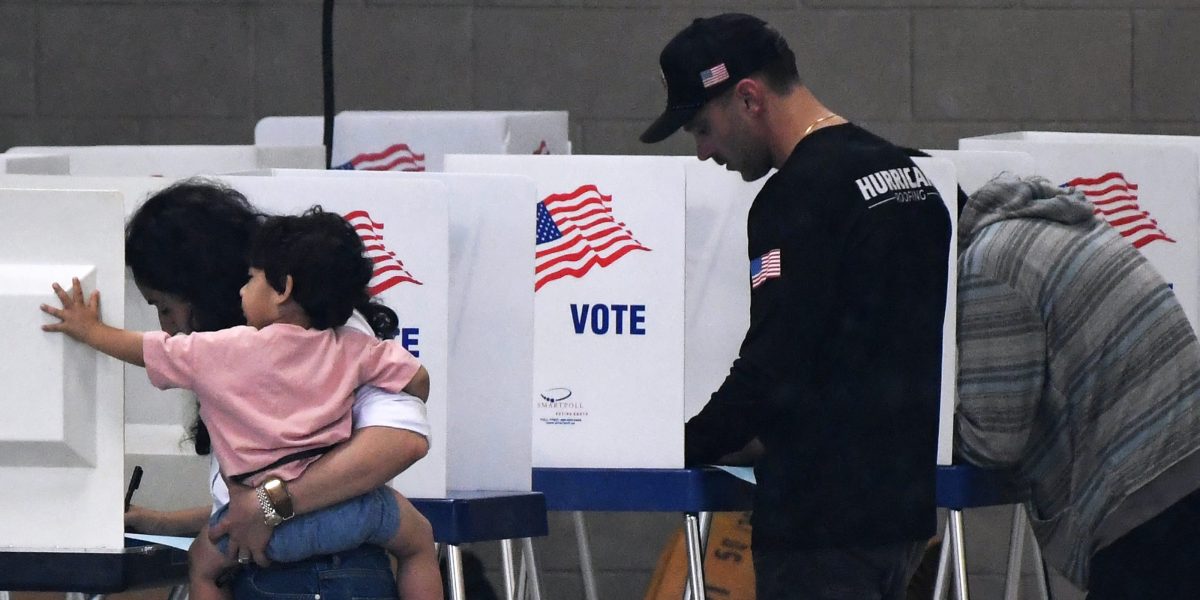
In the wake of recent midterm elections where Florida voters approved significant property tax reductions, officials in Sanford are strategizing to address the anticipated revenue deficits. This initiative follows the passage of Amendment 3, which will increase the homestead exemption for non-school property taxes to $150,000 in 2027 and further to $250,000 in 2028.
Impact of Amendment 3 on Local Revenues
The Florida TaxWatch has projected that this amendment could lead to a substantial decrease in local government revenue, estimating a reduction of approximately $4.9 billion in the first fiscal year and totaling around $45.8 billion over a five-year period.
For Sanford, located northeast of Orlando, this translates to an expected loss of around $15 million in property tax revenue over the next two years, representing roughly an 18% shortfall in the city’s budget.
City Budget Strategies
Amid these financial challenges, Sanford city commissioners have begun considering significant budgetary adjustments. Recent discussions highlighted potential cuts to travel expenses for meetings, reductions in public arts funding, and the introduction of early retirement incentives reminiscent of measures adopted during the Great Recession.
Public Sentiment and Additional Fees
As cities grapple with the implications of reduced property tax revenues, the idea of imposing new fees has gained traction. In particular, Sanford city officials are contemplating a fire assessment fee that would be levied on property owners, both residential and commercial, to fund fire services. However, Commissioner Patrick Austin acknowledged that such a fee would likely face public opposition, stating, “The voters have said we want less fees, and if we come back and go, ‘We want to do this fire fee,’ we are going to be really, really hated.”
Similar Trends Across Florida
Sanford is not alone in facing these budgetary hurdles. Nearby Oakland, Florida, is also preparing for potential new assessments to support fire protection and stormwater management in light of projected property tax losses of around $820,000 by fiscal 2028.
Former Florida State Senator Jeff Brandes has commented on the broader implications of Amendment 3, predicting a possible increase in statewide sales tax as a compensatory measure to counterbalance local government losses. He likened the situation to California’s Proposition 13, which led to a substantial shift in local government funding dynamics.
